

Sustainability
Sustainability is a concrete reality at Caritas Switzerland. It is the basis for all projects and the way Caritas operates. Embedding sustainability in the daily work is a constantly evolving process. Caritas Switzerland has a sustainability strategy in which it is committed to ecological, economic and social issues. In this way, it contributes to the sustainable development of the 2030 Agenda.
Climate protection and poverty reduction are inextricably linked. With this in mind, Caritas Switzerland works both operationally and politically towards the goals of the 2030 Agenda and climate justice:
In International Cooperation, Caritas Switzerland attaches great importance to combating the consequences of the climate crisis. To this end, it cooperates with national and international research institutions, with international and local partners, private businesses and multinational donors.
At the political level, it makes a substantial contribution to the positioning of Caritas Switzerland on the climate theme and, through its political public relations work, influences opinion-forming and decision-making processes at national and cantonal level.
Caritas Switzerland is convinced that the challenges of sustainable development can only be effectively tackled through strong cooperation. It therefore works closely with actors of civil society but also cultivates relations with the federal government and government agencies abroad, research institutes and economic actors at the local, regional and national level. In doing so, we want to assume our responsibility and make our contribution to achieving the goals of the 2030 Agenda and a world of climate justice.

The regularly conducted CO2 balancing at all Caritas Switzerland’s locations at home and abroad enables a hotspot analysis and forms the basis for planning and monitoring the reduction path. In addition, emissions can be offset via an internal climate fund. The funds generated from this are invested in selected Caritas projects with a specific focus on sustainability.
Caritas Switzerland regularly makes its employees aware of these issues, for example in terms of mobility. They are encouraged to use public transport for their journey to work, and business trips are restricted to a minimum.
Wherever possible, digital communication channels are used for the project work in order to avoid travel. In international cooperation, local journalists illustrate the projects. At internal events and functions involving the public and donors, aperitifs and food are exclusively vegetarian. Caritas Switzerland insists on the most efficient energy use in its buildings and promotes green electricity. In addition, green IT and digitisation measures for all employees are constantly progressing.
In addition to the cost-effectiveness of its projects, Caritas gives priority to local procurement and local public contracts. Caritas Switzerland seeks to deploy its funds efficiently and is transparent in the information it provides about the work done, about structures as well as the source, use and impact of the resources used. Its investment policy is based on ecological and ethical standards; sustainability criteria are also applied in the administration of the pension fund.
On the one hand, Caritas is engaged in projects and activities directly for the benefit of disadvantaged people and those living in poverty in Switzerland and abroad. On the other hand, it draws attention, with its information and awareness-raising work and political lobbying, to existing deficiencies, challenges and injustices and campaigns in public and at the political level for a just social, migration and development policy.
In terms of working conditions, Caritas attaches particular importance to equal pay, opportunities for part-time work and home working, broad training and further education opportunities as well as company health management. It is also committed to vocational training and offers integrative job opportunities. Caritas also acts as a socially responsible partner towards the staff association.
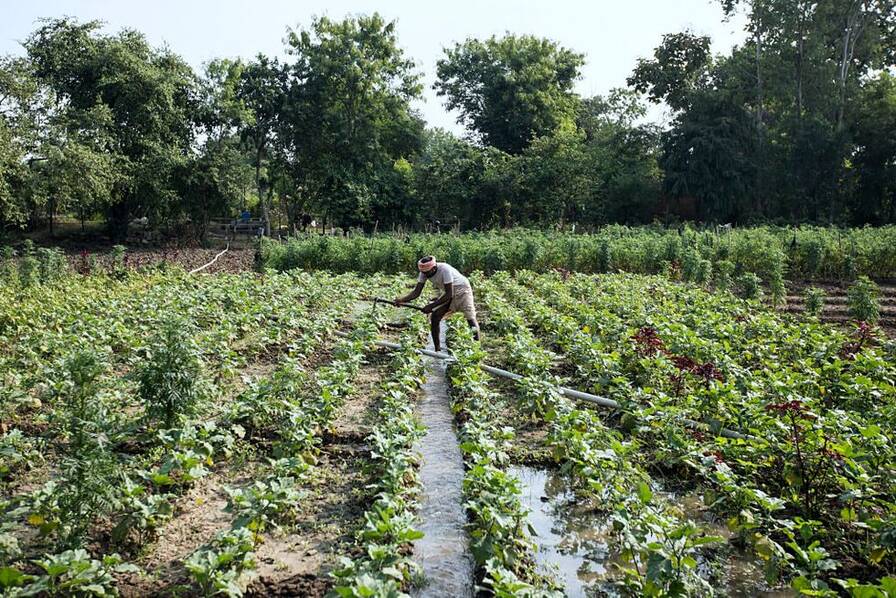
Caritas’ projects in Switzerland and abroad contribute to sustainable development. In the countries of the Global South affected by poverty, Caritas Switzerland promotes sustainable farming methods and types of energy. In Switzerland, too, it promotes sustainability, for example with the Clothing Centre, in the youngCaritas project Fair Camp and with various integration projects. Caritas Switzerland is keen to continuously improve its engagement in favour of sustainability.
Current sustainability strategy

Sustainability Strategy 2030
Abridged version
Download (pdf, 398.41 KB)More Information
Contact


Maria Claudelin
Sustainability ManagerAdligenswilerstrasse 15
P.O. Box
CH-6002 Lucerne
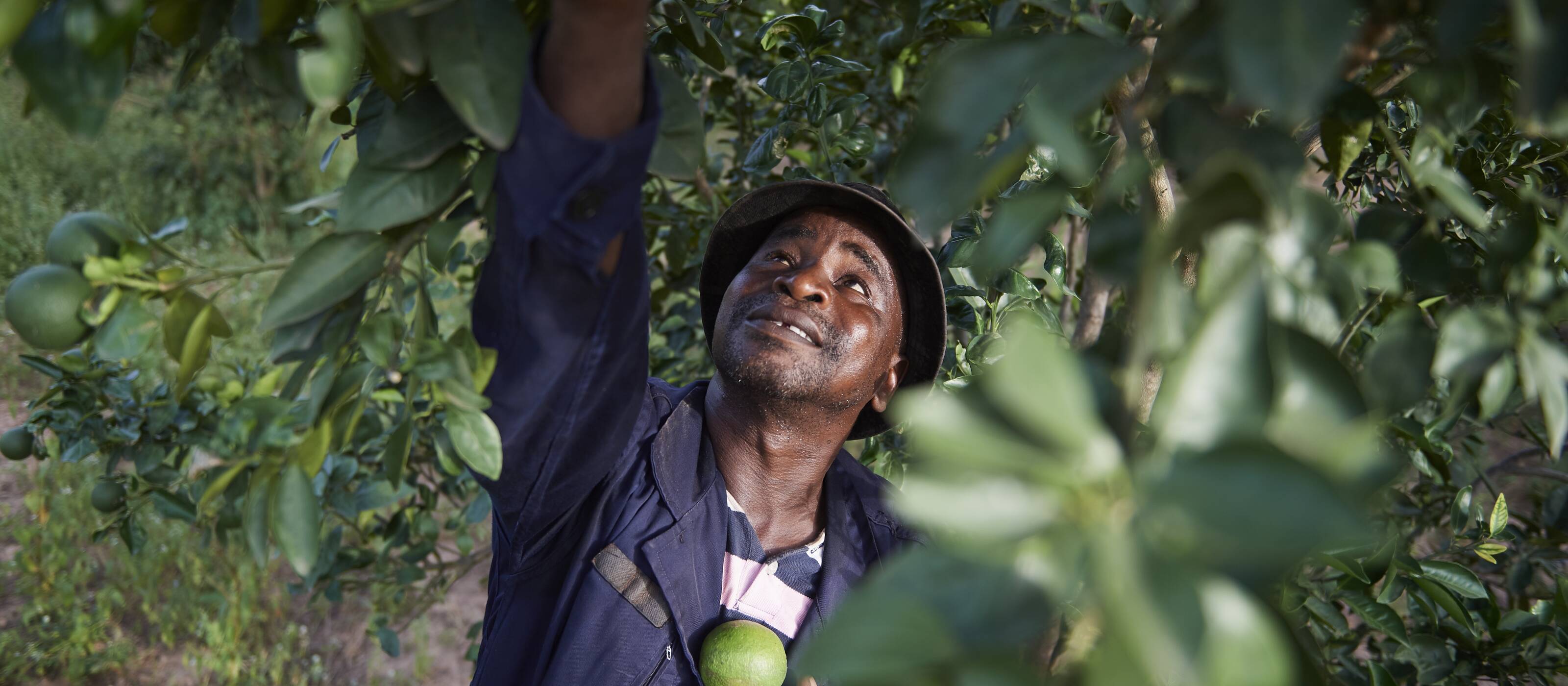
Header image: Increase in resilience to the impacts of climate change thanks to diversity and adaptation of agricultural practices in Mali. © Fabian Biasio