Water and help to combat malnourishment for the people in South Sudanfinished
Project in detail
A devastating combination of drought, years of political unrest and armed conflict plunged South Sudan into a humanitarian and economic crisis. Today, more than half the population is affected by an acute food shortage. Moreover, there is a lack of sufficient access to clean water everywhere. Caritas improves livelihoods in the rural areas in the country’s south.
After decades of war with Sudan, South Sudan gained independence in 2011. But even after that, there was no peace. The young nation descended into an armed internal conflict along ethnic lines, in which the defenceless civilian population also suffered massively. Even though a new peace treaty was signed in September 2018, the situation is still far from stable.
Because of the devastating security situation, many farmers were afraid to cultivate their fields. The local markets remain empty due to the absence of harvests and political insecurity. The economic crisis and the loss of value of the South Sudanese pound have contributed to the fact that people cannot afford to buy food. More than half the population in the country, which suffers recurring droughts, do not have enough to eat. More than a million children under the age of five are malnourished.
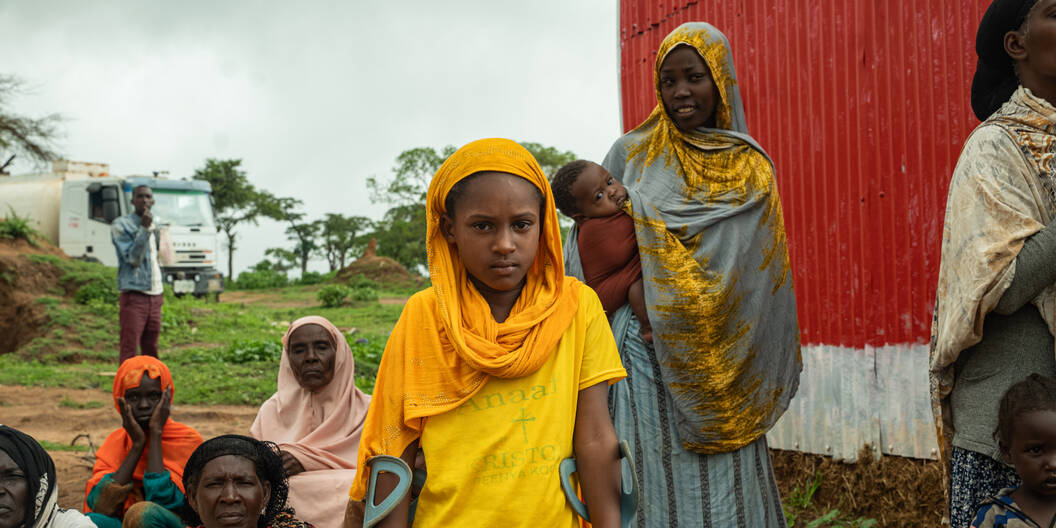
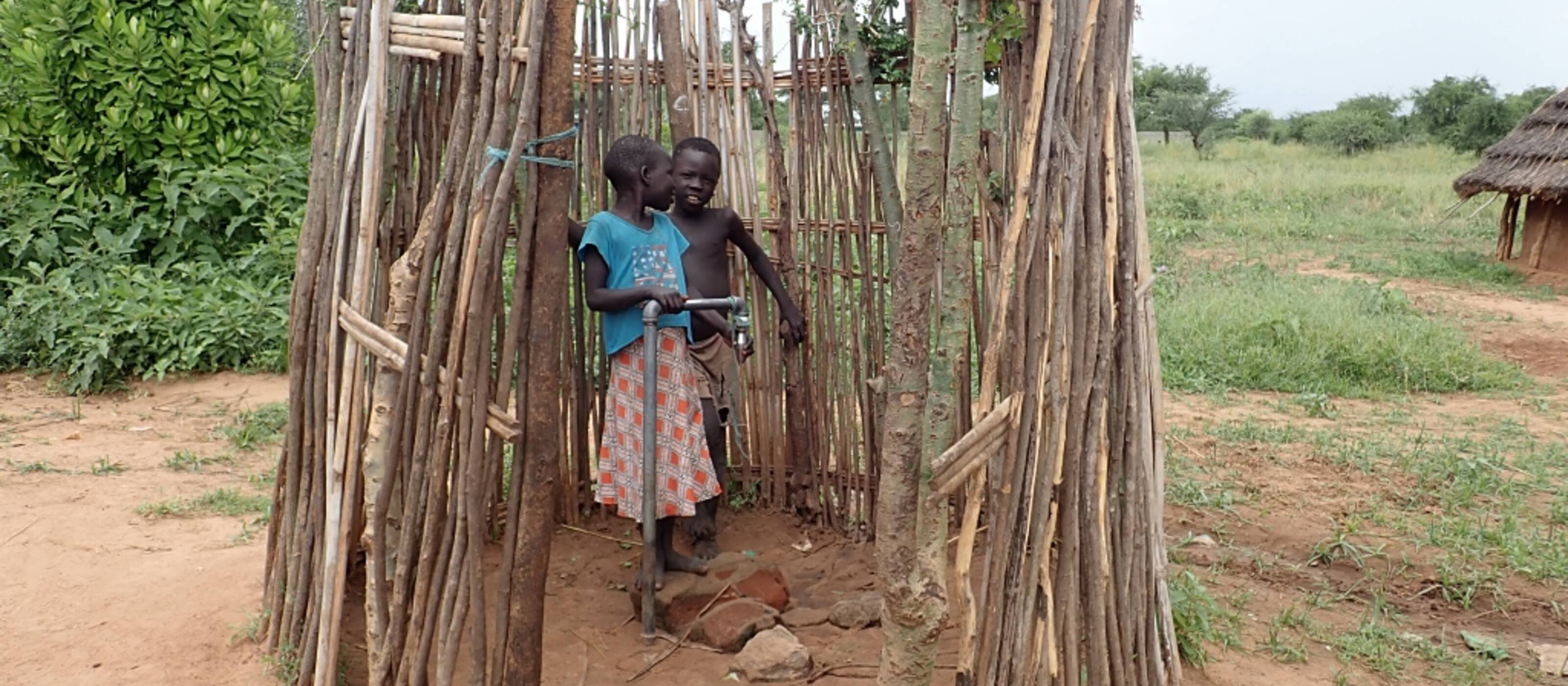
In addition, people have hardly any access to clean water. The stricken country is not economically capable of providing a functioning water supply. Many boreholes and water systems are obsolete and no longer function. Women in the rural areas have to walk 3-5 hours every day just to draw water from sinkholes and ponds. Children in particular suffer more often from life-threatening diarrhoea because they drink contaminated water.
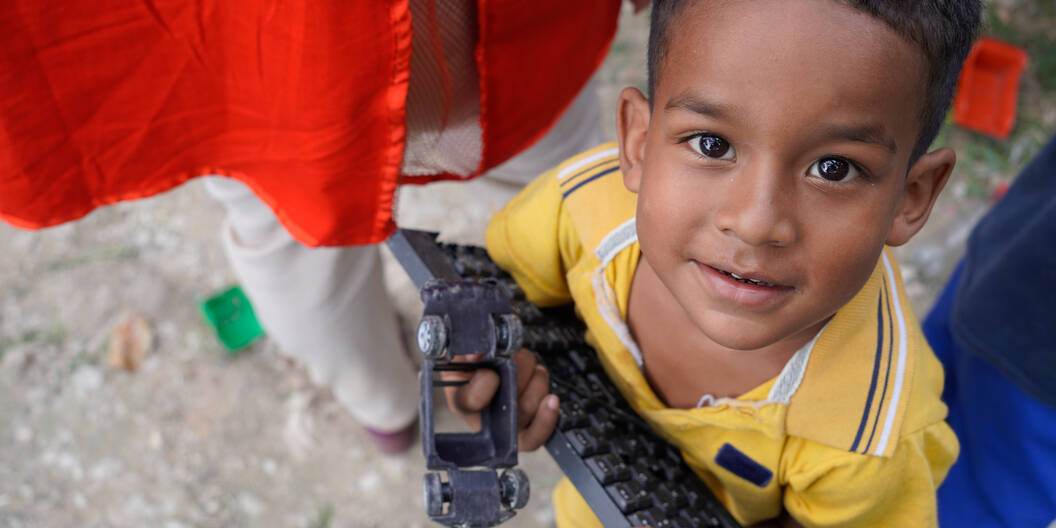
Children are still particularly at risk and in the project area, the Torit region in the south of the country, they are seriously affected by malnutrition and lack of access to water and hygiene. That is why Caritas’ focus is on children.
Caritas repairs no longer functioning water hand pumps and installs new solar pumps. In schools, it repairs and extends toilet and drinking water facilities. Hygiene training is integrated in the school curriculum so that the children learn how to prevent sickness with good hand hygiene.
In order to combat malnutrition in children, volunteers regularly visit young children and record signs of malnutrition. They admit children with severe acute malnutrition to hospital or take other steps to ensure that the children get the appropriate treatment. Young children affected by moderate acute malnutrition are helped with dietary supplements.
Caritas supports mothers in creating vegetable gardens and distributes seedlings. The mothers learn to plant and harvest vitamin-rich vegetable varieties, prepare them correctly and give their children healthy food. To give the children direct experience about sustainable cultivation methods and knowledge about nutrition, gardens are created in 14 schools and coniferous and fruit trees are planted.
Fact and figure
4'340'052 Swiss franks
South Sudan / Ikwotos in Torit State, Eastern Equatoria Region
Around 105'000 people in rural areas affected by food insecurity and water shortage
SDC