Using wetlands sustainably and improving food securityfinished
Project in detail
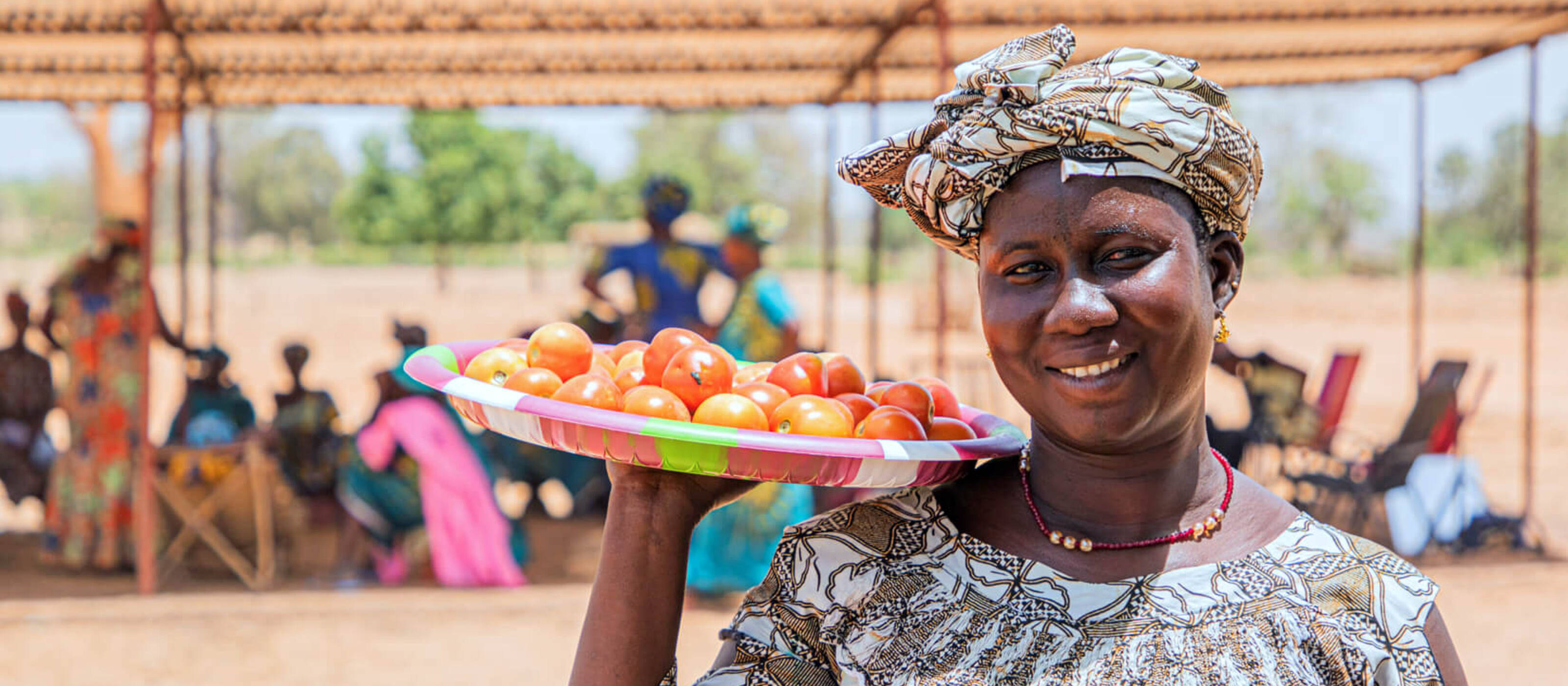
Lake Wegnia in Mali was a source of life for thousands of people. Now it is slowly drying out, accelerated by climate change – and is causing existential hardship for people and nature. Fishermen no longer have work, the grain silos are increasingly empty because the fields cannot be irrigated. Together with Caritas, the villages are creating new income sources and learn how to care for the lake and adapt to climate change.
Both in the Sahel zone and in the Horn of Africa, ensuring food security is one of the key challenges in the fight against poverty and the development of the entire region. The population is particularly hard hit by changing climatic conditions. Climate fluctuations, combined with intensive and inefficient use of water for agriculture, lead to water scarcity and jeopardise food security in the entire region. According to UNHCR (2015), more than 20 million people do not have food security.
In 2018 , Mali was ranked 182 out of 189 according to the Human Development Index of the United Nations Development Programme (UNDP) and is thus one of the world’s poorest countries. An estimated 50% of the population live below the poverty threshold. More than 60% of the working population work in the primary sector and are thus directly affected by changing climatic conditions. They have limited access to appropriate agricultural advice, which makes adaptation of water usage and cultivation methods to changing conditions more difficult.
In recent years, many projects focused on productivity increases through industrial irrigation systems for cultivable land in arid regions. Such systems are based on intact lakes and wetlands, which have now become unbalanced due to population growth and unregulated use of existing resources, exacerbated by climate change. This is what has happened in the project region around Lake Wegnia.
In order to survive, the small farming families must adapt to the new climatic conditions. Caritas supports the villagers around Lake Wegnia in this process: It provides access to drought-resistant seeds and informs the village community about climate-adapted cultivation methods. Thanks to efficient farming methods, the scarce water is used very sparingly. Dams are constructed to retain the moisture in the soil. Along the shores of the lake, the inhabitants have planted 57,000 trees in order to prevent any further erosion and silting up of the lake.
Technical support on the ground is important: Caritas assists in the development and implementation of the local development and water usage plan. The lake must be saved – it is the precondition for securing the livelihood of the inhabitants. There are solutions for preserving the lake: Reforestation, measures to protect the shores, climate-adapted species, crop rotation, adaptation of cultivation methods and establishment of protected forest areas.
The villagers are now very aware of the importance of the lake and its surrounding area for their livelihood and try to care for their natural environment through adapted cultivation methods. They can improve their income – and find ways of living with climate change.

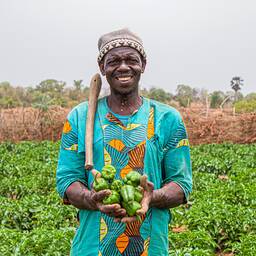
«We have learned, for example, that a more generous spreading of the seeds on the land results in a considerable increase in the yield. There has been a real change in our lives. We now have enough to eat and are independent.»Modeste Traoré (57)vegetable and fruit farmer
Facts and figures
Climate
2'721'592 Swiss Francs
Mali, region Kolokani, Wegnia
6'000 direct and 32'000 indirect beneficiaries
Further projects Commitment to a world without poverty

This project is financed by:
- SDC