

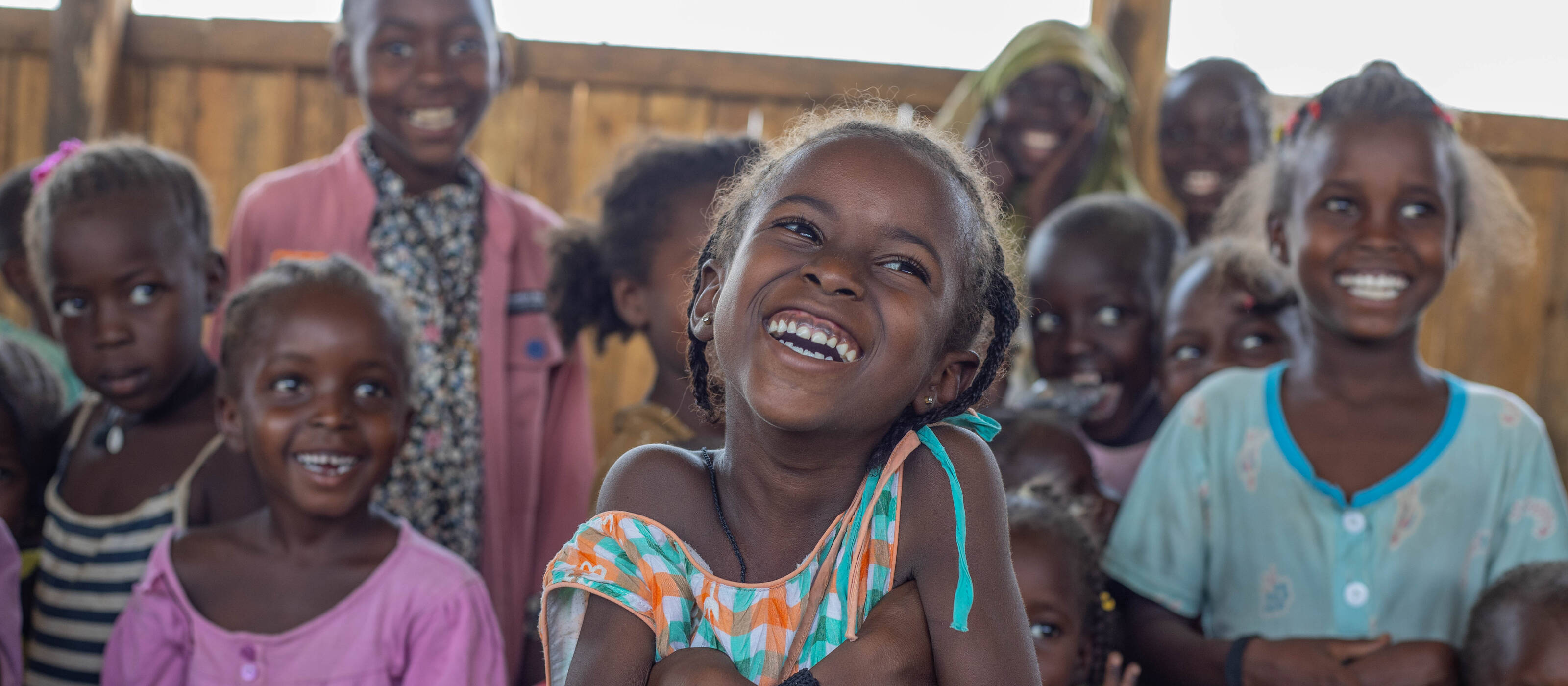
Project KAPCYM: Knowledge and Policy Dialogue Unit on Protection of Children and Youth on the Move
Through the systematic capture, documentation, synthesis, and dissemination of knowledge, lessons learned, and best practices from former projects as well as Swiss governmental actors, the KAPCYM Unit supports advocacy and policy dialogue efforts of Swiss stakeholders. Its outputs are aimed to extend to project implementation of the two mentioned projects, as well as to regional migration projects in other contexts, ensuring broader application of insights and strategies across various countries and regions facing similar challenges.
Overview
Migration, Child Protection
364'205 Swiss francs
01.11.2024 - 31.12.2026
East/West/North Africa (Egypt, Ethiopia, Guinea Conakry, Mali, Morocco, Niger, Sudan, Tunisia)
The projects «Enfants et Jeunes sur les Routes Migratoires d’Afrique de l’Ouest et du Nord (EJM)» and «East African Migration Routes (EAMR)», Swiss governmental stakeholders (SDC, SEM, embassies), and other Swiss actors working on the protection of children and youth on the move in the regions covered.
P240053
Swiss Agency for Development and Cooperation (SDC)
Thematic Briefs: Advocacy Messages
1 Access to Civil Registry, Identification, and Registration
Why
All children, regardless of their migration status, are entitled to the full protection of their rights under the Convention on the Rights of the Child (CRC).
Message
States have a responsibility to treat children on the move first and foremost as children – not as migrants. In line with the CRC principles of non-discrimination (Art. 2; also Art. 3 of the African Charter on the Rights and Welfare of the Child ACRWC) and the best interests of the child (Art. 3; Art. 4 ACRWC; also reinforced by the 2016 Recommended Principles to Guide Actions Concerning Children on the Move and Other Children Affected by Migration), they should ensure effective access to legal identity and nationality.
Unaccompanied and separated children are particularly vulnerable and require targeted protection measures in line with their best interests. States should ensure that unaccompanied and separated children are promptly identified and registered, have access to legal support and essential services, are provided with guardianship and reunited with their families at the earliest opportunity, ensuring the child’s best interests.
Good Practices
- Tunisia: In highly politically sensitive context where solidarity to migrants is at risk of being criminalized, local EJM partners are working in close partnership with governmental child protection delegates who remain good allies, emphasizing that “children are children before being migrants” and ensuring the best interests of the child take precedence.
- Mali: The EJM project established a good collaboration between with national authorities (e.g. the Border Police Directorate) and embassies/consulates of countries of origin in issuing travel documents such as laissez passer for voluntary returns and family reunification of CYM.
Why
Barriers in accessing civil registration systems violate fundamental rights and increase the vulnerability of CYM. The lack of documentation or a legal status limits their access to essential services such as education, healthcare, and protection.
Messages
All actors involved are encouraged to minimize the risks of status-based discrimination against CYM, recognizing that tying service access to official status violates the CRC and creates systemic barriers to inclusive protection and assistance.
National authorities are called to ensure that access to essential services – such as education, healthcare, and protection – is based on the vulnerability and needs of CYM, rather than on their documentation or legal status. Donor strategies and programming – developed in agreement with partner states – should explicitly recognize that vulnerability-based targeting must transcend documentation requirements, enabling projects to serve children and youth who meet vulnerability criteria regardless of their legal or administrative status. Girls and young women face particular vulnerabilities such as gender-based violence, unwanted pregnancies, and gender-based stigmatization that must be taken into account. Unaccompanied and separated children require special attention and support due to their lack of adult support and heightened exposure to protection risks, including trafficking, exploitation, and abuse.
Good Practices
- EJM and EAMR (regional): The EJM and EAMR projects both embed inclusivity and the primacy of the best interests of the child by enabling vulnerability-based participant selection, according to which participants are selected based on their vulnerabilities, irrespective of legal status – reflecting common humanitarian practice.
- Sudan: At the local level, the EAMR project supported seconded staff within government local services, who disseminate vulnerability-focused selection and prioritization approaches, placing needs above administrative status considerations.
- Egypt: Aligned with donor flexibility, the EAMR project has alternative ID verification procedures to ensure equitable access to services and inclusion of individuals without blue or yellow cards/status.
Why
The CRC guarantees all children the right to education (Art. 28), healthcare (Art. 24), and assistance in humanitarian emergencies (Art. 22 for refugee children), regardless of documentation status.
Most national legal frameworks also guarantee universal access to these services. However, in practice, lack of civil registration or documentation is often used to deny CYM access to these fundamental rights. The migration pathways of CYM are often marked by a lack of reliable information, a lack of awareness of the risks, and limited access to essential services. For these young people, who are poorly prepared, migration becomes a factor that exacerbates their vulnerability.
Education is not only a right but also a key enabler of long-term development it is reducing the risks linked to mobility, strengthening individual and collective resilience and influences a CYM’s ability to secure their livelihood, social inclusion, and participation in society. CYM also face significant health risks, including mental health challenges and gender-specific needs, both during displacement and in host communities. Girls and young women face additional health risks including reproductive health needs, pregnancy-related complications, sexually transmitted diseases, and gender-based violence that require immediate access to specialized services. In addition, while many interventions focus on children under 18, young adults (18+) often fall through the cracks of protection systems. The transition from childhood to adulthood is a critical period where access to documentation, education, vocational training, and legal identity is essential for autonomy, integration, and long-term inclusion. Without continued support, young adults risk exclusion, exploitation, and statelessness.
Messages
Access to basic services such as food, shelter, healthcare, and social assistance, but also education, is a fundamental human right that should be guaranteed for all children and youth, including those without documentation or legal status.
States are called to remove legal and practical barriers to inclusive education for CYM and ensure their integration into local school systems. This includes admitting children and youth without documentation or residence status, eliminating special school fees for migrant children, and paying particular attention to girls and young women in humanitarian and camp settings. Efforts should also address the disconnect between legal guarantees and implementation on the ground, including awareness-raising for education personnel about documentation exemptions in existing laws.
States should also ensure inclusive and free access to healthcare systems, including mental health and psychosocial support (MHPSS), and sexual and reproductive health services. It is important to take into account the particular needs of girls and young women (accessibility, female medical staff). Documentation should not be a barrier to accessing vaccinations, safe abortion, or emergency medical care.
States should recognize the specific needs of youth aged 18+ and ensure continuity of protection and support beyond childhood. This requires coordinated, cross-sectoral strategies that bridge child protection and youth development systems and avoid abrupt cut-offs in support at age 18. This could include, for example, the adoption of flexible measures – including amnesties – for those who have already reached adulthood without legal identity.
Good Practices
- Egypt: The EAMR project mobilized a legal consultant to help prevent the closure of three education facilities led by community actors where documentation status affects operations.
- Egypt: By working with community-led initiatives, the EAMR project can reach a wider range of project participants and can deliver most adequate services – irrespective of their (blue/yellow card) status.
- Egypt: Aligned with donor flexibility, the EAMR project has alternative ID verification procedures to ensure equitable access to services and inclusion of individuals without blue or yellow cards/status.
- Ethiopia: Through the EAMR project, advocacy with local authorities facilitated refugees’ and migrants’ access to
- skills training, work permits, and bank accounts. This enabled targeted refugee and migrant youth to engage in income-generating activities and strengthen their livelihood reintegration.
- EJM (regional): The EJM project organized a regional workshop in February 2025 in Conakry, bringing together educational supervisory staff from Mali, Niger, Guinea and Tunisia. Following a training-of-trainers approach, the workshop aimed to equip the supervisory staff with the necessary skills to support teachers in better understanding the needs of CYM, implementing inclusive classroom practices, offering basic psychosocial support, and encouraging greater participation by families and communities in the school environment.
- Mali: The EJM project advocated to lift the birth certificate requirement as a condition of school enrolment.
- Niger: EJM project partners advocated among local authorities to take into account the specific needs of CYM, particularly those in conflict with the law, in their five-year development plans, with the aim of enabling them to access basic social services, such as education and health.
- Tunisia: The EJM project engaged in bilateral discussions and negotiations at individual case level to support access to vaccination for newborns and abortions for young migrant women, especially GBV survivors, enabling access for those lacking documentation.
Why
Birth registration is not only a fundamental right enshrined in Article 7 of the CRC – but also a prerequisite for access to protection, education, and justice. Requirements such as the presence of both parents, short deadlines, documentation criteria, high fees or complex court procedures prevent the registration of newborns. This increases their future vulnerability to exploitation, abuse and human trafficking.
Messages
In line with SDG Target 16.9 – which calls upon states to ensure universal legal identity, including birth registration by 2030 – all states have a duty to guarantee that every child within their jurisdiction has access to legal identity from birth, regardless of whether they are in their country of origin or in a host country.
Restrictions such as deadlines, fees or other requirements must be lifted to ensure free, timely and comprehensive access to birth registration. Simplified procedures for late registration are encouraged. In addition, states should establish alternative registration systems for births occurring outside health facilities and remove requirements such as the physical presence of both parents. These steps are essential to reflect the realities of displacement, where single-parent households and out-of-facility births are common.
Good Practices
- Mali and Guinea: Awareness-raising activities by EJM partner NGOs and CSOs on the importance of civil documentation, in particular birth certificates, for the promotion of children’s rights.
- Mali: The EJM project supported NGOs for the establishment of supplementary judgments (judicial procedures allowing individuals to obtain civil status documents through a court ruling when the standard administrative process is no longer possible due to delay, loss, or lack of initial registration) for internally displaced children and youth.
- Tunisia: EJM project partner Médecins du Monde has been providing individual accompaniment and support to young mothers for the obtention of birth certificates, liaising with hospital and local municipalities representatives.
Why
The lack of legal frameworks, or the existence of discriminatory ones, especially for unaccompanied or separated children, young women and girls, refugees and asylum seekers, are a root cause of vulnerability for CYM. Legal exclusion and/or administrative obstacles from civil registration systems perpetuates risk of exploitation, invisibility and statelessness.
Requiring both parents to be present for birth registration disproportionately discriminate single parents, generally mothers, including rape survivors. Similarly, the obligation for both parents to provide valid identity documents overlooks the fact that many refugees have lost their documents or may face risks if they contact authorities from their country of origin. Non-recognition of births outside of medical facilities leads to children being left administratively invisible.
Messages
States are encouraged to adopt and implement inclusive and child-sensitive legal frameworks that ensure accessible, non-discriminatory registration processes for CYM, taking into account their specific needs and vulnerabilities. These should be monitored accordingly.
Where standard procedures cannot be met, alternative administrative pathways for unaccompanied or separated children and single-parent families should be established, allowing for flexible documentation requirements and safeguards.
Good Practices
- Guinea: Partners of the EJM project conducted advocacy efforts within the National Transitional Council for the integration of the specific needs of children and youth on the move into Guinea’s child protection code.
- Mali: The EJM project supported local NGOs for the establishment of supplementary judgments (judicial procedures allowing individuals to obtain civil status documents through a court ruling when the standard administrative process is no longer possible due to delay, loss, or lack of initial registration) for internally displaced children and youth.
- Mali: With support of the Swiss Cooperation (SDC), a Working Group on Civil Documentation and Legal Identity has been set up, which serves as a framework for advocacy and political dialogue in Mali and led to the adoption of derogatory procedures for access to civil documentation for IDPs (national identity card) and their children (birth certificate). The Working Group reports to the Protection Cluster in Mali, which is also supported by Switzerland.
- Morocco: The development of SOPs for migrant children – led by EJM’s partner SSI in partnership with UNICEF under a separate project – represents a good practice of participatory engagement. The process mobilized multidisciplinary actors, was shared with relevant ministries, and validated through a national seminar.
Why
Adequate resources are essential not only to maintain a civil registration system but also to ensure that vulnerable groups such as CYM can access it. Inconsistent implementation, lack of trained personnel, weak infrastructure, and poor inter-agency coordination create severe barriers to access civil registration and documentation – particularly in remote or conflict-affected areas. In resource-constrained settings, it is even more critical to use the limited resources efficiently to maximize impact.
Messages
States and partners are encouraged to ensure adequate funding for civil registration systems and to make targeted investments with a focus on strengthening capacities, enhancing coordination among agencies, and improving infrastructure.
States should invest in training officials and service providers on child-friendly registration procedures and international protection standards, with particular attention to staff who may encounter unaccompanied and separated children and girls, who often face additional risks and challenges. Governments are called to collaborate across borders, with regional bodies and CSOs to share and establish best practices such as digital, decentralized and compatible solutions. Innovative and cost-effective solutions such as community-based approaches, developed and rolled out notably by host and migrant/refugee communities’ groups including youth themselves, should be leveraged to ensure access to documentation of CYM.
Good Practices
- EJM and EAMR (regional): Both projects EJM and EAMR integrated capacity-building activities into their interventions.
- Ethiopia: The EAMR project supported the government adoption and operationalization of CPIMS+ (Child Protection Information Management System Plus) and the CPIMS+ database at district and national levels, including the provision of the necessary equipment for its implementation to local actors. Coordinated by different UN organizations and NGOs and implemented in several countries across the globe, CPIMS+ is a digital registration system that provides global standards for the registration of vulnerable children, enhances documentation processes, and improves case management.
- Niger: The EJM project conducts case management via the SPMS+ platform or through referrals between various protection players, facilitating CYM’s access to basic social services, including legal assistance. SPMS+ is a platform run by the Nigerien government with technical support from UNICEF, and includes demographic information. The platform is run by various stakeholders, including EJM partners.
Why
Children without legal identity, particularly those unaccompanied or separated, are at heightened risk of exploitation, abuse, and trafficking, for example by criminal groups. In conflict-affected countries, the absence of verifiable age records increases children’s vulnerability to recruitment by armed forces and groups. In some countries, CYM, particularly those without documentation, are at risk of being detained and sometimes labeled as “terrorists” solely due to their migration status and their lack of documentation. Detaining or criminalizing children based on their migration status is a violation of international law, including CRC. CYM cannot file formal complaints, access legal aid, or present themselves before courts. This leaves them unprotected if they become victims of crime or legal violation. Girls are particularly vulnerable to gender-based violence, sexual exploitation, and trafficking by smuggler networks. Unaccompanied and separated children face even greater protection risks due to the absence of adult care and are often overlooked in migration procedures, leaving them disproportionately exposed to exploitation, abuse, and arbitrary detention.
Messages
States must put child safeguarding at the heart of their migration governance. They are encouraged to strengthen child protection systems and ensure that legal safeguards are in place: While registration provides vital data on CYM’s identity, location, and personal situation to support appropriate protection responses, strong safeguards around confidentiality and data use are necessary, so that administrative and protection functions are clearly separated from security or migration control objectives.
States are called to prohibit the detention of children and young migrants based on migration status and to adopt child protection-oriented alternatives. If detained and/or convicted, CYM – independent of their documentation status – should have access to child-sensitive facilities, justice systems and legal safeguards. Justice sector protocols for children without documentation ensure they can report crimes, access legal aid, and benefit from age-appropriate procedures. Particularly unaccompanied and separated children require specific procedures, support structures, and guardianship arrangements responding to their needs and vulnerabilities.
Girls and young women need gender-sensitive protection measures that recognize the heightened risks they face throughout the migration journey, including sexual and gender-based violence, exploitation, early and forced marriage, unwanted pregnancies, stigma, and barriers to accessing services such as education and health care. Gender-specific safeguarding responses should be designed to address these risks, ensuring that girls on the move are not only protected from harm but also empowered to claim their rights. Female police officers often lower the threshold to report sensitive cases such as sexual abuse or exploitation, which might otherwise go unreported. If detained, girls should have access to menstrual hygiene products and sexual and reproductive health services, and separate facilities from adults and boys.
Good Practices
- Egypt: For undocumented children, the EAMR project has put mitigation measures in place including cash and support for temporary documentation and deployment of community mentors to accompany procedures. EAMR has trained local partners to have committees in place with case managers providing support, notably cash, to undocumented children.
- Ethiopia: The EAMR project supported the government adoption and operationalization of CPIMS+ (Child Protection Information Management System Plus) and the CPIMS+ database at district and national levels, including the provision of the necessary equipment for its implementation to local actors. Coordinated by different UN organizations and NGOs and implemented in several countries across the globe, CPIMS+ is a digital registration system that provides global standards for the registration of vulnerable children, enhances documentation processes, and improves case management.
- Morocco: Through the EJM project, local pilots are supported. In Oujda, the engagement of the Procureur du Roi has been key in providing legitimation cards that grant CYM access to services and protect them from arbitrary arrest or detention.
- Morocco: EJM partner organizations, in particular as part of their individual case management work, have accompanied children and youth in obtaining consular documentation and/or in registering as asylum seekers with UNHCR. Having UNHCR asylum seeker registration documents allows for easier access to essential services.
- Tunisia: “Children are children before being migrants”: the best interests of the child must count. The EJM project invites local institutional organizations to meet and discuss opportunities – working locally on a more inclusive environment, promoting good practices and inclusive practices, but discreetly due to the political context and criminalization.
Why
Without legal identity, CYM are de facto invisible. A lack of civil documentation of CYM – whether due to access limitation in the host country or missing birth registration – increases the risk of trafficking, exploitation, recruitment by armed groups, statelessness, and disappearance. Also false/ fraudulent identity as a poor adaptation strategy to age restrictions or movement constraints undermines their traceability and increases the risk of going missing.
Messages
States should ensure that every child is registered and documented – regardless of status or location – by providing free and low-threshold registration opportunities.
When children and youth are documented early, greater resources can be dedicated to the reintegration phase rather than administrative procedures like accessing civil registries or obtaining travel authorizations. Effective registration systems also support sustainable return and reintegration processes. These include e.g. digital systems, simplified judicial procedures, as well as good cooperation with local and refugee-led organizations. In cases where children and youth have resorted to identity fraud, states should consider amnesties that allow for regularization without punishment.
Good Practices
- Ethiopia: The EAMR project supported the government adoption and operationalization of CPIMS+ (Child Protection Information Management System Plus) and the CPIMS+ database at district and national levels, including the provision of the necessary equipment for its implementation to local actors. Coordinated by different UN organizations and NGOs and implemented in several countries across the globe, CPIMS+ is a digital registration system that provides global standards for the registration of vulnerable children, enhances documentation processes, and improves case management.
- EJM (regional): Drawing on the experience of the EJM partner SSI-AO, the RAO (West Africa Network for Child Protection, a regional mechanism for coordination, transnational case management and improvement of the quality of services for CYM) makes sure that vulnerable EJM who crossed borders between two or more countries receive transnational care. For this, the RAO has harmonized tools such as the ECOWAS Manual of Care Procedures and Standards for the Protection and Reintegration of CYM, a regional computerized database (CaseData), and harmonized information collection forms. SSI-AO provides regional coordination for the RAO to sustain the gains made, but also to strengthen links with SSI-SG in Morocco and Tunisia.
- Guinea: The EJM project supports partner organizations in finding and obtaining civil status or identification documents for IDP children, ensuring that children are documented and traceable despite being displaced.
- Mali: The EJM project established a good collaboration between with national authorities (e.g. the Border Police Directorate) and embassies/consulates of countries of origin in issuing travel documents such as laissez passer for voluntary returns and family reunification of children and youth on the move.
- Mali: The EJM project collaborates with the Red Cross and Red Crescent Restoring Family Links (RFL) project, and together they e.g. supported the care and reunification of Liberian migrants, including children, in Mali. For the RFL, civil documentation is key in searching missing migrants and their families (e.g. of those disappeared at sea or in a transit or host country). When families request the search for an individual, the RFL asks for documents identifying the missing migrants. These documents are shared with the Red Cross/Red Crescent in the country where the person has disappeared, so that they can carry out the search. Alternatively, RFL developed the “trace the face” tool. In case of a deceased migrant whose family has not been found, RFL takes GPS data from the person’s grave to share with the family when it is found. In addition, ICRC provides a travel document for undocumented people to be reunited, including unaccompanied and separated children.
- Mali: With support of the Swiss Cooperation, a Working Group on Civil Documentation and Legal Identity has been set up, which serves as a framework for advocacy and political dialogue in Mali and led to the adoption of derogatory procedures for access to civil documentation for IDPs (national identity card) and their children (birth certificate). The Working Group reports to the Protection Cluster in Mali, which is also supported by Switzerland.
Why
Limited resources and a lack of coordination between and inside countries challenge all the states. Cross-border collaboration can help to overcome systemic barriers in civil registration between states and provide synergies through good practices.
Messages
States should strengthen regional cooperation to protect the rights of CYM by fostering dialogue, sharing good practices – such as mobile registration, digital systems, and community-based campaigns – and coordinating capacity-building and service access along migration routes. This includes enhancing coordination between registration services across countries to facilitate the recognition and communication of official documents.
Good Practices
- Ethiopia: The EAMR project, together with IOM, UNICEF and UNHCR, supports IGAD in undertaking the development of Cross-Border Standard Operating Procedures for the Case Management of migrant children.
- EJM (regional): The West African Network for Child Protection (RAO) is a regional mechanism for coordination, transnational case management and improvement of the quality of services for CYM. Through the RAO, the EJM project supports the establishment or strengthening of community protection mechanisms, whether transnational (cross-border committees) or national (community support workers, local committees, foster families). These mechanisms play a key role in detecting situations of vulnerability, early identification of cases, and coordination between community services and technical services. Within the EJM project in North Africa, a pilot in collaboration with the Morocco-based EJM partner is being rolled out via capacity strengthening, civil society-based transnational coordination and the integration of the Moroccan partner into the RAO case management digital system CaseData.
- Morocco: The EJM project facilitated and supported the strengthening of transnational coordination between a local project partner and an RAO member in Guinea for individual case management, including return and reintegration processes.
- Mali: Support to a local cross-border cooperation group (Groupement Local de Coopération Transfrontalière – GLCT) between Mali and Côte d’Ivoire, bringing together border communities from the two countries.
- Mali: The EJM project established a good collaboration with national authorities (e.g. the Border Police Directorate) and embassies/consulates of countries of origin in issuing travel documents such as laissez passer for voluntary returns and family reunification of children and youth on the move.
Why
Limited resources and a lack of coordination are huge challenges to keep up with the need of providing registration access to CYM. Child protection and migration actors too often work in silos, creating gaps in effective protection for CYM. While certain responsibilities must clearly remain with the state, the involvement of communities, civil society organizations and local authorities is key to ensuring access to CYM, addressing gaps and ensuring inclusive service delivery.
Messages
To overcome documentation barriers and ensure integrated approaches, states should actively collaborate with local authorities and communities as well as CSOs in efforts to reach CYM, raise awareness, and deliver services.
Recognizing and partnering with refugee-led, youth-based, and informal community networks – who often have closer access to undocumented populations – can help build trust and improve outreach while maintaining protection standards. To address the specific needs and vulnerabilities of girls, cooperation with women’s rights organizations and networks is particularly important.
Good Practices
- Egypt: EAMR project partners are able to reach undocumented CYM via regular meetings with community leaders.
- Ethiopia: The EAMR project established MoUs with regional and district authorities to facilitate documentation processes and case management, including identification, return, post-return follow-up and reintegration support to unaccompanied migrant and retuning children.
- Sudan: At the local level, the EAMR project supported seconded staff within government local services, who disseminate vulnerability-focused selection and prioritization approaches, placing needs above administrative status considerations.
- Guinea: The EJM project supports partner organizations in finding and obtaining civil status or identification documents for IDP children, ensuring that children are documented and traceable despite being displaced.
- Mali: The EJM project enabled an effective collaboration between migrant rights organizations, national authorities, and consulates to issue travel documents for voluntary returns.
- Morocco: The EJM project revitalized the Protection Working Groups (GTP) in Casablanca and Oujda, strengthening spaces for coordination, referral, and dialogue between local authorities, international NGOs, and civil society – including migrant-led organizations – with active contributions from EJM local partners MS2 and Bayti.
Why
CYM often lack access to standard civil documentation due to displacement, missing birth registration, or administrative barriers. Without flexible systems that accept alternative forms of evidence, these children and youth remain invisible – excluded from education, healthcare, protection, and at risk of statelessness and exploitation.
Message
States are encouraged to recognize and accept alternative forms of evidence – such as community testimony, religious or customary documents, and retroactive registration – to ensure every child can access legal identity and protection, regardless of their circumstances.
Good Practices
- Egypt: EAMR established of committees led by CSOs or local communities that use community testimony to establish identity for registration purposes by case managers.
- Mali: The EJM project supported NGOs for the establishment of supplementary judgments (judicial procedures allowing individuals to obtain civil status documents through a court ruling when the standard administrative process is no longer possible due to delay, loss, or lack of initial registration) for internally displaced children and youth.
2 Strengthening Regional Cooperation of Case Management Systems
Why
Children on the move, especially unaccompanied children, are children first and foremost – regardless of their migration status. As such, they are entitled to child-specific protection mechanisms that recognize their heightened vulnerability and particular needs. When policy responses focus primarily on migration management, child-specific safeguards risk being overlooked or applied inconsistently. In cross-border contexts, inconsistent standards, procedures, and interpretations of child protection principles can undermine continuity of care and the effective application of safeguards.
Message
Regional organizations and member states are called to establish and uphold a common normative commitment that affirms the primacy of the child’s best interests in all stages of case management. This regional anchoring helps ensure that every child is treated first and foremost as a child, regardless of migration status, and provides a shared reference point for local practitioners, national systems, and cross-border cooperation mechanisms.
Good Practices
Regional Experiences:
- East Africa: Through IGAD engagement, the EAMR Project supported the development of the IGAD Regional Child Policy Framework, which explicitly prohibits detention of children for immigration-related reasons and affirms that every child should be treated first and foremost as a child, regardless of their migration status.
- West Africa: The EJM Project supports the operation of the Réseau Afrique de l’Ouest (RAO) as a civil society– state mechanism that institutionalizes the right to protection for every child on the move across borders, enabling institutional anchoring, harmonized tools and monitoring, and the scaling of a bottom-up, rights-based model into a formal regional policy instrument adopted by ECOWAS. Country Specific Experiences:
- Ethiopia: Through the EAMR Project, multiple consultations of children were organized in Ethiopia, Somalia, Djibouti, and Kenya to include children’s voices in policy-making processes, ensuring their perspectives are reflected in the IGAD Regional Child Policy Framework. The consultation adhered to child safeguarding principles with a child-friendly approach and stringent safety measures.
- Tunisia: In a politically sensitive context, where migration is a delicate topic, the EJM Project focuses on child protection, working directly with child protection delegates and addressing relevant mobility dimensions in their work. This strategy allows addressing migration-related issues without exposing actors to direct political tensions, demonstrating contextual adaptation in advocacy approaches.
Why
Cross-border and transnational case management is strengthened by stable regional structures that help ensure continuity, avoid duplication, and sustain harmonized standards. Embedding initiatives within international or regional organizations enhances legitimacy and creates pathways for long-term sustainability beyond individual projects. At the same time, regional and multilateral policy frameworks are essential for ensuring consistency across national systems. Without shared principles and procedures, children on the move face uneven protection, and gaps in support along migration routes.
Message
States as well as regional organizations are called upon to formally integrate inclusive child protection initiatives into regional and multilateral policy frameworks, to strengthen long-term mechanisms to allow for effective and efficient harmonization, cooperation, and oversight in transnational migrant child case management.
Good Practices
Regional Experiences:
- East Africa: IGAD has formalized regional commitments into binding coordination mechanisms among its eight member states with the IGAD Regional Child Policy Framework and is developing case management-focused Cross-Border Standard Operating Procedures (SOP) with technical and financial support from the EAMR Project. By integrating child protection into an intergovernmental structure, IGAD ensures political legitimacy, harmonized standards, and continuity beyond individual projects. This approach avoids duplication, aligns security and migration authorities with child rights obligations, and creates a sustainable platform for cross-border case management.
- East Africa: The EAMR Project, which operates under a Memorandum of Understanding (MoU) between IGAD and Save the Children, ensured the inclusion of IGAD at a regional dialogue between IOM, UNICEF and Save the Children, which ensured the linkage of IGAD’s SOP efforts with other ongoing discussions and initiatives.
- East Africa: IGAD, which collaborates with the EAMR Project, deliberately involves ministries responsible for interior, defense, immigration, and justice to ensure security-related agencies understand and commit to child protection standards.
- West and North Africa: The EJM Project strengthened the Réseau Afrique de l’Ouest (RAO) as a civil society–state network to address practical protection gaps along migration routes in West Africa. Since 2016, the RAO has been a formal reference framework for transnational case management recognized by ECOWAS, with standards and procedures for the protection and reintegration of CYM and other harmonized tools (i.e., protection panels), supported by various actors such as civil society focal points and their national networks, child protection departments, and community actors.
Why
Children crossing borders are at risk of falling through gaps when procedures and tools differ between countries. Parallel mechanisms and tools that are not aligned can make coordination difficult and slow down timely identification, care, referral, repatriation, reintegration, and follow-up. Harmonization allows for shared standards and principles, clearer coordination, and efficient identification, referral, and follow-up of children across jurisdictions – ultimately reducing the protection risks they may face.
Message
States and regional organisations are called upon to develop, adopt, and implement standardized procedures and interoperable tools for case management, ensuring that child protection systems can function continuously across borders. Existing international and regional procedures and case management systems should seek synergies and work towards greater harmonization to enable effective cross-border collaboration and information exchange.
Good Practices
Regional Experiences:
- East Africa: While supporting the development of the IGAD regional Standard Operating Procedures (SOP) for the protection and assistance of children on the move, the EAMR project supported development of two-column SOP formats showing each country’s procedures sideby-side. This systematic comparison approach enabled harmonization efforts while respecting national procedural variations, proving effective for identifying gaps where children could fall through systems.
- West and North Africa: The EJM Project supported the Réseau Afrique de l’Ouest (RAO) and the strengthening of RAO databases, particularly Case Data (operational base) and FineCash (financial base), aiming to enable communication between systems to improve case management efficiency and financial monitoring in West Africa. With support of ISS-SG, Case Data is also used by EJM partner organization Bayti in Morocco. These harmonized tools are based on the use of ECOWAS Support Procedures and Standards for the Protection and Reintegration of Vulnerable Children on the Move and Young Migrants.
Country Specific Experience:
- Ethiopia: The EAMR Project supported national roll-out of CPIMS+, which is now government-owned. The project provided significant technical and financial backing for this system that strengthens child protection case management and family tracing/reunification.
- Morocco: EJM Project partner ISS-SG, supported the development of national Standard Operating Procedures (SOP) on children on the move10, led by UNICEF and launched in October 2025. Developed between 2019 and 2023 with multi-stakeholder participation, these SOP have been tested by project partner Bayti, with plans to expand this support to additional partners in Phase II of the EJM Project. The SOP establish a harmonized methodology based on children’s best interests to ensure coordinated and sustainable solutions for children in migration, whether in Morocco, a third country, or their country of origin.
Why
Effective route-based case management systems require both bottom-up approaches which are locally driven, practice-based mechanisms that ensure responsiveness and trust, as well as top-down mechanisms like regionally anchored policy frameworks that guarantee coherence, legitimacy, and sustainability along migration routes. Collaboration across governance levels ensures that policies are informed by practical realities on the ground and that operational mechanisms align with regional standards, maximizing protection for children on the move.
Message
States, regional organizations, and civil society organizations (CSOs) are called to support mechanisms that integrate regional policy frameworks with frontline work from both institutional and community-led networks, ensuring that local practice and knowledge inform policy and that policies guide operational coordination.
Good Practices
Regional Experiences:
- West Africa: RAO, strengthened through the EJM Project, represents a bottom-up model. Originating from field-level coordination among civil society organizations, social workers, and local and national authorities, it evolved organically to meet practical protection needs along West African routes. Over time, this community-led network became institutionalized within ECOWAS, transforming operational cooperation into regional standards for transnational case management. The EJM Project supported RAO regional advocacy efforts to strengthen collaboration between state and civil-society actors and to advocate for balanced investment between system strengthening activities and the financial support for the delivery of direct services to children.
- East Africa: The IGAD Child Protection Policy Framework and cross-border SOP, developed with technical and financial support from the EAMR Project, constitute a top-down, regionally driven model. As an intergovernmental mechanism, IGAD provides the political mandate and policy structure for harmonizing child protection standards and procedures among its Member States in the Horn of Africa. Through these instruments, and by including the local levels – through the consultation and fieldwork with local practitioners, and the inclusion of simulation exercises – regional commitments are translated into formal coordination, shared protocols, and interoperable systems across borders.
Why
Children and youth on the move cross multiple jurisdictions, and their protection depends on functional coordination between countries. Structured cross-border mechanisms allow for family tracing, case follow-up, and continuous service delivery in the child’s best interests, even amid conflicts, and otherwise insecure contexts.
Message
States and regional organizations are called to formalize cross-border coordination structures, for example through joint MoUs or cross-border referral pathways, ensuring operational collaboration between national authorities and civil society organisations. Civil society actors should be actively involved, with guaranteed safe access to border areas.
Good Practices
Regional Experiences:
- West Africa: The RAO offers a unique coordination model bringing together more than 1,000 civil society and government actors around common procedures, a harmonized information system, and functional governance provided by ECOWAS and SSI-AO (a EJM Project consortium partner).
- West Africa: The EJM Project reinforced cross-border coordination under the RAO framework by supporting cross-border operational committees such as the Mali-Guinea coordination group, which facilitates family tracing, referrals, and follow-up across borders, ensuring continuity of protection. New country pairs such as Senegal-Guinea and Burkina Faso-Cote d’Ivoire have also been included with support by the EJM Project.
Country Specific Experiences:
- Sudan: Outreach and other teams of the EAMR Project have been able to use messaging apps to remain available to peers during migration and after arrival in new locations. The teams could also support referrals and link mapping information from Save the Children and other organisations with project participants.
- Sudan: Through the EAMR Project, close coordination with other international and national stakeholders is supported to ensure complementarity and avoid duplication of efforts. For instance, the Save the Children project team works in close coordination with the Migrants Resource Centre (MRC) of IOM, enabling data sharing and experience exchange across the East Africa–Yemen corridor.
- Morocco: The EJM Project promoted North–West Africa linkage by integrating Morocco into the RAO network, particularly by means of the Case Data database, fostering peer learning between West African and North African case managers and laying groundwork for a broader inter-regional system.
- Mali: The EJM Project established a good collaboration with national authorities (e.g., the Border Police Directorate) and embassies/consulates of countries of origin in issuing travel documents such as laissez passer for voluntary returns and family reunification of children and youth on the move.
- Mali: The EJM Project supported the creation the Groupement Local de Coopération transfrontalière (GLCT), which strengthens cross-border mechanisms for the protection of children and youth on the move between Mali and Côte d’Ivoire and collaborates with the commission for the promotion and protection of women and children within GLCT.
Why
Anti-trafficking frameworks provide entry points for collaboration between child and youth protection, migration, and security stakeholders. Coordinating across sectors improves identification, referral, and protection of children, especially in high-risk migration contexts. At the same time, given the sensitivity of the topic, effective anti-trafficking collaboration requires a careful approach and should be firmly grounded in child rights and protection principles.
Message
States and regional organisations are called to integrate anti-trafficking measures with child and youth protection strategies and facilitating joint operations, information sharing, and cross-sector coordination. This must be done while safeguarding against practices that may lead to criminalization, profiling, or harm to children and youth, particularly those in irregular migration situations.
Good Practices
Regional Experiences:
- East Africa: The EAMR Project identified anti-trafficking work as an effective entry point for multi-sectoral engagement, providing access to migration management officials who might otherwise be reluctant to participate in child protection initiatives. This approach created bridges between different sectoral priorities and enabled more comprehensive stakeholder engagement in case management coordination discussions.
- East Africa: Save the Children published a cross-border protection guide (“Cross-Border Protection of Children on the Move in East and Southern Africa: A quick reference guide for bilateral coordination”), which shows synergies between trafficking and cross-border coordination.
Country Specific Experience:
- Mali: The EJM Project supported the RAO network in conducting a joint operation with the police (brigade de protection des mineurs) in 2023, identifying 46 victims of trafficking through coordinated efforts between RAO and law enforcement, demonstrating effective collaboration between child protection and security actors.
Why
Digital tools enhance efficiency, accountability, and real-time coordination between countries. When designed around the best interests and participation of the child, interoperable systems allow secure information-sharing and supports evidence-based and timely protection decision-making.
Message
States and regional bodies are called to invest in interoperable, secure and child-centred digital platforms and databases to improve cross-border case management and facilitate safe information exchange between governments, regional networks, and civil society. To be effective, these systems should be child-friendly and ethical, and include strong safeguards that protect their personal information and respect their privacy and right to give informed consent.
Good Practices
Regional Experience:
- West and North Africa: The EJM Project supported development and strengthening of RAO databases, particularly Case Data (operational base) and FineCash (financial base), aiming to enable communication between systems to improve case management efficiency and financial monitoring in West Africa, including Morocco. As a concrete example, the Case Data platform has been piloted to enable secure information sharing between Morocco and countries of origin, primarily Guinea through a partnership with the EJM Project consortium partner MAEJT. Each young person has a unique file comprising five standardized forms (two evaluation forms, one form on family situation in country of origin, one personalized support project form, one monitoring-evaluation form). The system generates automatic notifications allowing real-time coordination between case managers. Access is strictly controlled with only case managers, local partners, and SSI-AO/ISS-GS having access.
Country Specific Experience:
- Ethiopia: The EAMR Project supported establishment and national roll-out of CPIMS+/Primero, which is now government-owned but received significant technical and financial backing from the project. The system equips social workers with tools to address gender-based violence, facilitate family tracing and reunification, and design strong child protection services.
Why
Cross-border case management depends on skilled, well-coordinated and equipped actors. Continuous training and peer exchange (also across borders) ensure quality, harmonized approaches and build networks that can respond effectively across borders. Sustaining these capacities requires adequate resources, as underfunded systems risk fragmentation, deprioritization of policy efforts, and unsustainable progress in building resilient protection structures.
Message
States, regional organisations, NGOs and CSOs are called to invest in capacity building and structured peer exchange programs for frontline actors, fostering collaboration, technical skills, and cross-border coordination. To support these efforts, donors are urged to provide targeted funding for case management and policy-level collaboration, ensuring resilient, and sustainable protection systems.
Good Practices
Regional Experiences:
- East Africa: The EAMR Project institutionalized a secondment model by supporting the financing of a child-protection expert within IGAD to lead the development of the IGAD Regional Child Policy Framework and regional SOP, enhancing the organisation’s technical capacity.
- West Africa: The EJM Project implemented a regional capacity-building programme through RAO for community support workers, covering case management standards, psychosocial support, training, financial management of associations, and institutional development, thereby strengthening coordination in Mali, Niger, and Guinea.
- West Africa: The EJM Project established pools of trainers on the several aspects of protection of children and youth on the move, including case management. The trainers, composed of state actors and civil society representatives, then conducted cascade training for local actors in their respective countries.
Country Specific Experiences:
- Egypt: The EAMR Project has trained local partners to have committees in place with case managers providing support, notably cash, to undocumented children.
- Sudan and Ethiopia: The EAMR Project supported the strengthening of a cross-border taskforce, enabling real-time collaboration between frontline caseworkers on identification, referral, and family tracing of children crossing the border between Metemma and Gallabat. Shelter and psychosocial support are available to the children stranded in this border area.
- Sudan: The EAMR Project supported seconded staff within government local services at the case worker level. These seconded positions have proven particularly helpful and useful for disseminating vulnerability-focused selection and prioritization approaches for service access, placing needs above administrative status considerations.
- Tunisia: The EJM Project supported the training of 42 new child protection delegates to strengthen general case management skills, introducing concepts and tools of transnational management, and creating lasting links between professionals. The project facilitated creation of informal but sustainable networks through a WhatsApp group gathering training participants.
- Tunisia and Morocco: The EJM Project consortium partners ISS-GS and SSI-AO provided capacity building on case management for local partners, such as ADDCI and Bayti in Morocco. The training also included transnational work.
- Morocco: The EJM Project supported regular “case conferences”, allowing collective discussions on complex situations, mobilizing expertise from different actors. This practice transforms case management from an individual act into a collective and reflective process. Regular technical meetings with EJM Project consortium partner SSI-AO allowed for refining approaches and resolving technical or methodological difficulties.
- Mali: Capacity-strengthening by EJM Project partner NGOs to local authorities, civil society organizations, and community actors on how to take account needs of CYM (e.g., protection, education, vocational training).
Why
Children and youth on the move are often most effectively reached through trusted community networks. Engaging local leaders, youth groups, refugee groups, and diaspora networks enhances early identification, referral, and reintegration, complementing existing protection systems. These actors can also play an important role during crises and support ad hoc structures to protect children and youth on the move.
Message
States and regional organizations are called to support and collaborate with community-based structures and local actors, ensuring that child protection mechanisms are rooted in the realities of affected populations, and resilient in times of crisis.
Good Practices
Regional Experiences:
- East Africa: The EAMR Project established local outreach teams, which are composed of migrant youth, and they establish community linkages, raise awareness, facilitate the engagement of community leaders, lead in identification, and conduct referrals. This approach is particularly vital for reaching irregular migrants who are otherwise hard to reach, as the outreach teams can navigate linguistic and cultural barriers that formal systems cannot address, and and are better positioned to build trust.
- West Africa: The EJM Project reinforced cross-border coordination under the RAO framework by supporting cross-border operational committees such as the Mali-Guinea coordination group, which facilitates family tracing, referrals, and follow-up across borders, ensuring continuity of protection. New country pairs such as Senegal-Guinea and Burkina Faso-Cote d’Ivoire have been included as well with support by the EJM Project.
Country Specific Experiences:
- Ethiopia: The EAMR Project leveraged Community-Based Child Protection Mechanisms including child parliaments and participation platforms as strong local structures for cross-border linkages.
- Sudan: Outreach and other teams of the EAMR Project have been able to use messaging apps to remain available to peers during migration and after arrival in new locations. The teams could also support referrals and link mapping information from Save the Children and other organisations with project participants.
- Niger: The EJM Project supported the strengthening of village protection committees through training and technical support, improving the quality of community-based interventions. The project also ensures the strengthening of the ties between community based and local institutional actors through regular coordination meetings, reinforcing comprehensive local governance protection mechanisms and supporting state led sustainable decentralization processes.
- Niger: The EJM Project promoted diaspora involvement in Niger to support family tracing and reunification, leveraging transnational community networks as intermediaries for information sharing. The project supports the strengthening of the technical and material capacities of host families as well as their involvement in the protection of CYM (e.g., reception and accommodation, food, care, etc.).
- Niger: Awareness raising and community advocacy activities supported by the EJM Project contribute to strengthening community knowledge about protection risks and needs of children on the move, as well as their active involvement in case detection. Community mobilization actions led by the EJM Project consortium partner MAEJT strengthen social cohesion and peaceful coexistence between CYM and host communities. These actions are essential for evolving social norms and traditional practices that may expose children to risks.
Why
Turning 18 often marks an abrupt end to child protection support, despite continued vulnerability. Many young people aged 18–25 remain in mobility situations with limited access to services, guidance, and psychosocial support. Without a transitional approach – one that balances the promotion of autonomy with support – youth on the move are at risk from falling through institutional and protection gaps during their journey.
Message
States, regional bodies, and other organisations are called to adopt a flexible, transitional approach that extends child protection case management principles to youth turning 18, ensuring continuity of care, psychosocial support, and access to livelihoods during this critical phase.
Good Practices
Regional Experience:
- East Africa: The EAMR Project’s IGAD secondment provided a review and supported the final stages of the IGAD Youth Policy 2023, which includes clear commitments for youth (mainly returnees, but also access to MHPSS and medical services for youth on the move). Country Specific Experiences:
- Ethiopia: The EAMR Project supported livelihood programs and temporary work permits for out-of-camp refugee youth, which reduced risks linked to informal employment and supported autonomy.
- Sudan: Seconded staff within government services applied vulnerability-focused prioritization, placing needs above administrative status, including for youth.
- Morocco and Guinea: EJM Project partners accompanied youth in obtaining consular documentation and asylum registration, facilitating access to services even after turning 18.
- Mali: The EJM Project facilitated access to vocational training for youth aged 18 to 25 years.
- Mali: By collaborating with the Red Cross and Red Crescent Restoring Family Links (RFL) Project, the EJM Project has supported the return of a group of Liberian migrants from Mali to their country of origin, including youth between 18–25 years.
3 Addressing Gender-Based Violence in a Migration Context
Why
Gender-based violence is not incidental to migration, it is embedded in the structural conditions that shape mobility. Children and youth on the move face heightened exposure to sexual violence, trafficking, CEFM, exploitation, and psychological abuse throughout their migration journey – before departure, during transit, at borders, in detention, and within host communities. These risks are exacerbated by insecurity, a precarious migration situation (i.e., irregular, unstable, and transitory), financial instability, and exclusion from services.
Frequently, and especially in politically polarized environments marked by gender backlash and restrictive migration policies, GBV is often treated as a secondary or sensitive issue rather than a predictable outcome of structural inequalities.
Evidence from the EAMR and EJM Projects shows that integrating GBV into protection needs assessments, school-based inclusion initiatives, youth health and sexual reproductive health services, participatory trainings, and systematic monitoring enables early identification of risks, strengthens referral pathways, and embeds survivor-centered approaches across migration, and child protection systems.
Messages
Policy and programming approaches must move beyond stand-alone GBV projects and instead embed GBV prevention and response within core migration and child protection systems. This requires embedding GBV considerations into migration policies and national action plans, including through structured risk-informed planning, allocation of responsibilities, and accountability mechanisms across relevant sectors. It also requires clear institutional mandates, and the allocation of dedicated GBV expertise within migration governance systems.
Treating GBV as structurally linked to migration requires predictable domestic financing, cross-ministerial coordination, and meaningful partnerships with local civil society and community actors, alongside accountability mechanisms that ensure CYM can safely and equitably access services. At the multilateral level, GBV must be explicitly integrated into high-level migration and child protection frameworks, global progress reviews, and reporting on CYM – recognizing it not as a peripheral issue, but as a core dimension of mobility.
Good Practices
- Egypt: The EAMR Project conducted protection needs assessments in Aswan, including for children and new arrivals from Sudan, complemented by gender-focused assessments led by a gender specialist. These assessments strengthened understanding of GBV risks affecting refugees and supported more targeted identification and response.
- Ethiopia: The EAMR Project provided capacity building to local authorities (e.g., police, border officials, social workers) on child protection, GBV risks, and referral mechanisms.
- Ethiopia: The EAMR Project engaged with transport and community stakeholders to identify unaccompanied minors and refer suspected trafficking/GBV cases to services.
- Tunisia: EJM Project partners supported a multi-day, participatory training on Gender, Inclusion and Mobility (GIM), which systematically addresses GBV as one of the key risks associated with youth mobility, alongside legal, social, and economic barriers. Through case studies and collective analysis, participants examined how and where CYM may be exposed to violence at different stages of their mobility and insertion pathways. This approach helps position GBV as a structural and predictable risk linked to migration, rather than an isolated protection issue.
- Tunisia: The EJM Project prioritised mapping and coordination of protection actors, enabling clearer referral pathways for cases involving violence, abuse, or exploitation. In a context of constrained institutional engagement, this intervention strengthened access to first-line protection and specialised services for women and youth facing urgent protection risks.
- Tunisia: The AVER “Éduquer Ensemble” intervention within the EJM Project combined positive education with schoolbased inclusion mechanisms to prevent violence, bullying, harassment, and discrimination affecting refugee and socially marginalised children, particularly Sudanese refugee children in Medenine. Through inclusion clubs established in six schools, the project brought together refugee and Tunisian children in mixed activities (e.g., games, sports, group learning), creating safe spaces that reduce stigma, promote peer interaction, and mitigate violence linked to exclusion. Teachers and facilitators reported decreased aggressive behaviours and improved classroom dynamics, while children developed emotional expression, empathy, and non-violent conflict resolution skills, which are key protective factors against early forms of GBV. Further, the AVER intervention developed a good practices guide for educators and supported replication across schools, with an expansion underway in collaboration with UNICEF.
- Mali: The process of systematic protection monitoring by documenting human rights violations beyond GBV cases alone also helps to guide the overall humanitarian response and advocacy process aimed at improving the general protection system, including against GBV. This approach is supported by Switzerland through the Programme de renforcement de l’environnement protecteur au Mali (PROTECT) Project, in particular through its partnership with the Malian Association for Survival in the Sahel (Association Malienne pour la Survie au Sahel AMSS).
- Mali: The community-based psychosocial approach (approche psychosociale communautaire – APC) has been implemented by the SDC during many years in the Great Lakes region, with many positive results. This approach has been taken up by other stakeholders and projects in the region, such as the Swiss-funded PROTECT Project, which actively involves communities in protecting vulnerable people, and creating or revitalising community centres for victim care. In addition, the involvement of local communities has been integrated into the project’s five-year development programme.
Why
Survivors of GBV often do not access standalone GBV services due to stigma, fear of retaliation, lack of awareness, and restrictive legal or social environments. Instead, they are more likely to disclose violence when services are embedded within trusted and accessible entry points such as education, child protection, health, psychosocial support, or socio-economic inclusion programmes. Barriers to disclosure are further compounded when information is not accessible in child- and youth-friendly, culturally appropriate, and multilingual formats.
Evidence from the EJM and EAMR Projects shows that integrating GBV-sensitive approaches across child protection, education, socio-economic inclusion, and psychosocial support programmes – including through one-stop centers, multifunctional hubs, participatory trainings, and structured frameworks like Gender, Inclusion and Mobility (GIM) – enhances identification of survivors, reduces stigma, strengthens referral pathways, and ensures timely, holistic, and coordinated care.
Messages
GBV must be systematically integrated as a cross-cutting risk across child protection, case management, psychosocial support, education systems, and socio-economic inclusion programmes. This requires that all different service entry points are equipped with safe, ethical, and survivor-centered identification and referral procedures, enabling discrete disclosure, appropriate first-line support, and timely referral to specialized services without exposing survivors to further harm. When accompanied by clear roles, resources, and accountability, such integration promotes intersectoral coordination, reduces fragmentation, and ensures survivors receive comprehensive, continuous, and dignified support across systems.
Education, particularly for adolescent girls, should be recognized and financed as a central GBV prevention and protection intervention, reducing exposure to CEFM, exploitation, and other harmful practices.
Governments, donors, and implementing partners should institutionalize integrated, one-stop and multisectoral protection models to ensure timely, dignified, and coordinated support for GBV survivors.
This must include targeted programming for adolescents and youth, including those transitioning out of child protection systems, to prevent service gaps at critical life stages.
Good Practices
- North and West Africa: The EJM Project applied a Gender, Inclusion and Mobility (GIM) framework that systematically integrated GBV into all areas of intervention rather than treating it as a standalone sector. This approach emphasises intersectionality (i.e., gender, age, migration status), prioritises the inclusion of highly marginalised groups (i.e., young women, survivors of violence, domestic workers, women in prostitution), and provides continuous technical support to implementing partners.
- Egypt: The EAMR Project conducted protection needs assessments in Aswan, including for children and new arrivals from Sudan, complemented by gender-focused assessments led by a gender specialist. These assessments strengthened understanding of GBV risks affecting refugees and supported more targeted identification and response.
- Egypt: The EAMR Project used multiple confidential entry points to identify GBV cases, including hotlines, complaint boxes, walk-ins, short surveys, and accountability mechanisms. In addition, one-to-one follow-up by social workers are highlighted as particularly effective for sensitive disclosures, especially for children who are unable or unwilling to speak in group settings.
- Sudan: Community centres function as one-stop structures providing multiple services in the same location. When GBV cases are identified, survivors can access immediate referral, case management, and follow-up, reducing delays and fragmentation in response.
- Sudan: The EAMR Project integrated GBV prevention and awareness messages into other sessions and services, rather than delivering them as stand-alone activities. This approach increases reach, reduces stigma, and allows GBV information to be shared more safely and widely.
- Morocco: Sexual Reproductive Health (SRH) and youth health services were used by the EJM Project as non-stigmatising entry points to identify GBV, sexual violence, and unmet protection needs among adolescents and young people on the move. Through consultations and health education, service providers are able to detect risks and provide referrals without requiring survivors to self-identify as GBV cases, reducing barriers linked to fear, stigma, and underreporting.
- Morocco: Skills-development and innovation-based programmes within the EJM Project integrated continuous psychosocial support alongside technical and softskills training. Social workers attended the sessions to observe participants over time, allowing for the progressive identification of distress, trauma, or GBV-related risks, including psychological trauma. This integrated model ensures that protection and GBV needs are addressed in a discrete, survivor-centred manner.
- Morocco: Local civil society organisations play a central frontline role in GBV prevention, psychosocial support, and accompaniment of CYM. The EJM Project partners highlighted that local NGOs are better positioned to build trust, adapt language and approaches, and maintain continuity of care in a sensitive environment.
- Morocco: The EJM Project partners emphasised the importance of carefully adapted terminology and communication strategies when addressing GBV in Morocco. Framing interventions around wellbeing, health, and protection, rather than explicit legal or status-based categories, helps maintain access to services and reduce risks for service users. It also contributes to shifting the narrative by positioning GBV not only as a protection concern but as a public health issue. This approach enables continued GBV-related support within existing socio-cultural and security constraints, while broadening acceptance, and facilitating engagement with a wider range of stakeholders.
- Tunisia: In Tunisia’s restrictive political and social context, SDC uses culture, arts, and media as indirect entry points to address GBV without framing it as a stand-alone issue. One example is the use of podcasts created for girls and young women, which provides an accessible space to express experiences, discuss violence, and reflect on rights and wellbeing without requiring visibility or public disclosure. Other examples are a drama film portraying multiple forms of violence against women in detention, as well as theatre productions highlighting extreme violence against migrant women. By embedding GBV narratives in artistic formats, these initiatives help reduce stigma, humanize survivors’ experiences, and engage broader and younger audiences beyond traditional awareness, and protection approaches.
- Niger: The EJM Project facilitated access of GBV survivors to regional multifunctional centers through awareness-raising and capacity-building activities. These centers provide holistic, multisectoral (i.e., medical, psychosocial, legal, etc.) care for survivors of GBV, regardless of their status, through a one-stop system. In addition, listening centers operated at the community level, while facilitating survivors’ access to certain essential services in remote areas where state structures are scarce. These mechanisms contribute to the identification of survivors, while facilitating their referral to regional multifunctional centers, community health centers, and hospitals.
- Mali: The establishment of the one-stop center approach as a protection mechanism enabled the EJM Project and its partners to provide holistic care (e.g., medical, psychosocial, and legal) in a single location, ensuring the effectiveness of interventions for survivors, including their safety, and respect for their dignity.
- Mali: The process of systematic protection monitoring by documenting human rights violations beyond GBV cases alone helps to guide the overall humanitarian response and advocacy process aimed at improving the general protection system, including against GBV. This approach is supported by Switzerland through the Programme de renforcement de l’environnement protecteur au Mali (PROTECT) Project, in particular through its partnership with the Malian Association for Survival in the Sahel (Association Malienne pour la Survie au Sahel – AMSS).
Why
Fear of detention, deportation, retaliation, trafficking networks, and social stigma significantly reduces GBV reporting and service uptake among children and youth on the move. Legal and administrative age thresholds often create abrupt protection gaps when young people turn 18, despite ongoing vulnerability. When protection services are linked, or perceived to be linked, to migration enforcement, children and youth on the move avoid seeking care. Restrictive legal environments and blurred institutional mandates create structural barriers to access and undermine international protection standards.
Evidence from the EAMR and EJM Projects shows that inclusive approaches – such as extending services to displaced and migrant children regardless of nationality, establishing school-based inclusion and peer-support mechanisms, and using legally neutral terminology – improve access, reduce stigma, and help ensure that at-risk children and youth can safely receive GBV prevention and response services.
Messages
All children and youth on the move, including those at risk of GBV and survivors, must have safe, confidential, and non-discriminatory access to GBV-related health, protection, and psychosocial services, regardless of nationality, migration status, documentation, or age. Turning 18 must not result in the abrupt loss of protection or access to essential services where vulnerabilities persist. This also requires that children, youth, and communities are actively informed about available, safe, and confidential GBV services, as access depends on knowing where and how to seek support.
Governments must clearly distinguish between service provision and migration enforcement. Access to essential services should never trigger administrative penalties or immigration consequences. Protection actors must adopt inclusive, age-responsive, and context-sensitive approaches that safeguard confidentiality and ensure operational access in restrictive environments.
Services must also meet minimum standards of confidentiality and safe case management, including secure handling and sharing of case information and the integration of psychosocial support mechanisms, to ensure that children and young people can access support without fear of secondary victimization.
Good Practices
- Sudan: The EAMR Project applied an inclusive definition of CYM, covering both displaced Sudanese children and migrant children from East Africa, ensuring that GBV-related services are not restricted by nationality or status.
- Sudan: EAMR Project partners worked with authorities and service providers to ensure inclusive, non-discriminatory access to protection and essential services for survivors of sexual violence and their children, including in complex legal and administrative contexts.
- Tunisia: The AVER “Éduquer Ensemble” intervention within the EJM Project combined positive education with schoolbased inclusion mechanisms to prevent violence, bullying, harassment, and discrimination affecting refugee and socially marginalised children, particularly Sudanese refugee children in Medenine. Through inclusion clubs established in six schools, the project brought together refugee and Tunisian children in mixed activities (e.g., games, sports, group learning), creating safe spaces that reduce stigma, promote peer interaction, and mitigate violence linked to exclusion. Teachers and facilitators reported decreased aggressive behaviours and improved classroom dynamics, while children developed emotional expression, empathy, and non-violent conflict resolution skills, which are key protective factors against early forms of GBV. Further, the AVER intervention developed a good practices guide for educators and supported replication across schools, with an expansion underway in collaboration with UNICEF.
- Tunisia: In the current Tunisian legal and political context, the EJM Project uses inclusive and legally neutral terminology, such as referring to “persons exposed to vulnerabilities” rather than explicitly to migrants or people on the move, contributing to shifting the narrative around migration by framing access to protection and GBV-related services as a universal concern affecting the entire population, regardless of administrative status, and as a broader public health necessity. By avoiding nationality- or status-based labels that may trigger legal or administrative constraints, implementing partners are able to maintain GBV prevention and response activities, including school-based interventions, psychosocial support, and coordination with regional protection mechanisms by local authorities.
Why
Safe spaces, multifunctional centres, and one-stop models serve as critical entry points for disclosure, psychosocial support, referral, case management, and recovery. However, across contexts, these services are often underfunded, project-based, or vulnerable to political and financial shifts. Funding cuts and shrinking civic space result in service closures, leaving survivors without assistance and increasing risks of re-traumatization.
Evidence from the EJM and EAMR Projects demonstrates that dedicated safe spaces, protection centers, and regional multifunctional hubs, which offer holistic, multisectoral care, provide trusted, confidential, and accessible environments that improve survivor engagement, enable timely referrals, and reduce further exposure to violence, particularly for adolescents and youth aging out of child protection programmes. Service gaps are particularly acute for youth aging out of child-focused programmes. Without sustained investment, survivors face delayed care, repeated trauma, and increased exposure to further violence.
Messages
Safe spaces, community protection hubs, onestop centres, and confidential referral systems must be recognized and funded as essential protection infrastructure – not as optional or discretionary services.
Sustained investment is required to maintain survivor-centred, accessible, and multisectoral support mechanisms, particularly for youth aging out of child protection programmes. Protection infrastructure should be embedded within national systems and supported through predictable, multi-year financing to ensure continuity of care.
Given the mobility and access constraints faced by CYM, this infrastructure should be complemented by mobile and community-based service delivery, including safe access to MHPSS along migration routes. Such approaches are essential to reach those unable to access fixed facilities. All service delivery must adhere to strict standards on confidentiality, neutrality, and secure data management to ensure the safety, and protection of survivors.
Good Practices
- Sudan: Dedicated safe spaces for girls and young women are used for GBV awareness, psychosocial support and reproductive health information, and supported by the EAMR Project. These spaces are reported to produce positive results by offering trusted and protected environments where girls can speak openly and seek support.
- Morocco: Across the country, protection centres supported by the EJM Project are perceived by beneficiaries as safe, respectful, and non-judgmental environments, particularly valued by young women who identify them as rare spaces where they can speak freely about violence and distress.
- Tunisia: The EJM Project prioritised mapping and coordination of protection actors, enabling clearer referral pathways for cases involving violence, abuse, or exploitation. In a context of constrained institutional engagement, this intervention strengthened access to first-line protection and specialised services for women and youth facing urgent protection risks.
- Niger: The EJM Project facilitated access of GBV survivors to regional multifunctional centers through awareness-raising and capacity-building activities. These centers provide holistic, multisectoral (e.g., medical, psychosocial, legal, etc.) care for survivors of GBV, regardless of their status, through a one-stop system. In addition, listening centers operate at the community level, while facilitating survivors’ access to certain essential services in remote areas where state structures are scarce. These mechanisms also contribute to the identification of survivors, while facilitating their referral to regional multifunctional centers, community health centers, and hospitals.
Why
Local NGOs, women-led organizations, community mobilizers, youth networks, as well as educational and health institutions, are often the first and safest point of contact for GBV survivors and those at risk, particularly where state institutions lack resources, are inaccessible, or feared. They offer cultural and linguistic proximity, higher levels of trust, and continuity of care in restrictive environments. Evidence from the EJM and EAMR Projects shows that capacity-building, participatory training, community mobilization, and the use of structured frameworks like Gender, Inclusion and Mobility (GIM) significantly improve frontline actors’ ability to identify at-risk children and youth, provide survivor-centered support, and embed GBV-sensitive practices within broader programmes. Yet localization remains rhetorical without predictable funding, institutional recognition, and technical support.
Messages
Frontline and community-based actors, such as NGOs, women-led organizations, community mobilizers, youth networks, schools, and health facilities, must receive direct, predictable funding, and institutional recognition as frontline GBV responders in migration contexts.
Strengthening their technical capacity, safeguarding standards, and coordination roles enhances trust, accessibility, and sustainability of protection responses. Donors and governments should move beyond subcontracting models and toward equal partnerships that embed local actors within national and regional protection systems.
The strengthening of community-based organisations must be accompanied by formalised oversight mechanisms, psychosocial support for staff, and strict safeguarding protocols, to ensure that the support provided to CYM remains safe, ethical and in line with GBV standards.
Good Practices
- Sudan: At the onset of the conflict, GBV-related interventions of the EAMR Project in Sudan have been severely constrained, particularly in Khartoum, where security conditions have led to the suspension of most activities. Nevertheless, the project continued survivor support through local partnerships, notably with the partner SEEMA, which has enabled the provision of GBV-related support where access remains possible.
- Sudan: Interventions in the EAMR Project relied heavily on community mobilisers deeply rooted in communities and women-led organisations, which are recognised as effective in building trust, sharing information on services, and supporting GBV survivors in displacement-affected contexts.
- Ethiopia: The EAMR Project established communitybased child protection mechanisms and awareness-raising to identify and prevent unsafe migration and trafficking.
- Ethiopia: The EAMR Project provided capacity building to local authorities (e.g., police, border officials, social workers) on child protection, GBV risks, and referral mechanisms.
- Morocco: Local civil society organizations play a central frontline role in GBV prevention, psychosocial support, and accompaniment of CYM. The EJM Project partners highlighted that local NGOs are better positioned to build trust, adapt language and approaches, and maintain continuity of care in a sensitive environment.
- Tunisia: The EJM Project partners supported a multi-day, participatory training on Gender, Inclusion and Mobility (GIM) for local partners, which introduced and tested practical tools such as inclusive checklists, analytical grids, and monitoring indicators. These tools support early identification of vulnerability and help institutionalize GBV-sensitive practices within programmes. Continuous feedback mechanisms (i.e., pre-/post-tests, daily evaluations) further support institutional learning and adaptation.
- Niger: As part of the EJM Project, training sessions were organized for social workers on the topic of GBV. These sessions helped improve knowledge and skills in early identification, prevention, and care for cases of GBV involving CYM. This approach contributed to the quality of psychosocial support and care by establishing a climate of trust between survivors and social workers, and facilitating open discussion, and communication on this subject.
- Niger: Community mobilization is at the heart of inclusive social dialogue initiatives on ending all forms of GBV in Niger, and has been implemented by various actors (i.e., state structures, NGOs, CSOs, community leaders). It is carried out through consultations with traditional authorities, youth groups, and women/girls on national, regional, and community level to strengthen their commitment to preventing and combating GBV. These include activities such as dialogues, forums, capacity building, and awareness raising through community discussion groups, village committees, and dialogue platforms. The EJM Project has supported this dynamic by providing support and capacity building to national associations and NGOs active in community mobilization, such as the Mouvement Africain des Enfants et Jeunes Travailleurs (MAEJT).
- Mali: The EJM Project has supported Community Based Organizations (CBOs) in implementing community awareness-raising activities that incorporate specific messages on GBV. Three CBOs have been supported in Mali since the start of the project, including one in Bamako and two in Sikasso. This approach makes it easy to reach target groups.
- Mali: The EJM Project supported capacity building activities on topics such as initial psychosocial support, basic human rights concepts, and referral systems were organized for focal points within the community, technical services and local authorities. This support helped to increase the number of cases identified and referred to care services. It also helped to raise awareness within the community of the need to identify and provide timely care to survivors.
- Mali: The community-based psychosocial approach (approche psychosociale communautaire – APC) has been implemented by the SDC during many years in the Great Lakes region, with many positive results. This approach has been taken up by other stakeholders and projects in the region, such as the Swiss-funded Programme de renforcement de l’environnement protecteur au Mali (PROTECT) Project, which actively involves communities in protecting vulnerable people, and creating or revitalising community centres for victim care. In addition, the involvement of local communities has been integrated into the project’s five-year development programme.
- Guinea: The EJM Project conducted capacity-building sessions for different stakeholders on vulnerability and inclusion, which enabled them to better understand the challenges of integrating vulnerability and inclusion into their projects. Before the training, many of these actors did not take disability issues into account. This support has helped to improve the quality of the interventions of the various organizations, particularly on the issue of inclusion.
Why
GBV affecting boys, young men, children with disabilities, and other marginalised groups remains significantly underreported due to stigma, discrimination, and social taboos. Failure to explicitly recognise these groups perpetuates invisibility, underfunding, and inadequate services. Intersectional vulnerabilities – shaped by gender, age, disability, migration status, and social exclusion – compound exposure to violence and barriers to care.
Evidence from the EJM and EAMR Projects shows that targeted approaches, such as applying a Gender, Inclusion and Mobility (GIM) framework, engaging local actors to reach marginalized children and youth, and providing capacity-building for stakeholders on inclusion, significantly improve identification of at-risk groups and the quality of services delivered.
Messages
GBV strategies must explicitly recognise and respond to violence affecting boys, young men, children with disabilities, other marginalized groups.
Intersectional risk analysis should inform data collection, service design, referral pathways, and policy development. Inclusive programming must move beyond gender-binary assumptions and ensure accessibility, confidentiality, and tailored person-centred support for those facing compounded vulnerabilities.
Good Practices
- North and West Africa: The EJM Project applied a GIM framework that systematically integrated GBV into all areas of intervention rather than treating it as a standalone sector. This approach emphasizes intersectionality (i.e., gender, age, migration status), prioritizes the inclusion of highly marginalized groups (i.e., young women, survivors of violence, domestic workers, women in prostitution), and provides continuous technical support to implementing partners.
- Guinea: As part of the implementation of its gender and inclusion fund and in partnership with the NGO OSH Guinea, the EJM Project targeted marginalized CYM, specifically those with disabilities. This approach reduces the vulnerability of this target group and the risks of abuse and exploitation they face. The support included vocational training, integration through income-generating activities, and stable jobs that take into account their specific needs (e.g., disability, gender, etc.).
- Guinea: The EJM Project conducted capacity-building sessions for different stakeholders on vulnerability and inclusion, which enabled them to better understand the challenges of integrating vulnerability and inclusion into their projects. Before the training, many of these actors did not take disability issues into account. This support has helped to improve the quality of the interventions of the various organizations, particularly on the issue of inclusion.
- Guinea: Information and awareness-raising activities were carried out by local partners of the EJM Project, in particular the Youth Counseling and Guidance Centers (Centre d’Écoute de Conseils et d’Orientation pour Jeunes – CECOJE) and local protection committees. These awareness-raising sessions are carried out within host communities and among CYM through educational talks and television programs on the prevention of GBV risks and existing care mechanisms. This approach has facilitated exchanges with target groups on topics that are sometimes considered sensitive.
Why
Fragmented GBV responses undermine timely, survivor centered support for children and youth on the move. Poor coordination between government authorities, NGOs, community actors, and institutional services leads to gaps in referrals, duplication of efforts, and inconsistency and discontinuity of care.
Evidence from the EAMR and EJM Projects shows that coordinated efforts, including cross-border SOPs, partnerships between authorities, NGOs, women-led organisations, community actors, and regular service mapping strengthen referral pathways, enable rapid response for high-risk cases, and ensure continuity of care for children and youth at risk and survivors of GBV. Strong coordination enables rapid response for high-risk cases, harmonizes humanitarian and state-led interventions, and embeds local knowledge and trust within protection systems.
Messages
Gender Based Violence strategies must prioritize functional coordination mechanisms at local, national, regional, and global levels. Multi-stakeholder platforms, including government authorities, civil society, women-led organizations, community mobilisers, and relevant educational and health institutions, should be supported to harmonize SOPs, share information, and coordinate referrals. Coordination should ensure continuity of care, embed local expertise, and strengthen systemic protection for children and youth at risk, and survivors of GBV.
Good Practices
- East and North Africa: The EAMR Project contributes to strengthening GBV-sensitive protection frameworks through coordination with the Intergovernmental Authority on Development (IGAD) and the Regional Child Protection Network, supporting the development of cross-border Standard Operating Procedures (SOPs) for CYM and reinforcing survivor-centred case management standards.
- Sudan: Severe GBV cases are referred to government trauma centres, supported by INGOs and the Combat Violence Against Women (CVAW) Unit. Collaboration between community centres, NGOs, and trauma centres enables rapid, and coordinated referral for high-risk cases.
- Sudan: EAMR Project partners work with authorities and service providers to ensure inclusive, non-discriminatory access to protection and essential services for survivors of sexual violence and their children, including in complex legal, and administrative contexts.
- Ethiopia: The EAMR Project has child protection case management systems and family tracing support, and engages with transport and community stakeholders to identify unaccompanied minors, refer suspected trafficking/ GBV cases to services, and deliver appropriate care.
- Tunisia: EJM Project supported direct GBV interventions through institutional partnerships, notably through the EuroMed Rights organization, supporting coordination bodies within ministries responsible for protecting women survivors of violence and managing shelters. This support contributed to strengthening protection, survivor assistance, and coordination mechanisms as core pillars of the national GBV response system.
- Niger: The EJM Project strengthened strategic partnerships with public institutions and organizations specializing in the promotion of human rights and GBV. This enhanced coordination and synergies in the care of GBV survivors and CYM at risk, using a systemic approach. This approach helps to ensure continuity and sustainability of access to protection, psychosocial support, legal assistance, and referral to services for CYM.
- Mali: At the operational level, the EJM Project team has developed a good partnership with specialized NGOs and one-stop centers. This collaboration strengthens the synergy of action and complementarity in the care of CYM victims of GBV through secure and appropriate mechanisms.
- Mali: A national and regional coordination structure – operating as a GBV working group – is in place. This working group includes the United Nations Population Fund (UNFPA) and the National Program to Combat GBV (Programme National de Lutte contre les VBG – PNVBG) and ensures a harmonized response between humanitarian and state actors. Several organizations that receive funding from Switzerland as part of protection and humanitarian assistance initiatives that integrate the issue of GBV are active within this platform.
Why
Effective GBV prevention and response depends on timely, accurate, and ethically collected data that captures the risks and needs of CYM. Without robust safeguards, the collection and use of sensitive information can expose survivors to harm, undermine trust, and limit the effectiveness of protection systems.
Evidence from the EAMR and EJM Projects highlights the importance of ethical data collection and management practices, including trained data collectors, non-intrusive methodologies, and strict confidentiality protocols to minimize harm and protect survivors. Centralized systems such as GenderBased Violence Information Management System (GBVIMS), supported by Swiss partners, improve trend analysis, planning, and evidence-based advocacy, while safeguarding confidentiality.
Messages
Governments and protection actors must invest in ethical, confidential, and child- and youth-friendly identification and data systems that safely capture GBV risks and needs while minimizing harm. This includes establishing robust data protection standards, ensuring informed consent, and implementing secure and interoperable systems that safeguard privacy, and confidentiality. Data should be actively used to inform programming, strengthen referral pathways, and guide evidence-based advocacy for inclusive, survivor-centred GBV responses.
Good Practices
- Egypt: Social workers of the EAMR Project actively used child protection data to conduct separate follow-up calls with children and families. This practice has supported identification of protection and GBV risks that were not disclosed initially and has contributed to increased reporting over time.
- Sudan: The EAMR Project partners conducted highly sensitive protection monitoring, including Key Informant Interviews on GBV and coping strategies, without involving authorities. These exercises are coordinated with clusters and preceded by specific training for data collectors, ensuring confidentiality and ethical data collection.
- Mali: The Swiss-funded Programme de renforcement de l’environnement protecteur au Mali (PROTECT) Project contributed to the GBVIMS (Gender-Based Violence Information Management System) – a global inter-agency initiative for the coordinated collection, analysis, and use of GBV incident data – by sharing information from its implementing partners.
Why
Awareness-raising is essential to prevent GBV and shift harmful social norms that tolerate or conceal violence. Children and youth on the move often face stigma, social taboos, and limited understanding of what constitutes abuse, which reduces reporting and access to services. Additionally, limited awareness about existing services and support mechanisms limits survivors’ access to such services.
At the same time, awareness-raising alone is insufficient to drive sustainable social norms change. Effective prevention requires complementing awareness with empowerment-based approaches that strengthen the agency of children and youth, particularly adolescent girls. Evidence from programming highlights that interventions such as safe spaces and peer-led initiatives help build confidence, negotiation skills, and collective support systems, enabling individuals to challenge harmful norms and adopt safer behaviours. Integrating these approaches is critical to fostering lasting change at individual, household, and community levels.
Evidence from the EAMR and EJM Projects demonstrates that targeted, culturally adapted awareness initiatives – including community sessions, school- and peer-based activities, educational media, and integrated messaging within other programmes – increase knowledge of GBV, help distinguish gender from sex-based norms, and enable early identification of cases.
Messages
Governments, donors, and protection actors must invest in and sustainably fund culturally appropriate, childand youth-friendly awareness and community engagement initiatives that normalize discussions on GBV, challenge harmful gender norms, and promote prevention. This should be complemented by evidence-based prevention approaches, including community mobilization strategies that engage diverse stakeholders and foster collective reflection and behaviour change.
In highly sensitive contexts, interventions must be carefully tailored to local conditions, safeguarding participants, respecting social norms, and minimizing risks. Awareness-raising should be integrated across sectors and leverage peer networks, schools, local organizations, and media to ensure sustained, community-wide impact, and improved access to protection.
Good Practices
- Egypt: In Cairo and other locations, EAMR Project partners conducted regular awareness sessions addressing the distinction between gender and sex, as well as different forms of violence and violations affecting children and adolescents. These sessions are measured through pre- and post-tests, showing increased understanding and contributing to greater visibility of GBV cases over time. This approach helps break taboos and enables communities to better recognise what constitutes violence, which was previously underreported due to stigma.
- Sudan: The EAMR Project integrated GBV prevention and awareness messages into other sessions and services, rather than deliver them as stand-alone activities. This approach increases reach, reduces stigma, and allows GBV information to be shared more safely and widely.
- Ethiopia: The EAMR Project has in place communitybased child protection mechanisms and awareness-raising to identify and prevent unsafe migration and trafficking.
- Niger: The EJM Project partner Mouvement Africain des Enfants et Jeunes Travailleurs (MAEJT) conducted awareness raising sessions among children and youth on the move in migrant communities about the risks and GBV prevention mechanisms. They strengthened CYM’s knowledge on the subject and enabled them to express their experiences and stories. This approach also created a dynamic of peer awareness, with CYM who have been made aware of the issue taking it upon themselves to pass on the messages to new CYM who are arriving or who were absent from the sessions.
- Mali: The EJM Project has supported CBOs in implementing community awareness-raising activities that incorporate specific messages on GBV. Three CBOs have been supported in Mali since the start of the project, including one in Bamako and two in Sikasso. This approach makes it easy to reach target groups.
- Guinea: Information and awareness-raising activities were carried out by local partners of the EJM Project, in particular the Youth Counseling and Guidance Centers (Centre d’Écoute de Conseils et d’Orientation pour Jeunes – CECOJE) and local protection committees. These awareness-raising sessions are carried out within host communities and among CYM through educational talks and television programs on the prevention of GBV risks and existing care mechanisms. This approach has facilitated exchanges with target groups on topics that are sometimes considered sensitive.
- Guinea: The EJM Partner organization OSH Guinée provides coaching for CYM, which enables them to strengthen their leadership and self-defense skills against GBV through a good understanding of the risks and prevention and protection mechanisms. It also empowers CYM through a good understanding of existing opportunities and facilitates their access to protection services and socio-economic integration opportunities.

KAPCYM operates under the themes Migration and Child Protection
Key topics are: Access to civil registry & identification, Regional cooperation of case management systems, Gender-based violence in migration contexts, Meaningful participation of children and youth on the move and Support to civil society organizations & localization.
Project in detail
The protection of children and youth on the move, particularly in the regions of North, East, and West Africa, is one of the most pressing challenges in the global effort to safeguard vulnerable populations. Migrant children and youth in these regions face numerous, often intersecting, vulnerabilities, including the heightened risk of forced child labor, early marriage, trafficking, and exploitation. The limited availability of safe migration pathways, combined with limited access to basic services, compounds these risks, leaving children and youth in precarious situations where their rights to protection and well-being are severely compromised.
The primary drivers of migration in these regions are manifold. They include endemic poverty, political instability, armed conflict, and environmental degradation—all of which push children and families to seek better opportunities and safety elsewhere. However, the lack of legal migration pathways, weak governance structures, and limited economic opportunities further exacerbate the crisis. In many cases, children and youth are left with few alternatives other than to undertake perilous journeys in search of refuge, education, and economic opportunities, often at the cost of their safety and dignity.
The projects EJM (Enfants et Jeunes sur les Routes Migratoires d’Afrique de l’Ouest et du Nord, implemented by a consortium led by Helvetas) and EAMR (East African Migration Routes, implemented by Save the Children) funded by the Swiss Agency for Development and Cooperation (SDC) are central to addressing these gaps in both immediate humanitarian response and longer-term resilience-building. These projects aim to respond to the urgent needs of children and youth on the move while also fostering the conditions necessary for sustainable protection and empowerment. By focusing on strengthening child protection systems, improving access to services, and enhancing resilience, these projects seek to create safer environments for displaced children and youth.
To support these initiatives and fill the existing gaps in evidence and practice, the Knowledge and Policy Dialogue on Protection of Children and Youth on the Move (KAPCYM) Unit was established. This Unit plays a crucial role in strengthening evidence-based policymaking and practice in this area. Through the systematic capture, documentation, synthesis, and dissemination of knowledge, lessons learned, and best practices from the EJM and EAMR projects as well as Swiss governmental actors, the KAPCYM Unit supports advocacy and policy dialogue efforts of Swiss stakeholders. Its outputs are aimed to extend to project implementation of the EJM and EAMR projects, as well as to regional migration projects in other contexts, ensuring broader application of insights and strategies across various countries and regions facing similar challenges.
The overall objective of the KAPCYM project is to improve knowledge, exchange, and learning, and more strategic policy advocacy approaches/strategies of stakeholders working in this area, with a participatory and gender-transformative approach. This vision aligns with the three-tiered process, which is designed to deliver impactful change:
- Constructive knowledge capture, synthesis, and documentation: Capturing and synthesizing critical knowledge from ongoing projects and initiatives, making it accessible for decision-makers, practitioners, and other stakeholders.
- Impactful knowledge dissemination and learning: Facilitating robust channels for sharing insights and fostering mutual learning among stakeholders to improve the effectiveness of interventions and policies.
- Advocacy and policy dialogue: Supporting Switzerland and its partners in advancing advocacy efforts and contributing to stronger policy dialogue on the protection of children and youth on the move.
The KAPCYM Unit strives to support different Swiss stakeholders in their advocacy and policy dialogue activities and enhance Switzerland's positioning on Migration and Child protection. In this endeavour, the KAPCYM Unit works on the following activities and outputs:
- Thematic briefs and advocacy strategies on each thematic priority (see below)
- Workshop on policy dialogue
- Learning journey
- Community of practice
- Learning and exchange sessions
To understand the impact of the KAPCYM Unit and changes at the level of key stakeholders of the project influenced by KAPCYM's work, an Outcome Harvesting evaluation will be conducted in June 2026. This approach is especially suited for the evaluation of advocacy work, as it is designed to identify unknowns, including unintended outcomes, and analyses the significance of outcomes as well as the contribution of the KAPCYM mandate. The results will identify areas for improvement and adaptation.
Project Flyer


KAPCYM Flyer
Download (pdf, 401.63 KB)Thematic Briefs

Thematic Brief #1: Access to Civil Registry, Identification, and Registration
Overall background and context information, 11 advocacy messages, and a country overview
Download (pdf, 917.59 KB)
Thematic Brief #2: Strengthening Regional Cooperation of Case Management Systems
Overall background and context information, 10 advocacy messages, and a country overview
Download (pdf, 689.72 KB)
Thematic Brief #3: Addressing Gender-Based Violence in a Migration Context
Overall background and context information, and 9 advocacy messages with good practices.
Download (pdf, 765.43 KB)
Thematic Brief #4: Ensuring the Meaningful Participation of Children and Youth on the Move
Overall background and context information, and 8 advocacy messages with good practices.
Download (pdf, 725.17 KB)Articles

Beyond Borders: What It Takes to Make Case Management Work for Children and Youth on the Move in East, West, and North Africa
Insights from a webinar on “Strengthening Regional Cooperation on Case Management Systems”, conducted by the KAPCYM Unit on 20 April 2026.
Download (pdf, 406.92 KB)
Behind Every Statistic, a Story: Confronting Gender-Based Violence Along Africa's Migration Routes
Insights from a webinar on “Addressing Gender-Based Violence in a Migration Context”, conducted by the KAPCYM Unit on 18 June 2026.
Download (pdf, 371.61 KB)The KAPCYM Unit is a mandate of the Swiss Agency for Development Cooperation SDC.



Sarah Estermann
Senior Advisor and Knowledge Manager MigrationCaritas SwitzerlandSwitzerland
+41 41 419 23 28sestermann@caritas.ch
Further projectsCommitment to a world without poverty

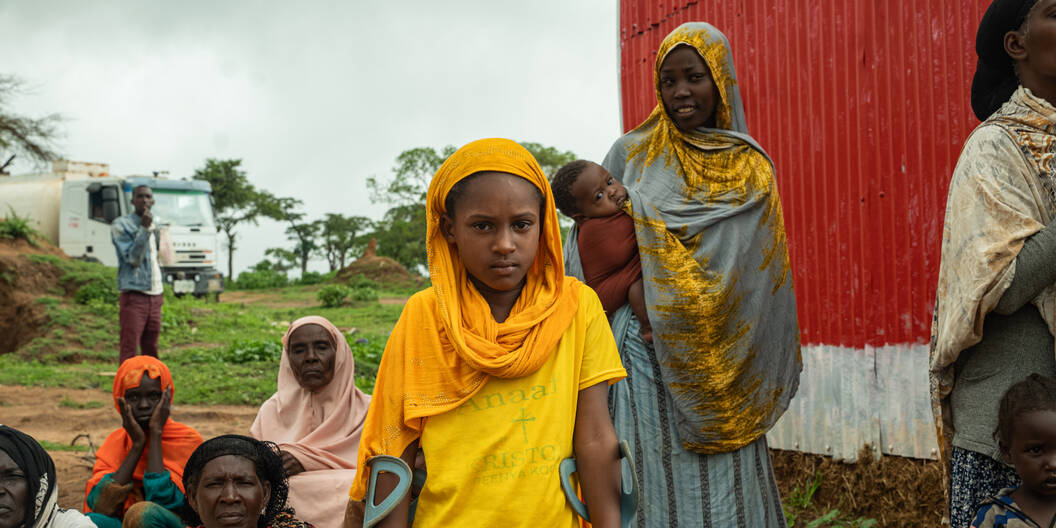
Header image: The project focuses on protecting children and supporting women and girls who have experienced gender-based violence. It provides safe spaces and psychosocial support, and raises awareness among the community on child protection and gender-based violence. © Kenyi Moses