

Integrated Climate-resilient Water Resource Management in the Zarafshan River Basin
Within this 12-year mandate, applied science will be harnessed for optimizing the productive use of water resources within the Zarafshan River Basin (ZRB) in Uzbekistan through a shift away from supply side delivery of irrigation water to temporal delivery based on crop physiological needs, soil moisture regimes and more reliable local weather forecasts.
Overview
Climate
4'964'941 Swiss Francs
Zarafshan River Basin; Samarkand Province, Uzbekistan
Farmers, district administrations and national ministries
p230039
This project is a mandate of the SDC.


Project in detail
Within the Soviet era, significant investments were made by the state in hard infrastructure for water supply to satisfy strategic and economic plans. Today, however, water management has become a much more complex political process, which is further complicated by
- dilapidated infrastructure,
- outdated methods for (often) static water allocation plans,
- and a general lack of robust data on crop water demand, water supply and water accounting.
Institutional structures and a historical legacy of investments have locked water into the production of crops (eg. cotton) that may not have the same contemporary economic or political interest. This legacy has led to a general lack of flexibility in water-use within the agricultural sector. Inefficiency in use is therefore a natural outcome, with implications for access to water in all facets (accessibility, availability, quality) and across sectors.
Impact projections of population growth and climate change for 2030 suggest a possible complete loss of directly useable fresh groundwater in Uzbekistan. Insufficient treatment of wastewater from industry and housing, combined with excessive use of mineral fertilizers, compromise water quality. An estimated 35% of all accessible groundwater resources in Uzbekistan is no longer available as, a result of over-pumping, poor management, and contamination. Weak mechanisms for data acquisition, monitoring and exchange limit the efficacy of sectoral allocations and transboundary water sharing agreements.
Within this 12-year mandate, applied science will be harnessed for optimizing the productive use of water resources within the ZRB in Uzbekistan through a shift away from supply side delivery of irrigation water to temporal delivery based on crop physiological needs, soil moisture regimes and more reliable local weather forecasts.
Optimality in water use will predictably increase equity in access to water resources and thereby reduction in farm household poverty – moving from the head of the irrigation canal to users at the tail end.
Agricultural irrigation accounting for some 90% of all water consumption in the ZRB, increasing its water use efficiency provides significant leverage to release water for use in other sectors (industry, housing, tourism…). Aligning cropping systems with optimal irrigation use inevitably results in a change to the economic value of water in productive use.
This change will be analysed within sector and intersectoral policy dialogues to understand the extent of positive and negative externalities resulting from governmental subsidies. The project will contribute evidence from the field, gained through experimental trials as well as farmer managed benchmark and demonstration sites, to national and regional policy dialogue.
We embrace the importance of institutions, data, and their processing into services, together with an inclusive and codeveloped planning process that enables evidence-based decision making for effective and climate-resilient water resource management (outcome 1). Bringing this to the benefit of the population (outcome 2) requires strengthening the capacities at all levels to employ and sustain effective water resource management processes and systems. We focus on the empowerment of women and marginalized groups as champions for broad uptake of contextually relevant approaches for adapting to climate change and not simply with coping with change. Under outcome 3, learnings are capitalized for uptake into national policy and for regional dialogue
Further projectsCommitment to a world without poverty



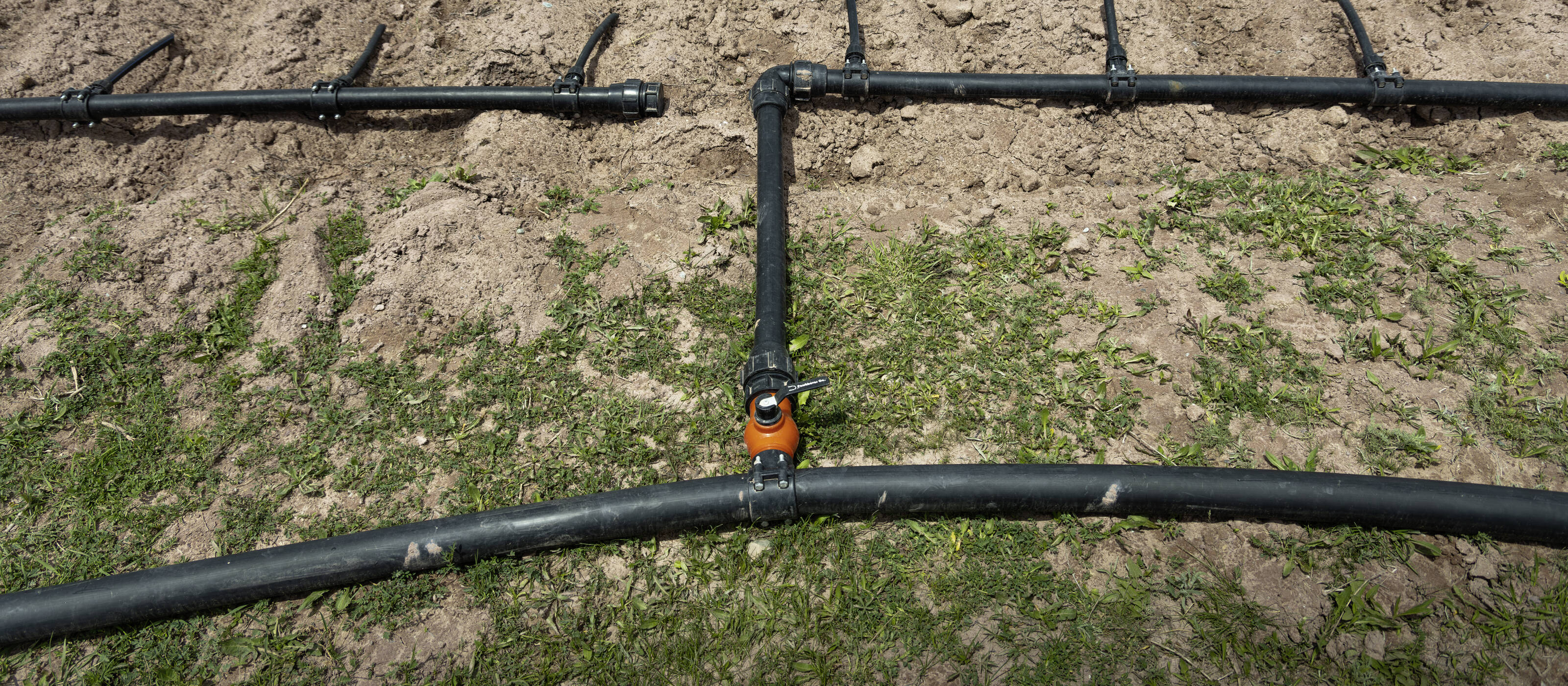
Header image: Field irrigation © Reto Albertalli