

Holistic Opportunities for Migrant and Diaspora Engagement (HOME)
Overview
Migration
1'906'913 swiss francs
01.12.2025 - 30.11.2028
38 municipalities throughout Kosovo
Central and local level institutions, relevant agencies, repatriated persons, asylum seekers, refugees and other migrants, private sector, diaspora communities, NGOs/implementing partners.
P250051
Government principality of Liechtenstein
Project in detail
Kosovo faces substantial development challenges driven by complex migration dynamics. With one of the highest emigration rates globally, one-third of people born in Kosovo live abroad, and an estimated 950,000 individuals – 54% of the population – form the country’s diaspora. Between 2009 and 2023, over 71,000 people were readmitted, 60% non-voluntarily, while outward migration continues to rise: in 2024, 9,716 residence permit applications were submitted to EU countries, a 50% increase since 2022. Labor shortages are growing, with 12,291 job vacancies in 2022 (a 14.4% increase), as skilled workers leave for higher wages abroad. This outflow creates significant gaps in specialized sectors, including a shortage of professionals providing psychosocial support services for children.
High youth unemployment, low private sector wages, and inadequate public services in healthcare and education remain key drivers of migration, amplified by perceptions of political instability. Institutional capacities are limited, with weak coordination between central and local authorities and fragmented information flow leading to inconsistent implementation of municipal action plans. Insufficient legal counselling further restricts beneficiary access due to narrow eligibility criteria. At the same time, reduced donor funding has deepened gaps in essential support systems, while the underutilized potential of diaspora investment remains a missed opportunity for economic development.
The overall aim of the HOME project is to have well-managed migration processes in place by 2028. For this, the project builds on the potential of migrants and refugees as well as the diaspora to contribute to socio-economic growth and social cohesion at community level.
The HOME project responds to the challenges outlined above – persistent emigration pressures, limited public services, and constrained institutional capacities – through a three-part approach focused on institutional capacity-building, direct service delivery, and diaspora engagement. The project will strengthen central and local governmental institutions by establishing effective systems and capacities for well-managed reintegration of migrants and refugees. This includes supporting 100 local officials with capacity development programs and providing integration courses to 50 repatriated persons and refugees.
HOME will further deliver direct psychosocial services to 145 individuals while implementing systematic diaspora engagement mechanisms. Economic integration components include mentoring 25 local companies in attracting diaspora investment and establishing a Kosovo B2B Platform to facilitate business connections. The strategy emphasizes sustainable coordination and financing mechanisms, gender-sensitive approaches, and socially inclusive financing modalities to ensure comprehensive support across all beneficiary groups.
Further projects Commitment to a world without poverty

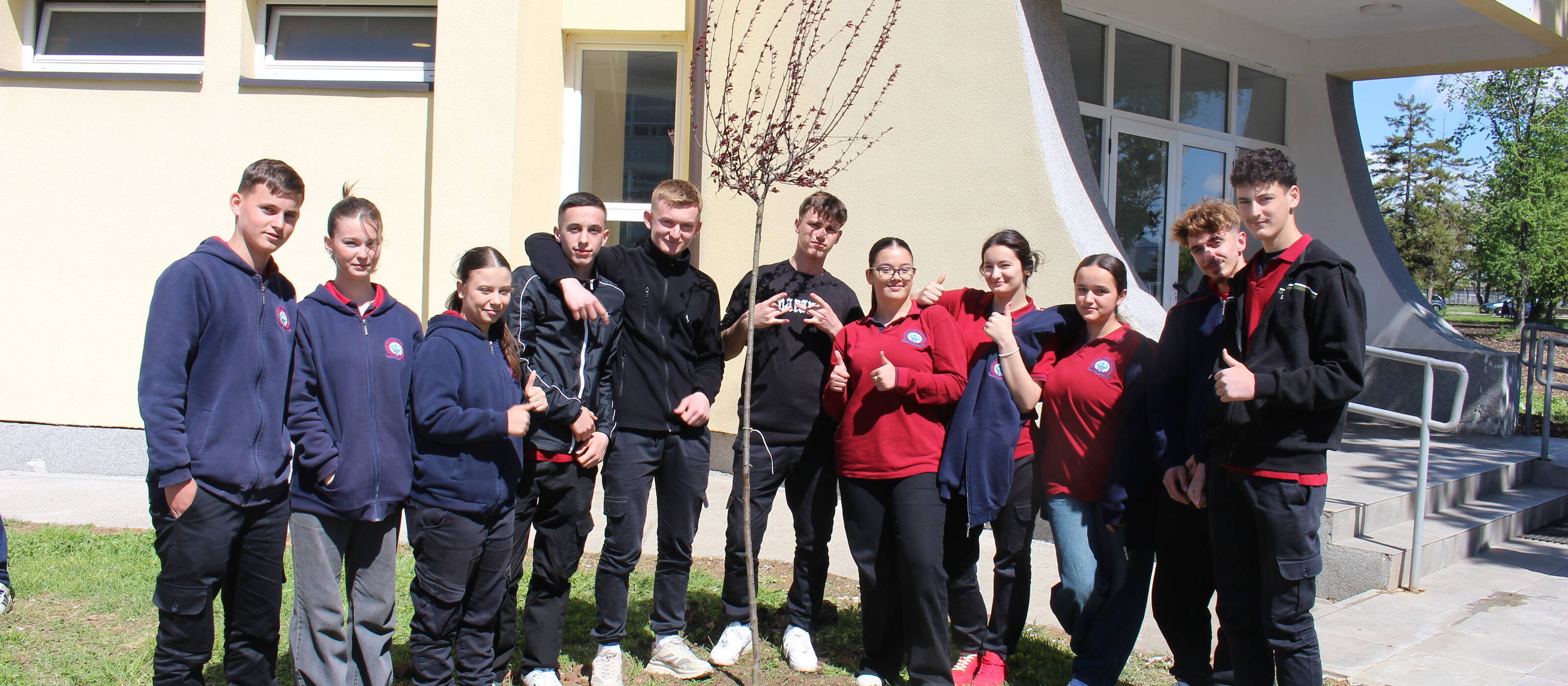
Header image: Young people pose for the camera. © Partner organization