Sustainable Transition And Resilience Track (START)finished
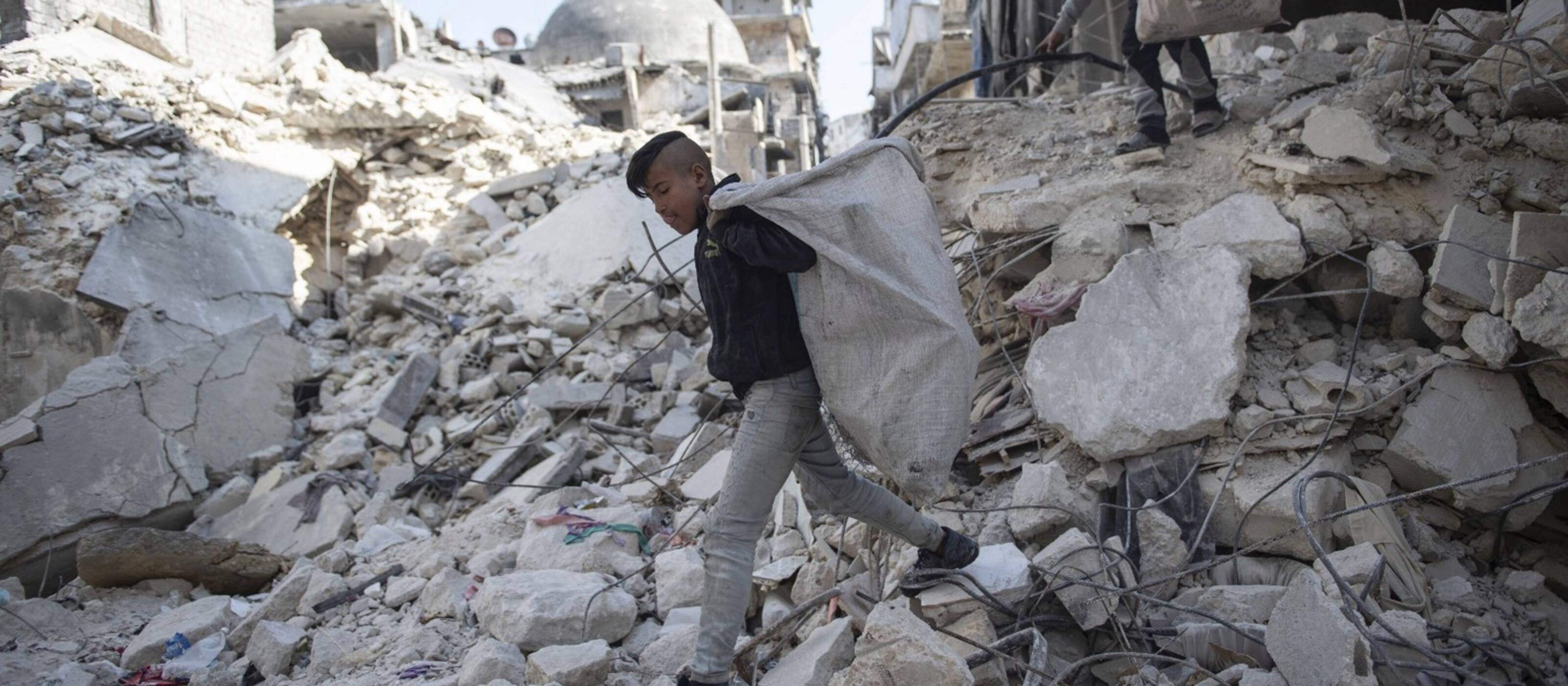
The goal of Caritas Switzerland is to reduce the immediate as well as long-term impact of the earthquake on the affected populations in Syria through a holistic approach empowering individuals and communities. After a one-year emergency response intervention, the project START is taking a more midto longer-term oriented focus on increasing the self-resilience and well-being of the most vulnerable and reducing their dependency on humanitarian aid.
Overview
Income, Humanitarian Assistance
3'388'371 Swiss francs
01.03.2024 - 28.02.2026
Syria: Aleppo, Lattakia
4’290 vulnerable Syrians
P240003
Project in detail
Almost 13 years of conflict in Syria have left Syrians facing one of the most complex emergencies in the world. Economic conditions remain a challenge for vulnerable communities and HHs in accessing safe and equitable services. As a crisis in a crisis, an earthquake unlike any seen in the region for decades struck southern regions of Türkiye and Syria on February 6th, 2023. The impact of the magnitude 7,8 earthquake and the over 2’000 aftershocks was only exacerbated as it was combined with the prolonged humanitarian crisis. Needs have sharply increased as it was estimated that 8.8 million people in Syria were directly affected by the earthquake. Following the natural disaster, the monthly inflation rate in Aleppo and Lattakia rose from an average of 6% in January 2023 to 8% in February 2023, resulting in a significant surge in prices. Public service provision – water, electricity, heating, and social services – which were already under strain before the earthquake, are under severe pressure, and people’s access to emergency healthcare is very limited due to critical infrastructure. Earthquake affected families find themselves in a very dire humanitarian and economic situation and the need for a more long-term and sustainable approach aiming at improving HHs income is high.
To create income generating opportunities for affected households in Aleppo and Latakia, the project START applies a holistic approach combining a variety of activities. First, multi-purpose cash assistance along with capacity building trainings aim to stabilize households’ income. Further, business grants for livelihood restoration and coaching will contribute toward an improvement of households’ income. In total, 752 households will benefit from cash assistance and capacity building trainings of which 360 households will receive business grants. This results in total 3’760 individuals supported to stabilize or improve their monthly income. The project also contributes to meeting the vast mental health needs following the multiple crisis. The psychological support, awareness sessions, and social initiatives will contribute to the psychological wellbeing of total 1'620 beneficiaries. Of these, 1'090 individuals will benefit from both, income generating activities and mental health activities to ensure a holistic approach supporting households sustainably. 530 individuals will solely benefit from mental health activities. This results in a total of 4'290 people benefiting from the project START, including all activities.
The project falls within the income and humanitarian assistance thematic area. By combining cash assistance with livelihood activities such as capacity building, coaching and business grants, the project aims to achieve long-term sustainability for the affected people. In response to the multiple crises, the vast mental health needs of the vulnerable communities will be addressed through tailored psychological support, social awareness sessions and social initiatives. CACH’s extensive experience working in the affected areas and sectors brings with it the technical expertise to implement this holistic approach in an effective way.
Further projects Commitment to a world without poverty

This project is financed by:
- Swiss Solidarity
- Caritas Internationalis Member Organizations (Cordaid, Trocaire, Caritas Poland)