

Sustainable Peace, Environment and Economic Development (SPEED)
Overview
Climate, Income, Migration
Total: 2’070’522 Swiss Francs, of which in South Sudan: 1’036’726 Swiss Francs and in Uganda: 1’033’826 Swiss Francs
01.11.2025 - 31.10.2027
Koboko and Yumbe Districts, West Nile, Uganda;
Lainya and Yei Counties, Central Equatoria State, South Sudan
Vulnerable households from refugee, IDP, returnee and host communities, with a particular focus on women, local authority representatives, members of CSOs, traditional leaders.
P250045/46
Austrian Development Agency, Swiss Agency for Development and Cooperation (SDC)

Project in detail
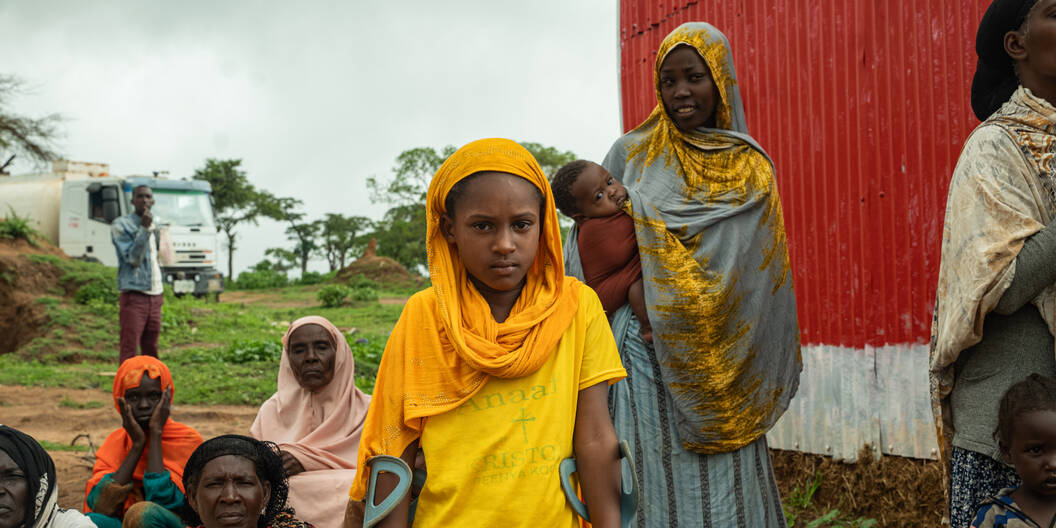
The border region between Uganda and South Sudan faces interconnected crises that threaten community stability and human security. Civil war in South Sudan has displaced 4.5 million people, with over one million refugees now residing in Uganda's West Nile region. These communities experience severe food insecurity at crisis levels, exacerbated by the World Food Programme's suspension of assistance and reduction of food rations to 40% of previous levels. Climate change and environmental degradation compound these challenges, as rapid population growth and unsustainable land use practices strain natural resources. Competition for diminishing resources has escalated tensions between host communities and displaced populations, while weak governance structures limit community participation in natural resource management. Women face heightened risks of sexual violence and other gendered threats due to negative coping strategies (early marriage, abandoning school, etc.).
Following a Human Development Peace (HDP) Nexus approach, this project aims to reduce conflict over and pressure on natural resources in South Sudan’s Central Equatoria State and Uganda’s West Nile sub-regions through livelihood support, building of sustainable livelihoods, natural resource management and conflict prevention strategies. The project has a strong overarching gender component, aiming for meaningful, increased female participation in decision-making at all levels of the community.
Led by Caritas Switzerland in partnership with local organizations including AFARD, OFAO, and CDC, the initiative targets 5,000 vulnerable households from refugee, internally displaced, returnee, and host communities. The project's strategy centers on three core outcomes: enhancing food security through agricultural input provision and capacity building, developing resilient livelihoods through sustainable natural resource management and climate-resilient practices, and strengthening conflict prevention through community dialogue and resolution mechanisms. Implementation includes distributing farming inputs and tree seedlings, training individuals in agroecology and natural resource management, providing start-up grants for green businesses, establishing Village Savings and Loans Association (VSLA) groups, establishing listening groups, and conducting community dialogues addressing natural resource conflicts and gender-based violence.
The project will directly benefit 20,160 individuals while reaching an additional 55,000 people through advocacy activities, with 60% of beneficiaries being women and 40% youth. Through this integrated approach, the SPEED project builds foundations for peaceful coexistence and sustainable development that will benefit border communities long after project completion.
Further projects Commitment to a world without poverty

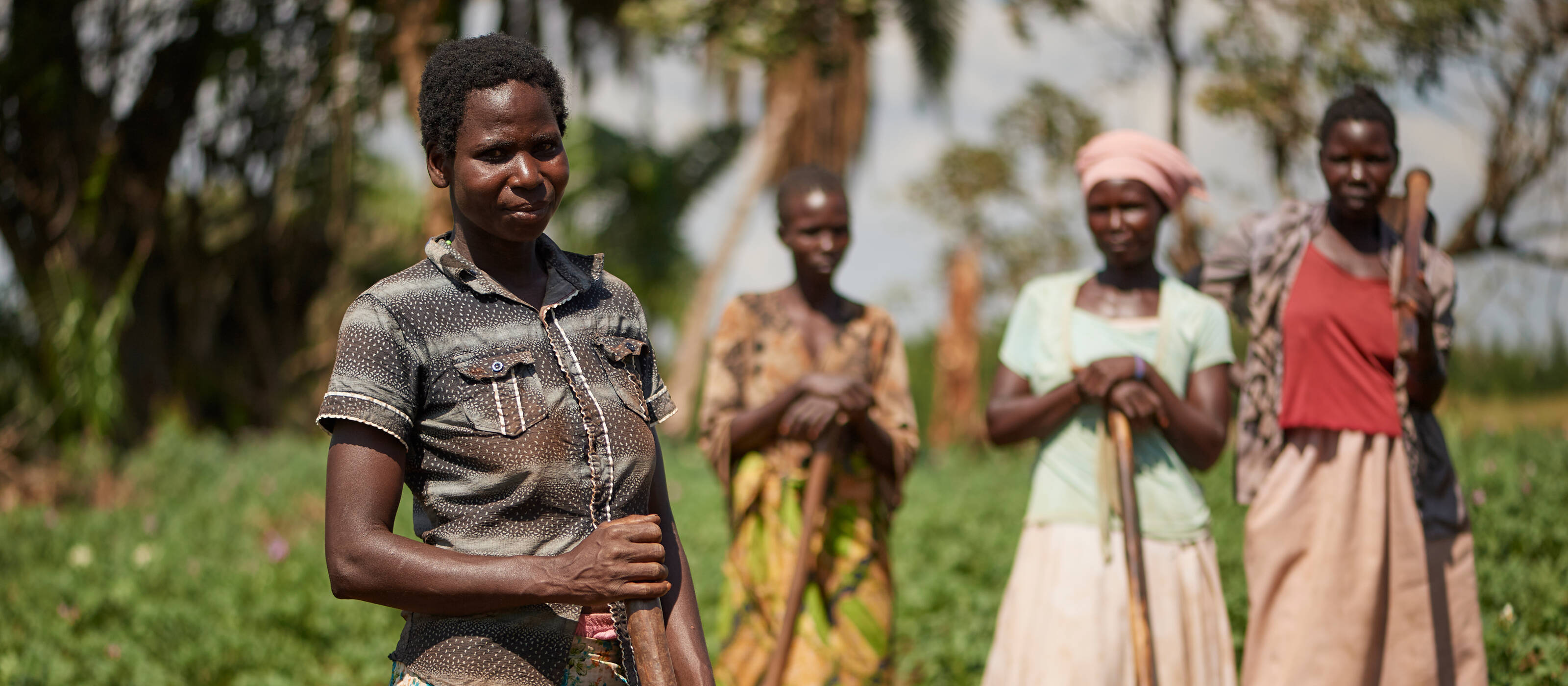
Header image: Women farmers working in a potato field in Uganda’s Yumbe District, near the village of Kabucan. © Fabian Biasio