Sustainable pasture managementfinished
Project in detail
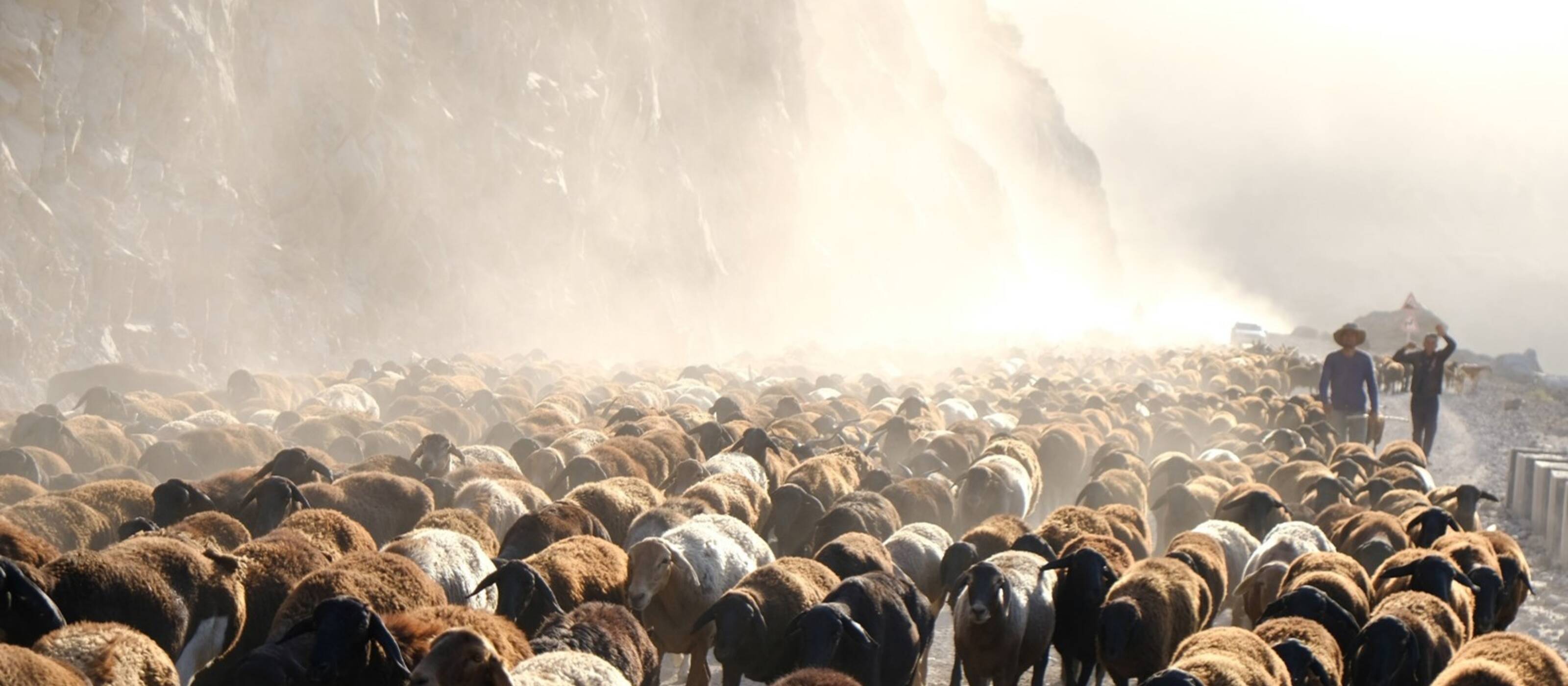
The Republic of Tajikistan is the smallest landlocked country in Central Asia. Pastures play a significant role within rural communities in terms of access to spring and summer feed and fodder resources. They also support habitats for natural pollinators that provide essential services to orchard growers. At least 90% of the close to 4 million hectares of pasturelands within the Republic of Tajikistan suffer from medium to strong erosion, increasing the vulnerability of downstream communities to risk of landslides, flooding and mudflows. Growing livestock numbers and weak regulation in the management of mountain pastures compound the problem of erosion.
The original 2013 national law on pastures, and subsequent amendment in 2019, is challenged by private interests. Nepotism and corruption hinder in terms of the effective enforcement of bylaws and statutes provided therein. In addition, weather and climate change poses significant risks to shepherds and their herds under their oversight given sudden changes in temperature, extreme weather-related events and lack of timely early warning. Death of livestock, or and reduced live weight, are common, combining with threats to human wellbeing from unanticipated extreme weather events.
The overall objective of this short project is to provide evidence-based arguments that support targeted (public and private) investments within national pastures. Small holder herders and communities will benefit from higher pasture productivity, reduced pasture degradation, and decreased vulnerability to natural hazards and higher pasture productivity thereby improving livestock heath and preserving its value as capital assets that form the basis of wealth within many rural communities.
The development of an evidence evidence-based roadmap for more sustainable pasture ecosystems management country-wide is a key output of this project. It builds on a systematic analysis and mapping of livestock monitoring systems and movements of herds. Pilot sites demonstrate sustainable pasture management practices, including a management based on dedicated Weather-Water-Climate-Services (WWCS) such as alerts for inclement weather in high-mountain pastures and fodder systems that attract natural pollinators in support of improved ecosystem health. Alerts for remote areas require exploration of technologies for enlarging network coverage within the project. Evidence from these field applications shall combine with the country-wide assessment of the national pasture systems to prepare broad uptake of sustainable management practices. These improve pasture productivity, in support of rural livelihoods but also of a peaceful co-use of this resource, as well as counteract wide-spread land degradation that negatively impact rural livelihoods and their vulnerability to impacts of climate change.
This project harvests from Caritas Switzerland’s rich experience of working with rural communities in Tajikistan. Integrated Watershed Management has been a hallmark approach for more than a decade, in which sustainable pasture management has been a key component. Weather-Water-Climate Services (WWCS), understood as an innovation systems approach, enhance agricultural, pasture and water productivity while supporting ecosystem health. The circular value chain logic which is embedded in WWCS supports long-term sustainability of the project’s benefits. A multi-stakeholder approach which involves levels from rural to district to national is indispensable for achieving the envisaged impacts.
Facts and figures
Climate, Income
CHF 413’000
Rural
Rural herders
Further projects Commitment to a world without poverty


This project is financed by:
- SDC