Supporting the Development of the Peanut, Sesame and Shea Value Chain
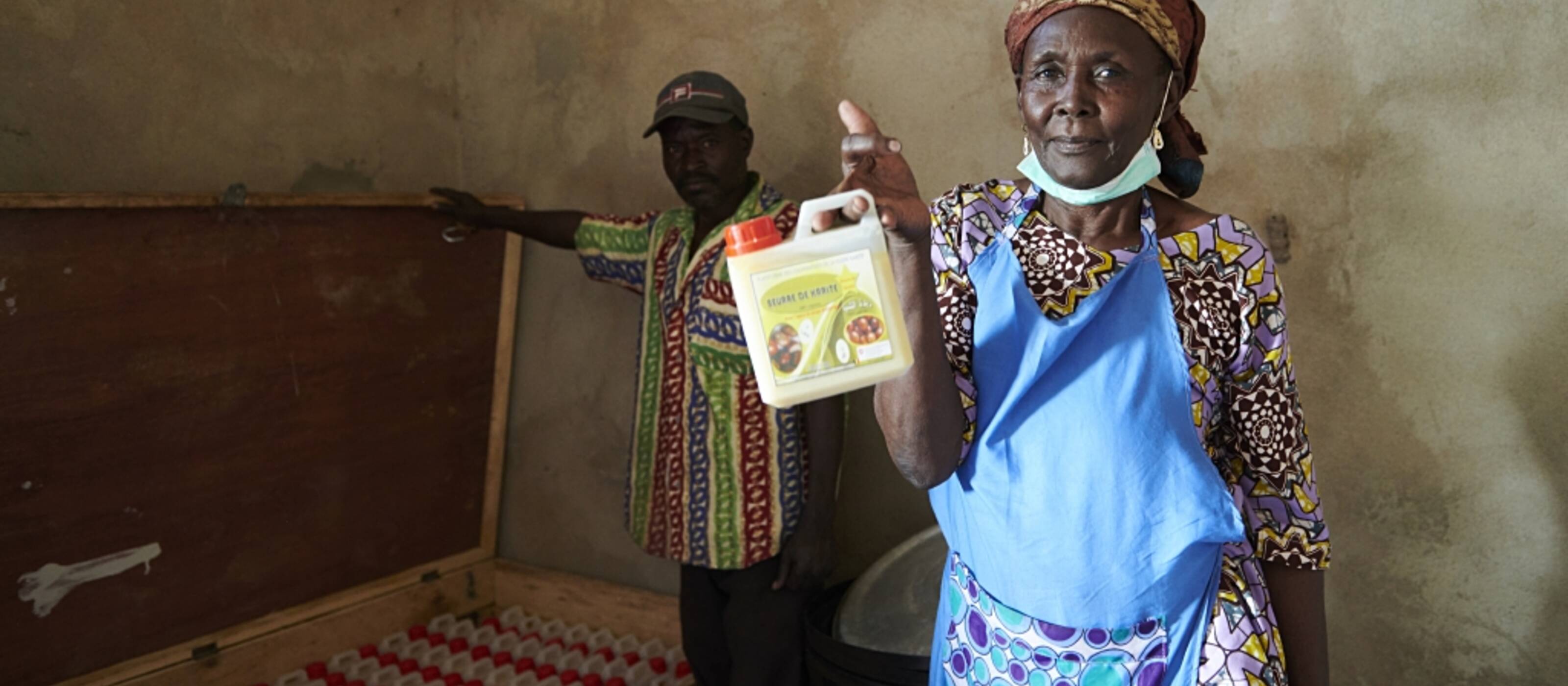
Worsening climatic conditions and ongoing political and security crises are severely affecting food security in the southern regions of Chad. In this context, the peanut, sesame and shea value chains represent real economic opportunities for local populations.
The project aims to foster economic development and improve living conditions in the affected regions.
Overview
Income
9'370'348 swiss francs
01.12.2023 - 30.11.2027
Chad; Provinces of Moyen-Chari, Mandoul and Logone Oriental
The project targets family-run enterprises. It aims to improve the incomes of 120'000 people across the three regions, including at least 30% women (approx. 36'000 women) and 40% young people under 35 (approx. 48'000 young people).
P230053
This project is mandated by the SDC.

Project Details
Climate stress and instability are key drivers of food insecurity in Chad's southern provinces. Yet, the value chains for peanuts, sesame and shea present promising economic potential.
Peanuts form a dynamic sector with many processors involved. Sesame is booming in terms of both production and export. While the shea sector is less developed, demand is growing rapidly. However, family-run businesses face numerous challenges: internal issues like weak organisation and lack of professionalisation, and external obstacles such as poor access to inputs, adapted financial services, and market connections.
The programme promotes economic development and aims to improve the well-being of the population through the following measures:
- Family-run businesses gain access to support services – such as quality seeds, training, storage and sales infrastructure, and market information systems – enabling them to improve productivity, product quality, profit margins, and sales.
- Cooperatives and small businesses benefit from access to credit, savings, and financial literacy, increasing their investment capacity.
- Women and young entrepreneurs operate in a more enabling environment for growing their businesses.
The Theory of Change for Phase 3 of the SODEFIKA project remains consistent with earlier phases:
“The development of inclusive market systems enables poor and vulnerable populations to access high-quality services and business opportunities. This allows family businesses to professionalise, increase their income and achieve greater sustainability.”
The focus is on empowering economic actors, strengthening support services, and facilitating sustainable market access. The project will also work to consolidate farmer organisations.
This project falls under the income generation theme, but it also addresses climate-related concerns. The strategic orientation follows the Market Systems Development (MSD) approach, which helps project teams design scalable and sustainable interventions.
Rather than delivering services directly, SODEFIKA Phase 3 acts as a facilitator and catalyst for change, encouraging local partners to take on new roles based on their capacities and motivations.