Street-connected children in Rio de Janeiro give their life a new directionfinished
Project in detail
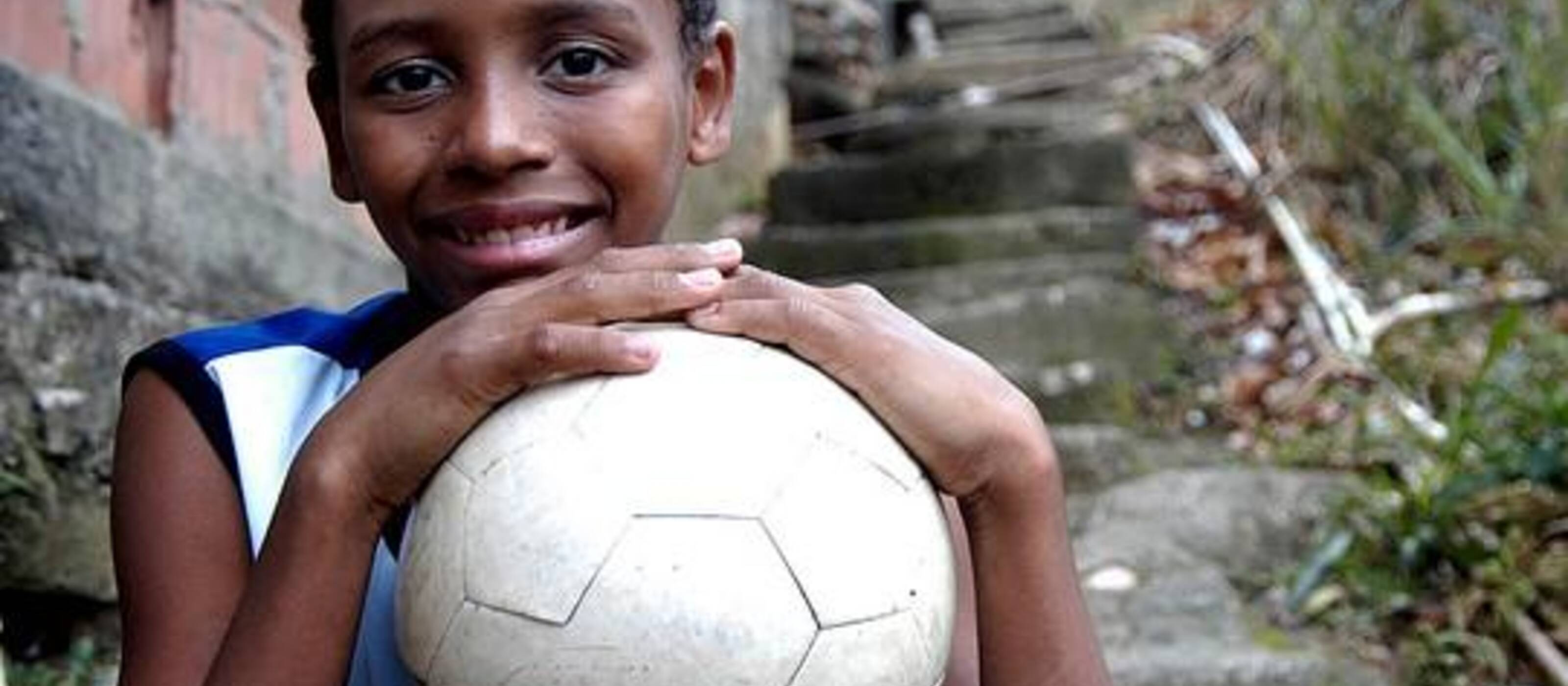
Gang criminality, prostitution, drugs and police violence are part of the daily experience of countless street-connected children in Rio de Janeiro. Caritas offers them refuge and helps them give their life a new direction. They receive social and legal advice, help with reintegration into the family, education, recreational activities and support in finding work.
The living conditions of children and adolescents at risk and socially vulnerable in the city of Rio de Janeiro are improved.
In 2018, around 13 million of the total of 210 million Brazilians were unemployed (12.3% of the working-age population) and every fifth person (42 million) still lives below the poverty threshold of less than USD 5.5 a day.
With 64,000 murders a year, Brazil is one of the world’s most violent countries and the authorities, plagued by financial crises, are losing control in many areas while organised crime is spreading. Brazil’s drug cartels are international players, whom the security apparatus, riddled with corrupt officials, can do little to combat.
In February 2018, the military took over responsibility for internal security. Since then, violence on the part of the police forces in the State of Rio de Janeiro has increased continuously. In the past year, 1,534 people were killed during police operations – the highest number since the Public Security Institute began to collect this data in 1998. According to the World Health Organisation, Brazil has the third-highest homicide rate for children and youth, behind only Mexico and El Salvador. In Brazil, the homicide rate among youth aged between 15 and 19 is 54.9 per 100,000. In the first quarter of 2019, more people were killed than ever before.
In Brazil’s big cities, the neighbourhoods where the poorest population groups live are characterised by a lack of public services, insecure, casual jobs and precarious working conditions, alcohol and drug abuse and a high potential for violence on the streets and in the families. This situation leads to children and young people becoming victims of sexual exploitation, being forced into child labour or used in the drug trade, which makes them extremely vulnerable and exposes them to great social risks.
Among the people living on the street or in squats, children and young people in particular are exposed to very high risks because they have little access to social services and institutions and their basic rights are not guaranteed. Moreover, many of these young people are (functionally) illiterate because they have not even completed their primary education. This, and their irregular daily routine, drug abuse and violent behaviour are almost insurmountable obstacles to entry into the world of work.
Our partner organisation, the non-profit organisation São Martinho with whom Caritas Switzerland has successfully cooperated for around 35 years, can look back on more than three decades of experience of working with street-connected children and adolescents. During this period, it has grown into a nationally and internationally recognised professional organisation in its field. The aim of the project is the social integration of children and young people on the street, in squats or poor neighbourhoods of Rio de Janeiro. This is done through recreational activities, advocacy, integration into the labour market as well as lobbying.
The mobile outreach team of São Martinho visits the streets of the poor neighbourhoods and favelas of Rio on a daily basis. It distributes food and hygiene products to the street-connected children and youth, conducts local workshops and informs them about the organisation’s services. The project offers sports, cultural, leisure and educational activities to the children and young people. These are designed to provide them with a basis for developing their autonomy and social capacity and to open up new personal, social and professional prospects.
Vulnerable children and young people are given advice and support in the organisation’s centres. An interdisciplinary team of professionals (psychologists, social workers, teachers, lawyers) looks after the children and young people, organises meetings with their families and conducts house visits in difficult cases. In addition, it offers the beneficiaries and their families social and legal advice and draws up individual support and care plans with them. When necessary, the team also arranges referrals to specialised institutions of the (child)rights network.
The vocational preparation course prepares young people for vocational training programmes and includes technical (e.g. oral and written communication) as well as behavioural content (e.g. job application training and manners). The aim of these activities is to enhance the employability of socially vulnerable youth with appropriate vocational training measures.
To ensure the organisation’s sustainability, the focus of the project is on the diversification of the sources of income and forms of fundraising of São Martinho. To this end, the fundraising strategy is being revised, telemarketing is further professionalised, and cooperation agreements are entered into with institutions that complement their services in order to make joint submissions to national and international donors.
Facts and figures
Education, leisure activities, social and legal counselling and help and support in finding a job for young people
Around CHF 279'000 per year
Brazil / Rio de Janeiro
1'800 vulnerable children, adolescents and young adults between the ages of six and 24, as well as 500 families who participate in the life and activities of their children in the organisation
Caritas Switzerland