

SATR – Safe Access To Resilient Learning
Overview
Migration
608'592 swiss francs
01.01.2026 - 31.12.2027
Beirut and Mount Lebanon, Lebanon
2’562 participants
P260021
Caritas Switzerland, Swiss Solidarity, SDC


Project in detail
Lebanon's education system faces unprecedented challenges as economic collapse intersects with prolonged conflict and displacement. The 2023–24 escalation has created massive internal displacement, with 346’000 to 900’000 people forced from their homes and over 500 schools repurposed as emergency shelters. In the greater Beirut area vulnerable children face compounding barriers to education access. Economic crisis has reduced teaching weeks to four days, while 27% of children have experienced complete learning interruption. The situation affects refugee children, displaced families, and local Lebanese communities equally, with more than one out of four children out of school at the beginning of 2025. Beyond access challenges, 48% of children report experiencing fear and anxiety, while 32% demonstrate poor concentration, indicating widespread psychosocial distress that further impedes learning capacity.
The weakened education system in Lebanon has led to overcrowded schools, reduced teaching time, and significant learning loss, while financial hardship, teacher shortages, and psychosocial stress further undermine access and quality.
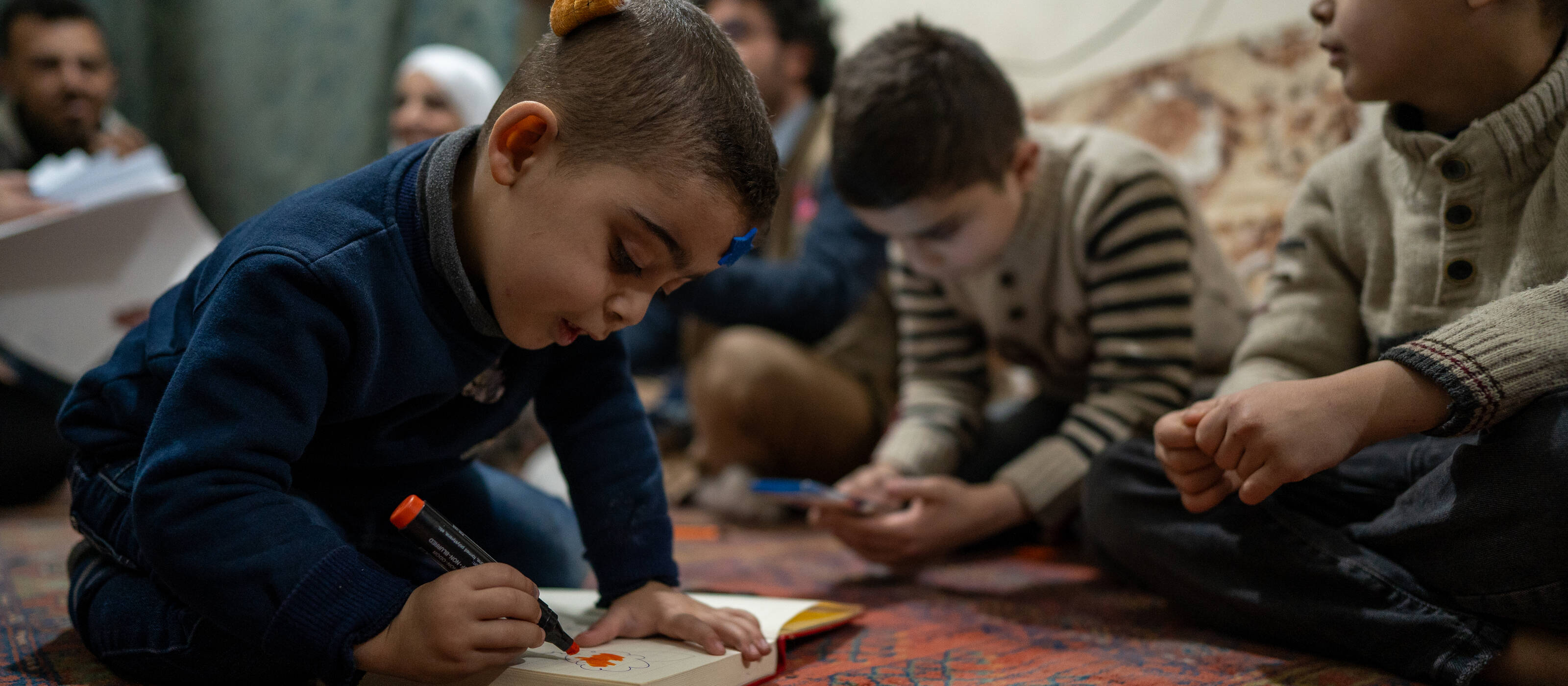
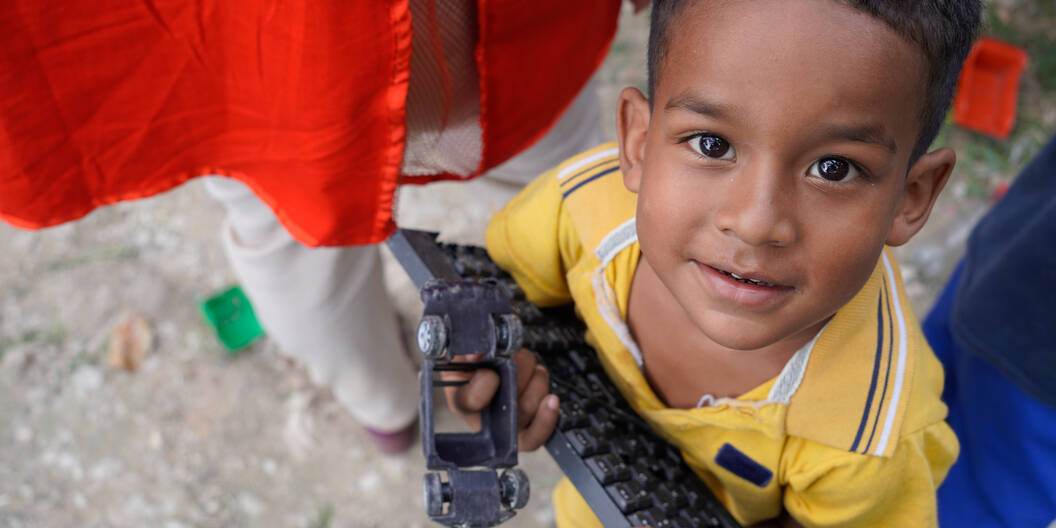
The SATR project addresses these interconnected challenges through three strategic components targeting different aspects of the education crisis. The project will reach 2’004 children through Remedial Education, Basic Literacy and Numeracy, Social and Emotional Learning, Psychosocial Support, and recreational activities in both formal and non-formal settings, as well as through participation in community events that promote inclusion and education awareness.
Around 558 adults including caregivers, teachers, facilitators, and community members, will directly benefit from capacity-building, awareness and positive parenting sessions, and community engagement events designed to strengthen support for children’s learning and well-being.
The gender distribution reflects national patterns where a slightly higher proportion of school-age girls attend education programmes and the majority of caregivers and teachers are women.
The project's implementation through partnerships with Caritas Lebanon and Amel Association, coordinated with the Ministry of Education and Higher Education, creates sustainable pathways for educational recovery. Children receiving remedial support will demonstrate improved academic performance and reduced dropout risk, while out-of-school participants gain foundational skills necessary for potential reintegration into formal education. The psychosocial programming addresses trauma and stress that currently prevent effective learning, building emotional resilience among affected children. Trained teachers and facilitators will continue applying inclusive methodologies and support techniques beyond the project period, creating lasting improvements in educational quality. Engaged caregivers become advocates for education within their communities, supporting broader cultural shifts toward prioritizing children's schooling despite economic pressures.
Through these combined interventions, SATR establishes a foundation for educational continuity that can withstand future shocks while addressing the immediate learning and emotional needs of Lebanon's most vulnerable children.
Further projects Commitment to a world without poverty

Header image: © Adeeb Farhat