Nexus project for returnees and host communities in Eastern and Central Equatoriafinished
Introduction
This project aims to support the livelihoods and peaceful coexistence of returnees and members of the host communities by driving systematic change in an integrated way to improve natural resource management and farming practices in support of food security; to increase income-generating activities; and to support the prevention of GBV and non-violent resolution of conflicts.
Overview
Income, nutrition
3'549'185 Swiss francs
01.07.2023 - 30.09.2025
8 bomas of the 2 payams Imurok Payam (Torit County) and Magwi Central Payam (Magwi County) in Eastern Equatoria State, and 4 bomas in Yei Town Payam and Otogo Payam in Yei River County of Central Equatoria State
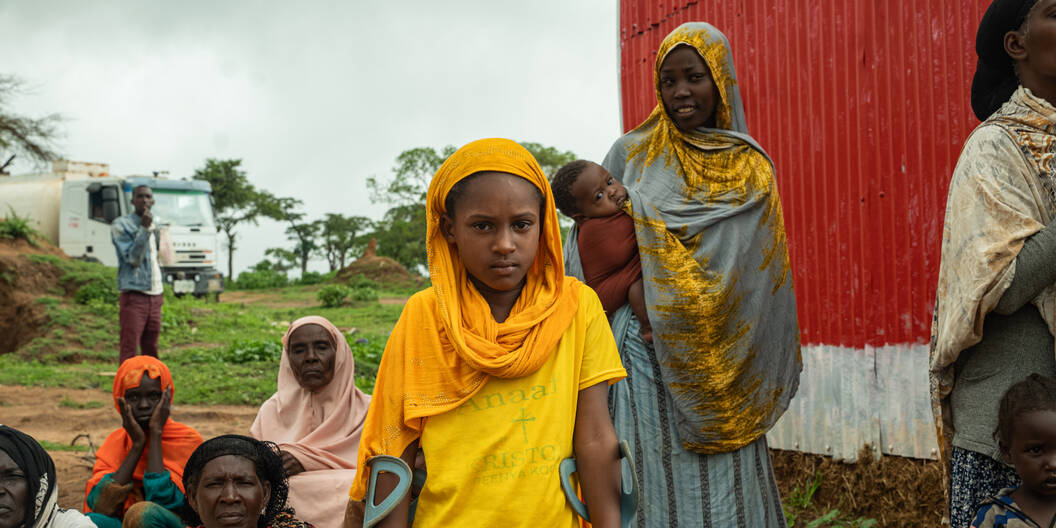
Returnees and vulnerable host communities
P230001
Project in detail
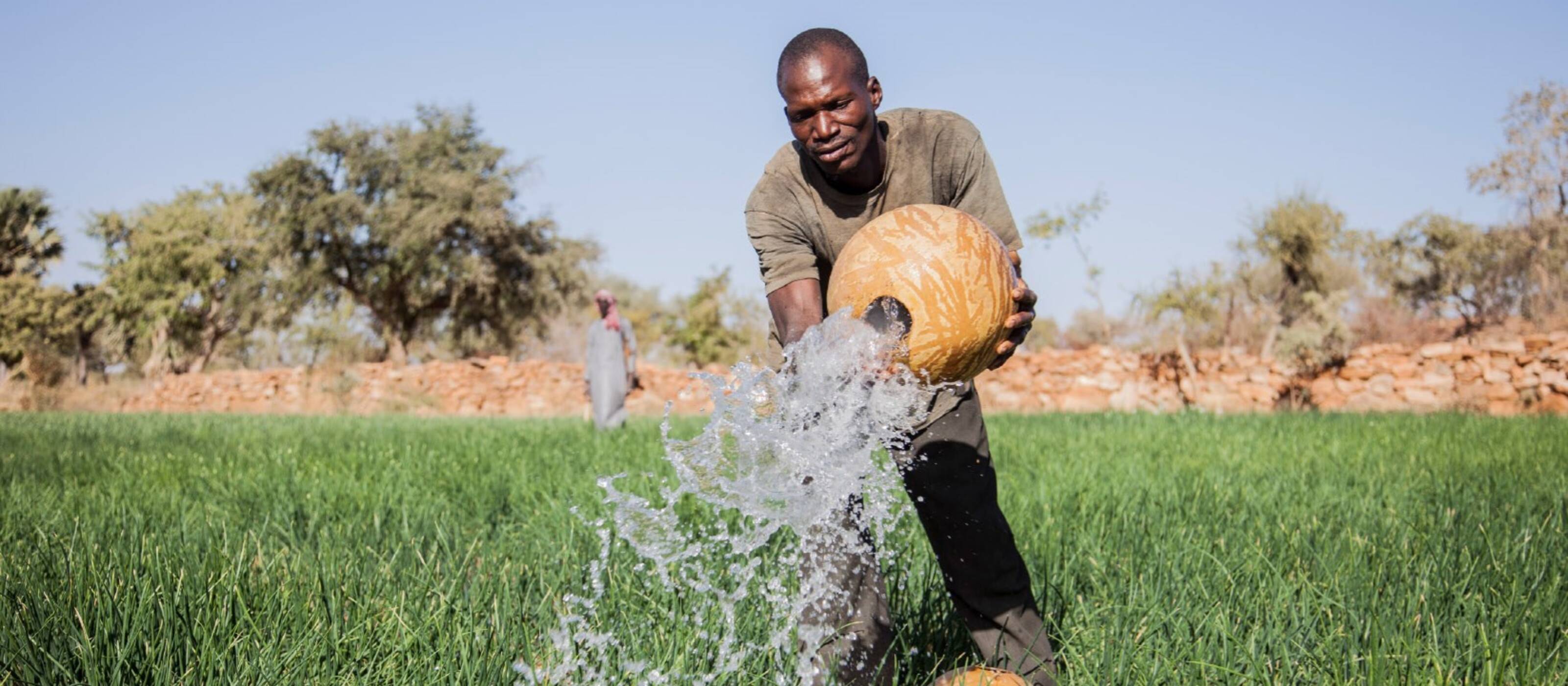
The local population of Yei River County in Central Equatoria State and Magwi and Torit Counties in Eastern Equatoria State strongly relies on the locally available natural resources for food supply and livelihood. Especially Yei River County and Magwi County are considered high-return areas of returnees, and since the livelihoods of most returnees also directly depend on the use of natural resources, the pressure on soil, vegetation, water sources, and biodiversity will increase significantly in the future, continuously increasing the potential for conflict with the host populations. To break the cycle of advancing natural resources degradation which contributes to a further deterioration of local land use systems, water supply and livelihoods, an integrated concept is required that addresses the underlying root causes of the problems. This Triple Nexus project promotes sustainable agricultural land use concepts and the diversification of income strategies for host community members and returnees. Since access to and management of natural resources in the face of scarcity and increasing population due to returnees has a high potential for conflict, a central component of this project is also the communication of non-violent concepts for conflict resolution.
Due to the lack of income-generating opportunities, the livelihoods of returning refugees and host communities in EES and CES depend to a large extent on the direct use of natural resources. Under pressure to build livelihoods rapidly, principles of sustainability are often disregarded, resulting in overexploitation (especially in regard to vegetation, soil and water). Dwindling natural resources and increasing pressure to use them through an increasing population destroys the livelihoods and has a great potential for conflict, especially in regions where the majority of the population is dependent on rain-fed agriculture.
To address these challenges, this project will link three components together to ensure complementarity in the target communities among returnees and host communities. The primary focus is on improving natural resource management and governance to ensure that the immediate and future food needs are met. However, to do this, one also needs to improve incomegenerating activities and foster the ability of communities to resolve issues peacefully and to prevent violence towards women and girls who play an important role of ensuring the food security of the household.
In line with CACH’s International Cooperation (IC) Programme 2021-2025 strategy, the project focuses on resilience oriented programming which aims to provide assistance that fosters the self-reliance of the affected population and promotes long-lasting positive change in communities. This shall be achieved through improving the practices of natural resource management and governance that lead to increased food production; encouraging and promoting income generating activities with a focus on alternative non-agricultural businesses; and mitigating gender-based violence and encouraging non-violent conflictresolution methods. All activities are linked to enhancing resilience for which the Triple Nexus approach lends itself.The project will be led by CACH in close partnership with Caritas Torit, the Justice and Peace Commission of the Catholic Diocese of Torit, the Caritas Catholic Diocese of Yei including the Justice and Peace Commissions of Yei, and Organic Farming Advisory Organisation.
Further projects Commitment to a world without poverty

The project is funded by:
- SDC