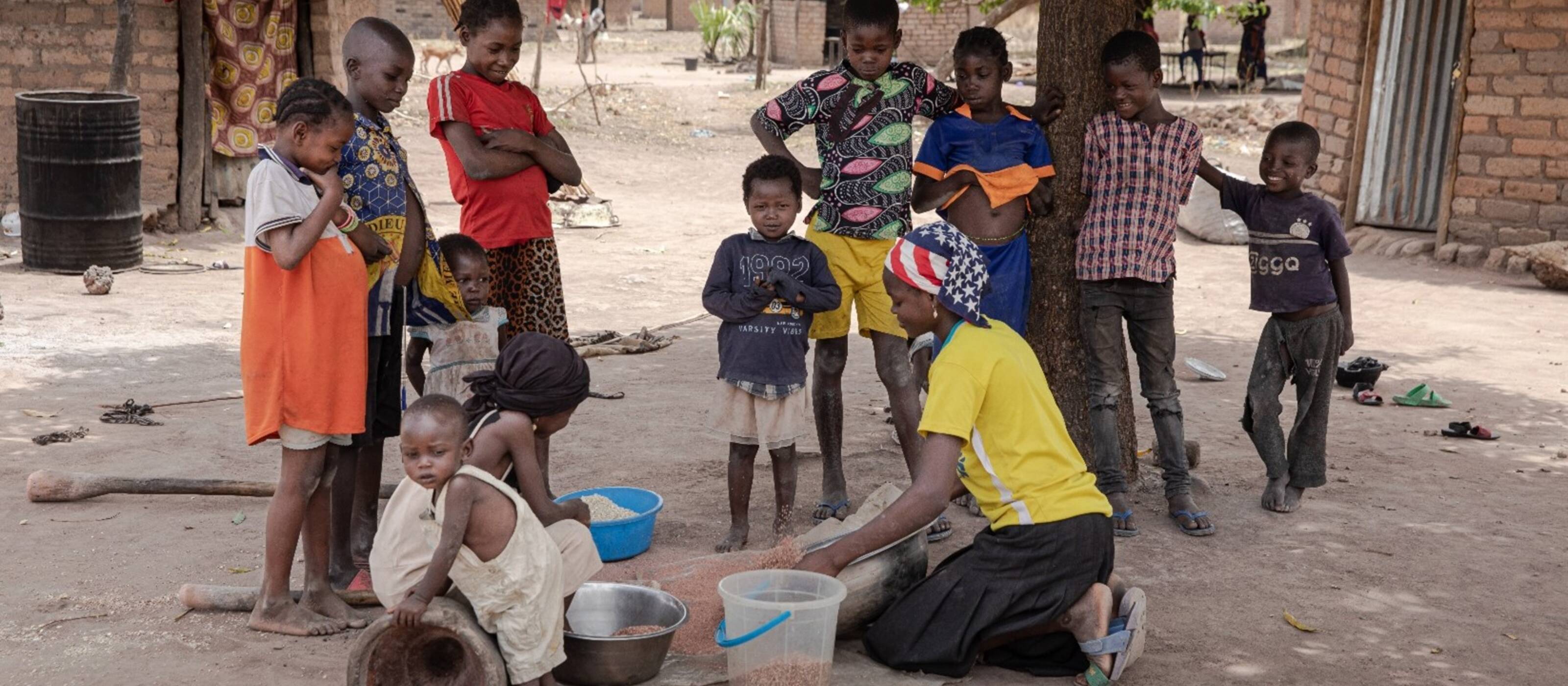

Improved Living Conditions for People in Southern Chad
The NexSud project focuses on migration while also addressing humanitarian aid, income generation and climate-related issues. It follows a Triple Nexus approach, which combines humanitarian assistance, development and peacebuilding to respond to the complex challenges of the local context.
NexSud integrates components of the Graduation Approach – a programme designed to lift households out of extreme poverty by combining social protection, livelihoods support, financial inclusion and social empowerment over a period of 18 to 36 months.
The project team also applies climate-proofing methods to adapt interventions to the impacts of climate change, involving communities in the design and ownership of sustainable solutions.
Overview
Migration
22'729'972 swiss francs
01.11.2023 - 31.10.2028
Chad (Logone Oriental, Mandoul, Moyen Chari)
Refugees, returnees and host communities
P230054
Project Details
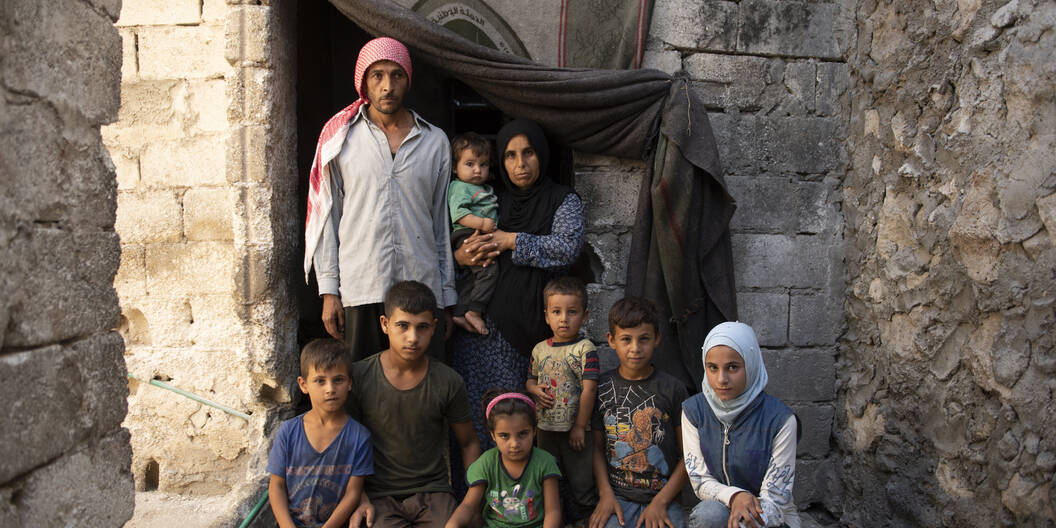
Chad, a landlocked country in Central Africa with around 18.5 million inhabitants, is facing growing poverty affecting nearly half of its population. The southern regions – particularly Logone Oriental, Mandoul and Moyen Chari – located near the borders with the Central African Republic and Cameroon, are confronted with severe challenges.
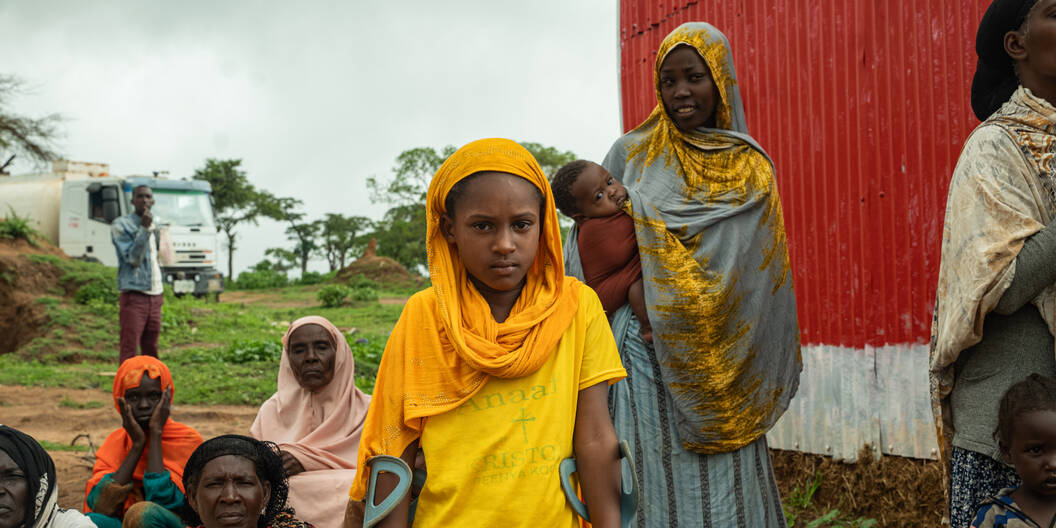
Almost 60% of the population in these provinces live below the national poverty line and suffer from high levels of food insecurity. This situation is exacerbated by the fragility of communities, limited local development, and declining humanitarian aid. Furthermore, the massive influx of refugees places additional pressure on already inadequate resources and infrastructure, worsening living conditions and increasing the risk of conflict.
In response to these structural and acute crises, there is an urgent need for an integrated response that combines humanitarian assistance with long-term development initiatives, while also including conflict prevention and measures to promote social cohesion.
The NexSud project seeks to respond to the challenges faced by target populations by addressing their specific needs. The project aims to:
- Strengthen communities' resilience to recurring shocks
- Improve skills in natural resource management, agricultural production and economic opportunities
- Enhance local capacities to prevent, manage and transform conflicts
NexSud builds on the achievements of a previous project that sought to improve living conditions for both local and displaced populations in the same regions. It aims to consolidate and expand the impact and sustainability of that earlier intervention.
The project is implemented by a consortium led by Caritas Switzerland, together with Initiative Humanitaire pour le Développement Local (IHDL) and Association pour la Promotion des Libertés Fondamentales au Tchad (APLFT).
NexSud will bring several positive changes for the target groups. They will benefit from improved access to protection services, including legal and medical support for survivors of gender-based violence. They will be better prepared for disasters thanks to emergency resources. Economically, they will have more opportunities through training in sustainable agriculture, access to innovative technologies, and improved financial services. Finally, by engaging in local governance and conflict resolution, communities will strengthen social cohesion and foster a more stable environment.
Our Spotlight-Sheet on NexSud

Spotlight-Sheet «Triple Nexus Approach Spotlight on NexSud Project»
Download (pdf, 196.27 KB)Regular updates from the NexSud Project
in French

Juin 2026: Bulletin d'Information de Caritas Suisse au Tchad
Download (pdf, 21.39 MB)
Mars 2026: Bulletin d'Information de Caritas Suisse au Tchad
Download (pdf, 6.4 MB)Further Projects Commitment to a World Without Poverty
The project is funded by
- Swiss Agency for Development and Cooperation SDC
- Agence française de développement
- EU*
*This project is funded/co-funded by the European Union. Its contents are the sole responsibility of Caritas Switzerland and do not necessarily reflect the views of the European Union.