Improve the income of women and young people through entrepreneurship and vegetable growing (PAREM)finished
Overview
Income, climate
2'163'106 Swiss francs
01.07.2021 - 31.12.2025
Cercle Yanfolila, Bougouni, Mali
Direct beneficiaries: 2’900 women and their households and 80 young people aged between 18 and 35
Indirect beneficiaries: The population of the four target communities (approximately 45’800 people)
P210039
Project in detail
Malian society has to cope with numerous challenges that make daily life difficult for the population. The causes include climate change, conflicts, political instability, a fragile security situation and the weak economy. The overwhelming majority of the population lives in the rural areas and half of the people live in extreme poverty.
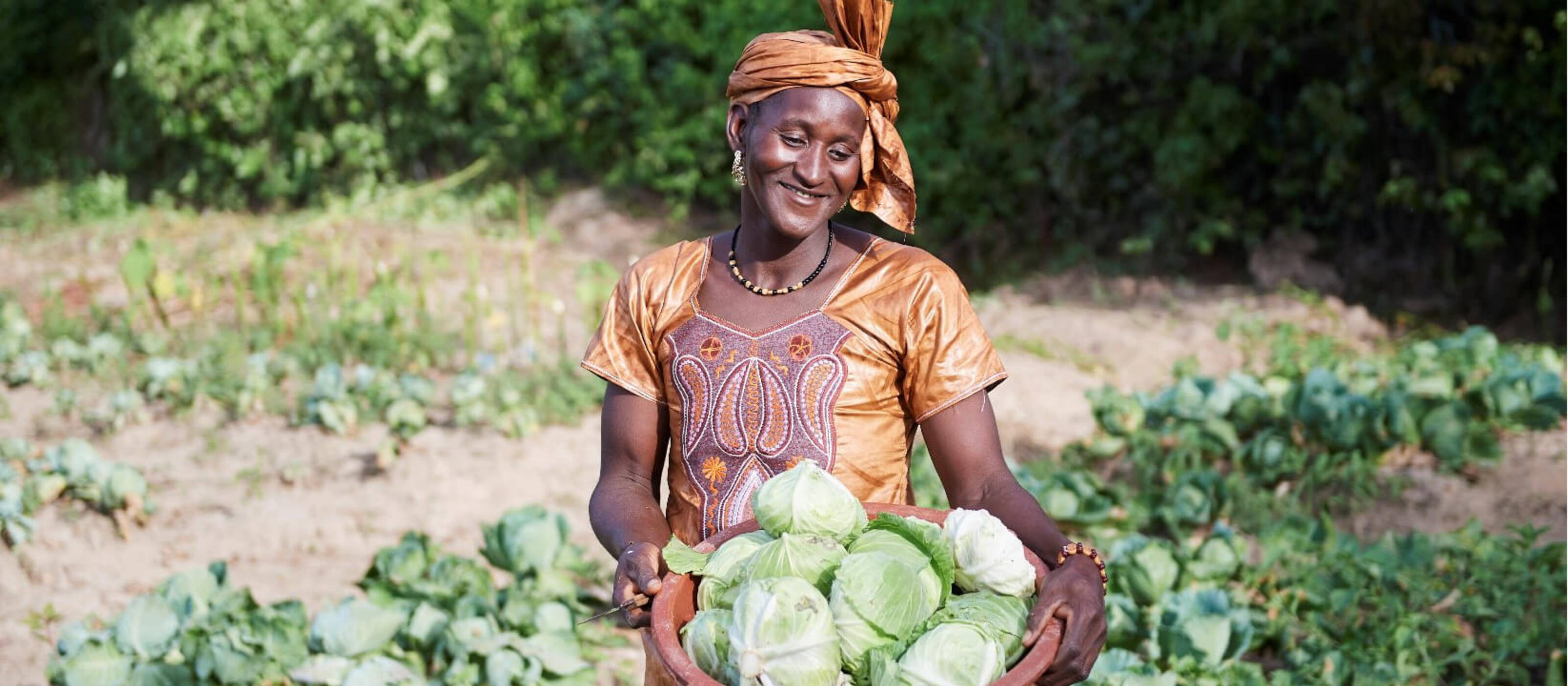
Mali is among the countries in the world which are hardest hit by the impacts of climate change. The fertility of the arable land suffers as a result of recurring drought periods, floods and erosion, as well as the consequences of unsustainable cultivation methods. In the rural communities of the Yanifoila Cercle, vegetable cultivation is an important source of income, especially for women. At the same time it contributes to food security by improving the composition of nutrients in the meals.
Since vegetable growing is done mainly by women in the off-season and the cultivation methods are not adapted to the new climatic conditions, it is directly affected by climate change. Moreover, female smallholders as well as young people are rarely integrated into the market system and often have no possibilities of processing and marketing their products.
The goal of the project is to improve the living conditions of vulnerable communities in Yanfolila Cercle through a sustained increase in women’s and young people’s incomes along the value chain in vegetable cultivation. This is made possible through better integration of these two groups in the market system. Higher incomes, particularly for women, as well as an increase in the quantity and quality of the vegetable products available in the local markets, help to improve the food security in the region.
The project focuses on the development of the value chain in vegetable cultivation in the Yanfolila Cercle. Three project priorities mutually reinforce each other:
- Empowering the women in their role as entrepreneurs by imparting knowledge about organisation, cultivation methods and investment opportunities, with the aim of better integration in the market;
- Adapting the market system to the local environmental conditions and climate change in order to make the integration of women and young entrepreneurs easier in this setting. The project cooperates with the market participants in order to reduce obstacles to integration and promote a more sustainable management of natural resources in the communities;
- Strengthening of young people as entrepreneurs in order to promote their access to self-employment. With targeted training and individual coaching, the young entrepreneurs are prepared for the establishment and management of their own small enterprises.
Caritas Switzerland promotes income opportunities for the most vulnerable groups through improved market access. The Market System Development approach (MSD/ M4P) is combined with a gender approach tailored to the project in order to take account of the special needs and interests of the women. Their role in the value chain identified by the project is strengthened through specific measures. The participatory preparation of a municipal spatial development plan for the project area is an important step on the way to a more sustainable management of natural resources.
All projects and measures implemented by Caritas in Mali are organised on a participatory basis and involve various stakeholders. Women and young people are the most important target group. The representatives of the local Malian government, of civil society organisations and of private business are closely involved in all the project phases.
Further projects Commitment to a world without poverty

The project is funded by:
- SDC
- Stiftung Caritas Luxemburg
- Caritas Switzerland