

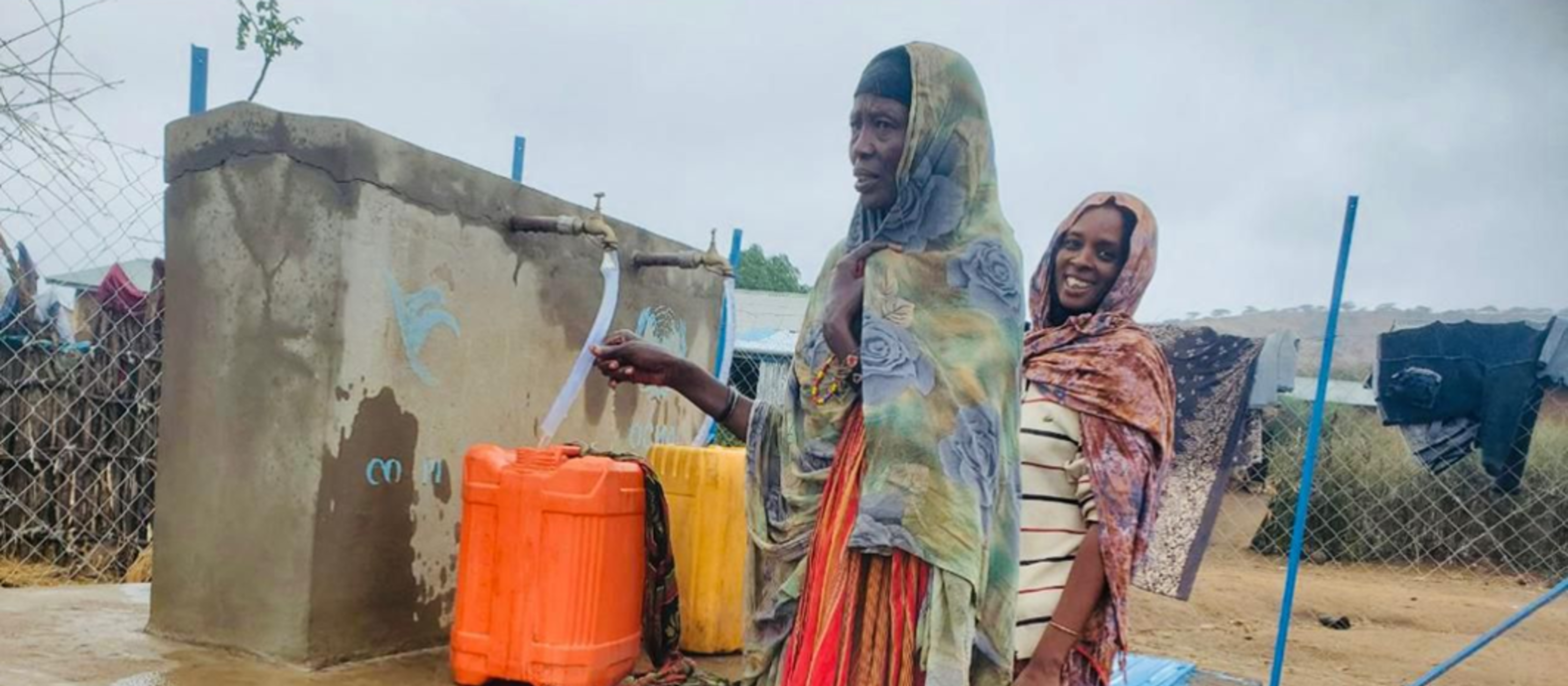
Ethiopia: Ensuring sustainable access to water for refugees
The Borena zone in southern Ethiopia is repeatedly ravaged by ethnic conflicts and natural disasters such as drought, flooding, and crop failures. This has led to massive displacement. Despite the long existence of the Dillo Magala and Dire Megado refugee camps, there is still a lack of the necessary infrastructure to meet the basic needs of the residents. Thanks to the previous project p250026, there are now functioning water systems in both camps. The task now is to ensure the sustainability of the newly installed water and solar infrastructure.
Overview
Humanitarian Aid
50'911 Swiss francs
01.01.2026 - 31.12.2026
Oromia Region, Borena Zone
13'584 people (the entire population in and around the Dire Megado and Dillo Magala refugee camps)
p260024
Project in detail
Ethiopia is the second most populous country in Africa and is currently facing a number of complex humanitarian challenges in various regions. The Oromia region, particularly Borena in the far south of Ethiopia, is repeatedly plagued by ethnic conflicts and natural disasters such as drought, flooding, and crop failures.
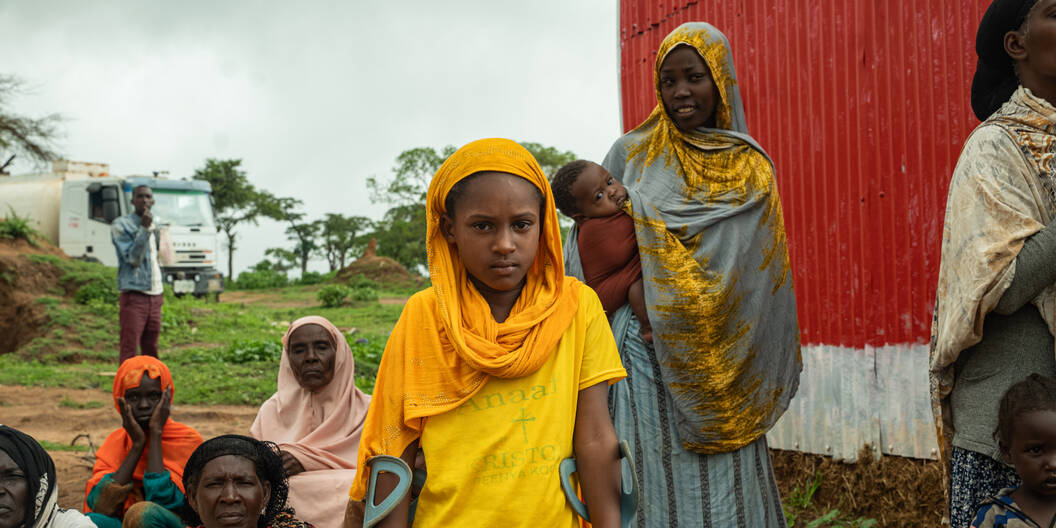
These ongoing conflicts and extreme weather conditions have not only destroyed the livelihoods of the population, but have also led to massive displacement within the region and refugee movements across borders. The Dillo Magala and Dire Megado refugee camps are home mainly to Kenyan refugees who left their homeland decades ago.
Despite the long existence of the refugee camps, there is still a lack of the necessary infrastructure to meet the basic needs of the residents. Until a few months ago, the residents in the camps had no access to functioning water systems. Thanks to the previous project p250026, which was implemented by Caritas and financed by UNHCR, there are now functioning water systems in the camps that are operated by a solar pump. The task now is to ensure the sustainability of the newly installed infrastructure.
The following activities will ensure sustainable access to water and a reliable water supply for refugees and host communities in Dillo and Megado.
- By installing water meters and calculating maintenance costs, fees are charged based on water consumption. The project will cover the fees for the first four months. In the long term, the financial capacities of the refugees will be strengthened through a parallel income-generating project so that they can cover these fees themselves during the course of the project.
- Water quality is monitored through regular testing and ensured through chlorination.
- In order to create a functioning operation and maintenance system, the Water User Associations will receive targeted training and will be accompanied on site during the first few months for regular checks and repair work. The project will provide maintenance tools and spare parts for routine and preventive maintenance.
- Infrastructure improvements such as protective frames for solar components, cable and sensor extensions, upgrading the solar backup system, and maintaining the generator house are being implemented to increase system resilience and efficiency.
This emergency aid project aims to improve the water supply and hygiene situation for refugees in the Dillo Magala and Dire Megado camps and the surrounding population in the long term.
Further projectsCommitment to a world without poverty

This project is financed by:
- UNHCR United Nations High Commissioner for Refugees
- Donations to Caritas Switzerland
Header image: Despite the long history of the two refugee camps, Dillo Magala and Dire Megado, there is a lack of infrastructure to meet the basic needs of the people living there. Caritas Switzerland is working to change this. © Caritas Schweiz