

Earthquake Emergency Non-Food Items and Food Assistancefinished
Overview
Emergency Non-Food Items and High-Energy Food Assistance for Earthquake-Affected Families in Kunar Province
7'956 swiss francs
16.01.2026 – 15.04.2026
Earthquake-affected districts in Kunar Province, Afghanistan
Earthquake-affected households, with priority given to womenheaded households, elderly persons, people with disabilities, single parents, pregnant and lactating women, and households with children under five.
P260026
Caritas Switzerland
Project in detail
Afghanistan is highly vulnerable to natural disasters, with earthquakes, floods, and droughts exacerbating long-standing socio-economic fragility. On 31 August 2025, a magnitude 6.0 earthquake struck eastern Afghanistan, with Kunar Province among the most severely affected areas. Thousands of households lost shelters, assets, and livelihoods, further deepening existing vulnerabilities linked to poverty, unemployment, food insecurity, displacement, and reduced humanitarian assistance.
The earthquake occurred in a context marked by weakened health services, damaged infrastructure, limited market access, and an influx of returnees from neighbouring countries. A rapid needs assessment conducted by local partners in September 2025 identified critical gaps in winter preparedness and nutrition, particularly for women-headed households, elderly persons, people with disabilities, single parents, pregnant and lactating women, and households with children under five.
Access constraints caused by landslides, aftershocks, and damaged roads further limit households’ ability to meet basic needs, making immediate and targeted humanitarian support essential to prevent negative coping mechanisms and further deterioration of living conditions.
To stabilize the living conditions of highly vulnerable, earthquake-affected households through timely winterization and nutritional assistance, addressing immediate survival needs and reducing protection and nutrition risks during the winter period.
- 30 households receive winterization support through the distribution of non-food items (winter blankets).
- 30 children under five and pregnant and lactating women receive high-energy food packages aligned with Food Security and Agriculture Cluster (FSAC) and WFP guidance.
- Supported households improve their ability to meet essential winter, food, and health needs.
- Protection risks are reduced through transparent targeting, safe distribution practices, and community-based accountability mechanisms.
Further projects Commitment to a world without poverty

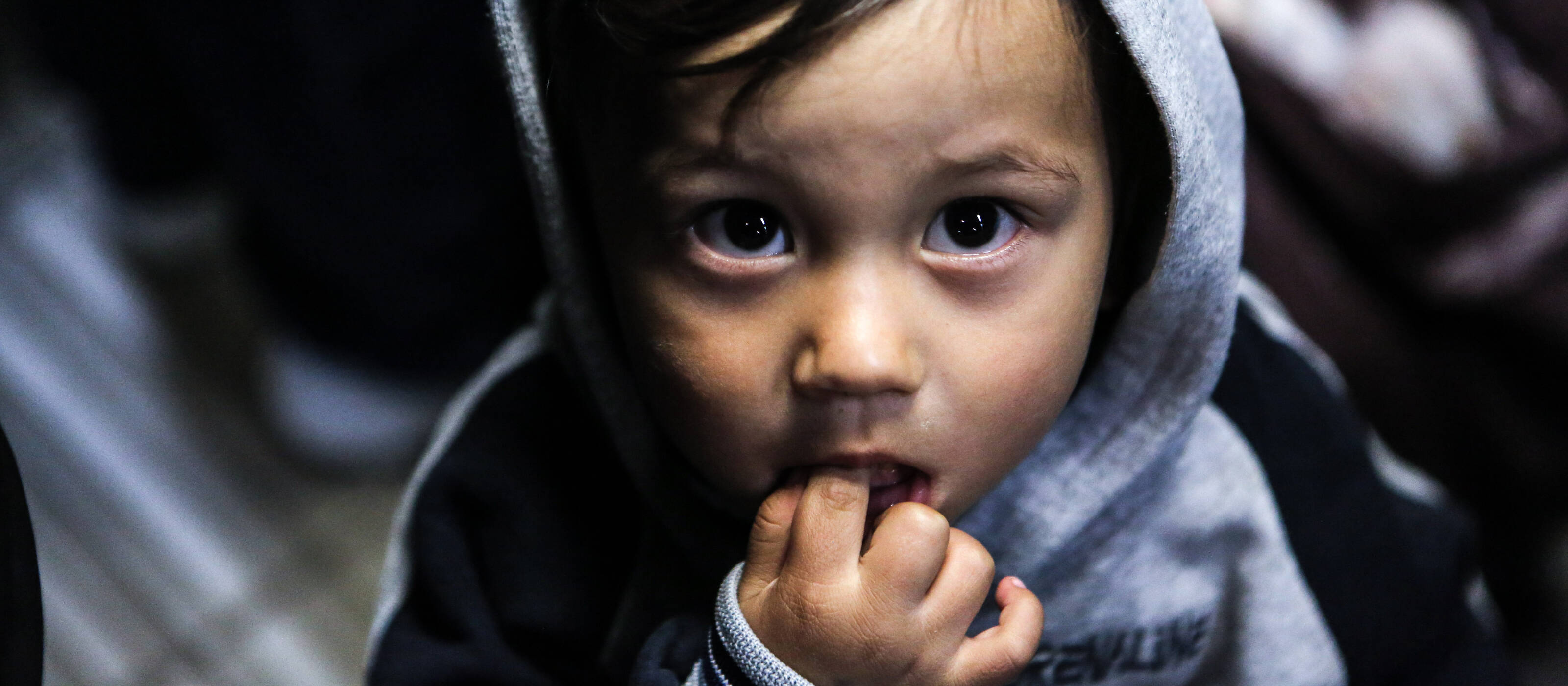
Header image: Children are among the most vulnerable groups. © Lefteris Partsalis