

Driving energy justice and green workforce development
Socially just and climate-resilient transition in Bosnia and Herzegovina is secured by reducing energy poverty, improving public health and energy efficiency and enabling green job creation through institutional empowerment, inclusive service delivery and local participation in the green economy.
This project promotes a fair energy transition by improving public health, reducing energy poverty, and creating green jobs for vulnerable groups. It strengthens local institutions, supports clean energy access, and advances skills training.
Overview
Climate Change, Health, Education, Income and Migration
1'656'710 swiss francs
Tuzla and Zenica-Doboj Cantons (Federation of BiH) and City of Bijeljina (Republika Srpska), possible expansion to other Cantons (Federation of BiH)
Urban and rural population, municipal administrations
P250037
SDC, Government of the Principality of Liechtenstein, Various municipal and cantonal administrations

Project in detail
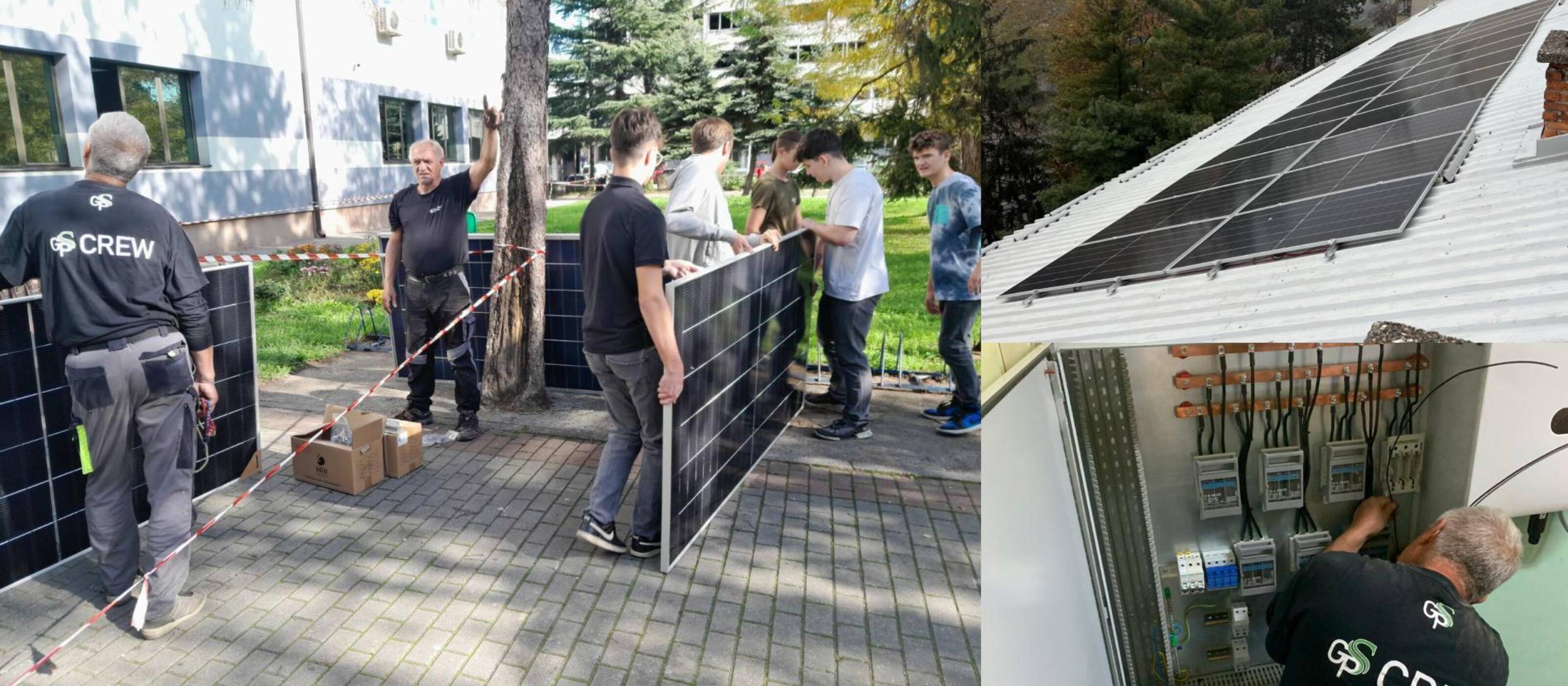
The current global crisis drives the need to address climate change and exponentially rising household energy costs more urgent than ever. Caritas Switzerland offers local institutional and civil society actors’ solutions to practically alleviate energy poverty while adapting to the consequences of climate change. The project offers innovative alternatives to the use of fossil fuels for heating public buildings, such as the use of geothermal or solar energy. Innovative refinancing approaches such as contracts with energy service providers provide a viable basis for achieving greenhouse gas emission reduction targets. Current crises such as the war in Europe, pandemics, and a shortage of skilled workers in Western Europe are exponentially accelerating the migration of qualified workers from Bosnia and Herzegovina. Without the necessary skilled workers, however, the successful implementation of the energy transition will not be possible. This project therefore also strengthens the efforts for practical and demand-oriented vocational training. Through intensive cooperation with the private sector, the attractiveness of working in the energy sector in Bosnia and Herzegovina is being increased and the pressure on the population to migrate is being counteracted.
Socially just and climate-resilient transition in Bosnia and Herzegovina is secured by reducing energy poverty, improving public health and energy efficiency and enabling green job creation through institutional empowerment, inclusive service delivery and local participation in the green economy.
The JUST4All project promotes a fair energy transition in Bosnia and Herzegovina by improving public health, reducing energy poverty, and creating green jobs for vulnerable groups. It strengthens local institutions, supports clean energy access, and advances skills training, aligning with national and Swiss development goals for an inclusive, climate-resilient future.
Imagine schools powered by solar energy, families living in healthier homes with lower energy bills, and young people building meaningful careers in the green economy. Bosnia and Herzegovina face rising energy poverty, aging infrastructure, and an urgent need for skilled workers.
JUST4All addresses these challenges with clean energy investments in schools, public buildings, and homes, supports local energy poverty strategies, and offers hands-on training for students and jobseekers. By fostering collaboration among municipalities, institutions, and communities, JUST4All creates sustainable solutions that improve lives and reduce emissions. This project embodies a just energy transition—designed with people at its core and driven by local action—paving the way for inclusive, green economic growth in Bosnia and Herzegovina.
Further projects Commitment to a world without poverty

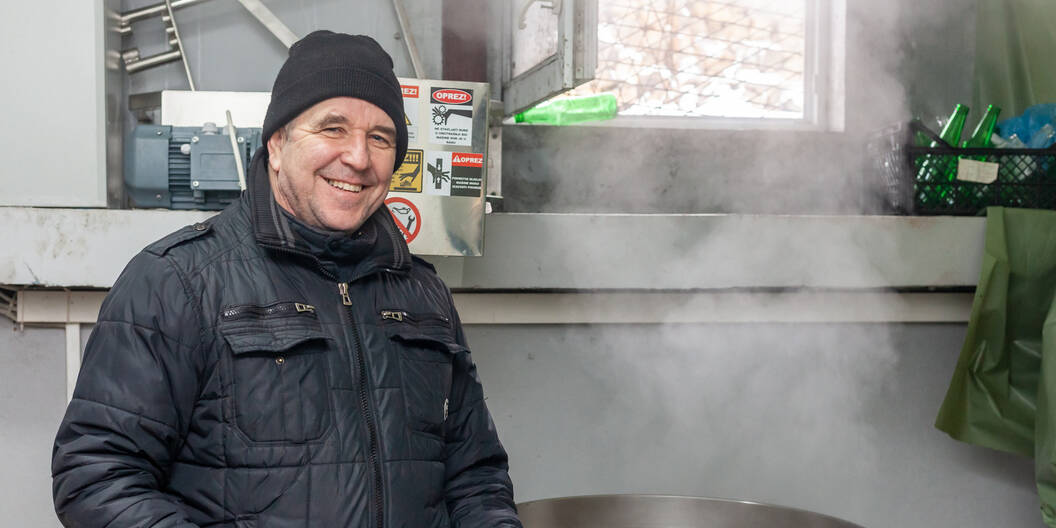
Header image: Driving energy justice and green workforce development © Caritas Switzerland in Bosnia and Herzegovina