

Community Driven Rural Development (CDRD)finished
Overview
DRM (disaster risk management)
531'528 swiss francs
15.10.2023 - 30.09.2025
Yei River County, Central Equatoria State
Members of the Community Development Committees (CDCs) and Disaster Risk Management Committees (DRM-Cs) in 3 bomas of Central Equatoria
P230051
SDC and Deutsche Gesellschaft für Internationale Zusammenarbeit (GIZ) GmbH

Project in detail
Over more than a decade since South Sudan gained independence from Sudan in 2011, progress toward a healthy and robust rural livelihoods sector and economy has remained slow. This stagnation is partly due to disruptions in the governance system caused by periods of insecurity but is even more significantly influenced by the lack of investment in agriculture, rural community services, infrastructure, and natural resource management. Efforts by the government and international organizations to identify and address the root causes of crisis situations have often resulted in programs that are designed and implemented with little or no consideration for the actual needs and preferences of the target beneficiaries. In response to this challenge, GIZ launched the CDRD project in 2022, aiming to enhance the implementation of community-driven and risk-informed income-generating measures for rural development. This initiative focuses on disaster risk management through a participatory approach in three pre-selected bomas of Central Equatoria, ensuring that local communities are actively involved in shaping sustainable and resilient solutions.
The project aims to support communities in better managing and mitigating their specific risks. Through its local partner organization OFAO, Caritas Switzerland will enhance the capacities of selected rural communities for comprehensive disaster risk management. These communities will receive training and a platform to identify and prioritize their needs, develop their own action plans, and propose activities to mitigate risks. This approach ensures that local populations play an active role in strengthening their resilience and shaping sustainable solutions to the challenges they face.
The project places great emphasis on the active involvement of local rural communities, enabling them to identify their own problem situations and pinpoint “hot spots” related to potential disasters. It will collaborate with previously established Community Development Committees (CDCs) and Disaster Risk Management Committees (DRM-Cs), each with distinct responsibilities: while the CDCs focus on developing community projects, the DRM-Cs are tasked with identifying risks and hazards and formulating mitigation measures.
Activities will include supporting committee members in drafting bylaws and regulations, as well as strengthening their competencies in their roles as local leaders and grassroots representatives. Additionally, multi-sectoral disaster risk analyses will be conducted, and methods for identifying hazards and risks will be discussed, with a strong emphasis on empowering communities to understand, prevent, and mitigate risks.
The committees will be equipped to develop a comprehensive disaster risk management strategy, identify support needs, create action plans, and determine appropriate mitigation measures. To address capacity gaps, specific trainings will be provided, alongside targeted support for implementing the identified measures, ensuring a more resilient and proactive approach to disaster risk management at the community level.
Further projects Commitment to a world without poverty

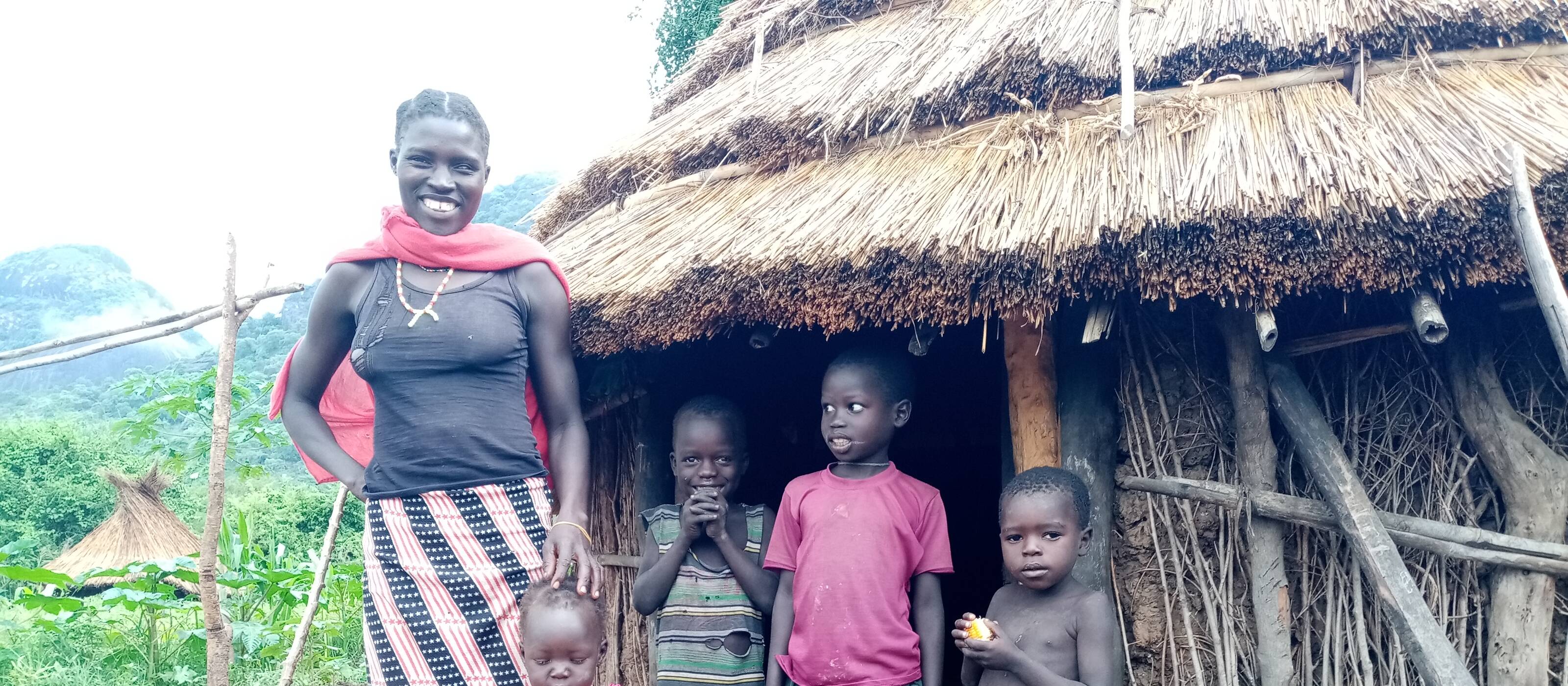
Header image: Since independence from Sudan in 2011, the population of South Sudan has been struggling with a stagnating economy. © Tobby Gonda Duku