

Cash Assistance in Re-emerging Markets (CARMA VI)
Overview
Humanitarian Aid
2'771'300 swiss francs
16.07.2026 - 15.07.2026
Aleppo, Homs, Hama, Rural Damascus, Dara’a, Sweida
16’435 vulnerable Syrians
P260039
European Union Civil Protection and Humanitarian Aid (ECHO)*, Caritas Austria, SDC



*This is funded/co-funded by the European Union. Its contents are the sole responsibility of Caritas Switzerland and do not necessarily reflect the views of the European Union.
Project in detail
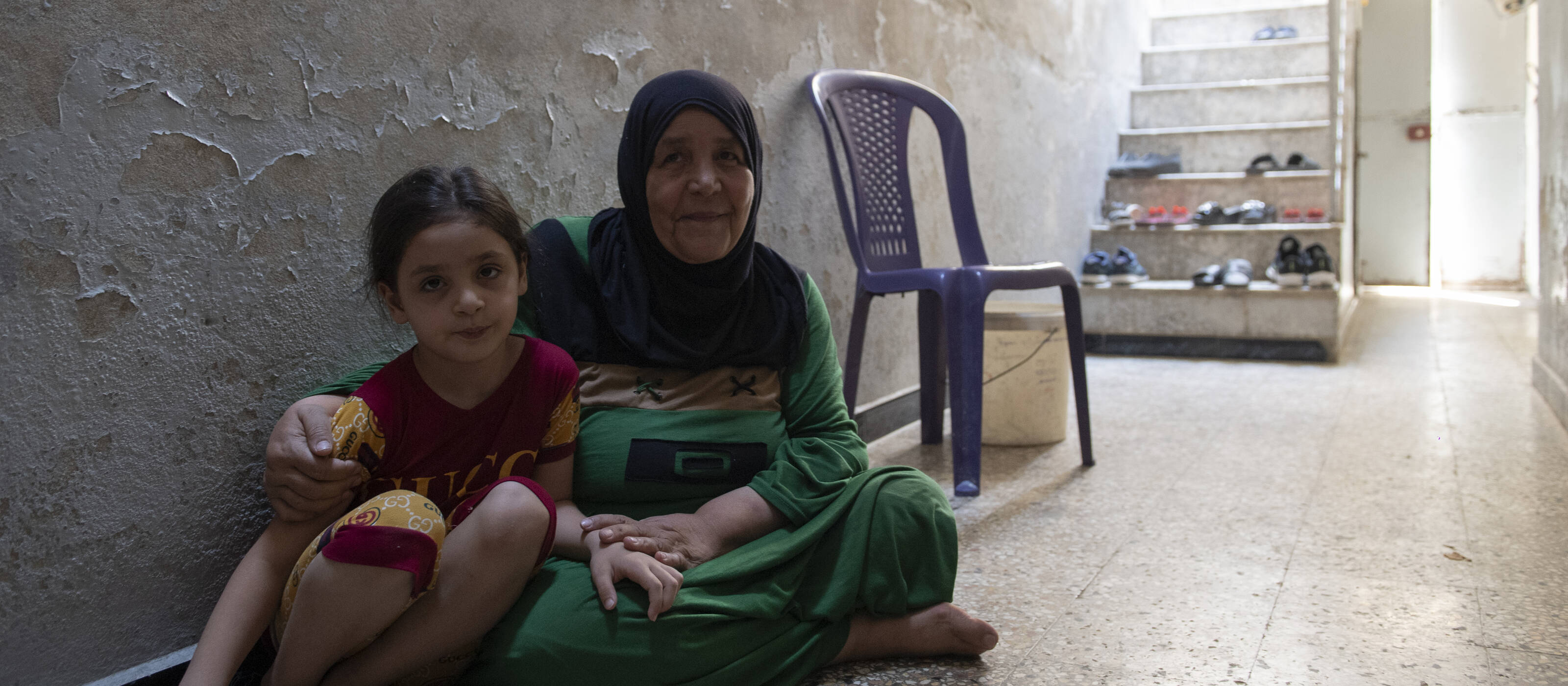
Syria continues to face one of the world’s largest and most complex humanitarian crises, with 16.7 million people estimated to be in need of humanitarian assistance. According to the Syria Humanitarian Needs Overview 2025, years of conflict, displacement, economic decline, and the deterioration of basic infrastructure have severely eroded household resilience and left millions unable to meet their essential needs.
Economic hardship remains a key driver of vulnerability. Rising living costs, inflation, limited livelihood opportunities, and reduced purchasing power have placed immense pressure on households, forcing many families to prioritize food and other immediate survival needs at the expense of healthcare, education, housing, and debt repayment. Food insecurity remains widespread, while access to safe shelter, water, sanitation, healthcare, and other basic services continues to be constrained across large parts of the country.
At the same time, millions of internally displaced people, returnees, and other vulnerable households face significant barriers to restoring sustainable livelihoods and recovering from repeated shocks. These challenges are compounded by persistent protection risks, especially for women, children, older persons, and persons with disabilities, as well as by the increasing use of negative coping strategies driven by economic necessity. Together, these factors continue to undermine households’ ability to cover their basic needs and maintain a minimum standard of living.
To address the severe humanitarian needs and increasing vulnerability of crisis-affected populations in Syria, the project aims to strengthen the resilience and protection of vulnerable households through integrated cash assistance, protection services, and shelter support.
The intervention will provide life-saving and life-sustaining assistance to 16,435 individuals through Multi-Purpose Cash Assistance, while also offering specialised protection services and targeted shelter support to households facing acute vulnerabilities.
Recognising that humanitarian needs often extend beyond a single intervention, the project will further connect vulnerable families to complementary services and assistance through a comprehensive referral mechanism.
The project will improve the ability of vulnerable internally displaced persons, returnees, refugees, and host community households to meet their basic needs, protect their well-being, and strengthen their resilience through an integrated package of cash assistance, protection services, and shelter support.
By providing Multi-Purpose Cash Assistance, vulnerable families will be able to prioritise critical expenditures such as food, rent, healthcare, water, and other essential needs according to their individual circumstances.
Specialised protection services, including case management, psychosocial support, and referrals, will help individuals facing protection risks access tailored assistance and specialised services.
In Aleppo Governorate, vulnerable households living in damaged or unsafe shelters will receive support to rehabilitate their homes, improving safety, privacy, dignity, and protection outcomes while reducing exposure to health and environmental risks.
Through the project’s strengthened referral mechanism, beneficiaries will also be linked to complementary humanitarian and recovery interventions, contributing to longer-term resilience beyond the direct assistance provided by the project.
Further projects Commitment to a world without poverty

Header image: © Hasan Belal