

Building a Climate Resilient, Inclusive and Sustainable Forest Coffee Value Chain
In Ethiopia's Bale Zone, climate change, deforestation, and a lack of access to fair markets are threatening the livelihoods of smallholder farmers who depend on the cultivation of wild forest coffee. Together with its local partner organizations, Caritas Switzerland promotes sustainable and climate-resilient value chains, improves incomes together with affected families, and at the same time contribute to protecting a forest ecosystem that is unique in the world.
Overview
Climate, Income (PSE)
709’835 swiss francs
01.01.2026 – 31.12.2028
Bale, Oromia, Ethiopia
1’380 farmers and their families
P260023
Danida green business partnerships; Swiss Agency for Development and Cooperation SDC


Project in detail
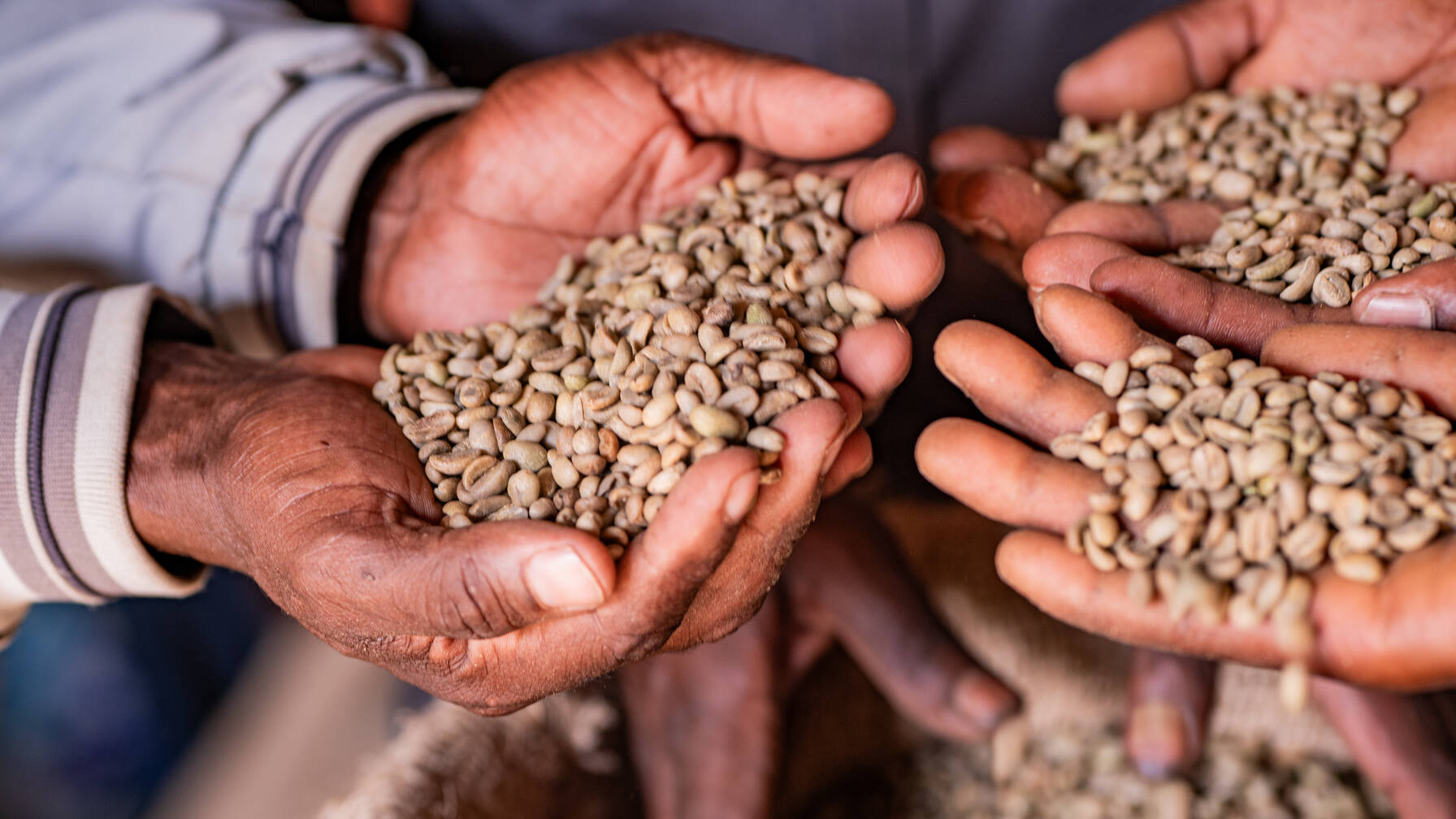
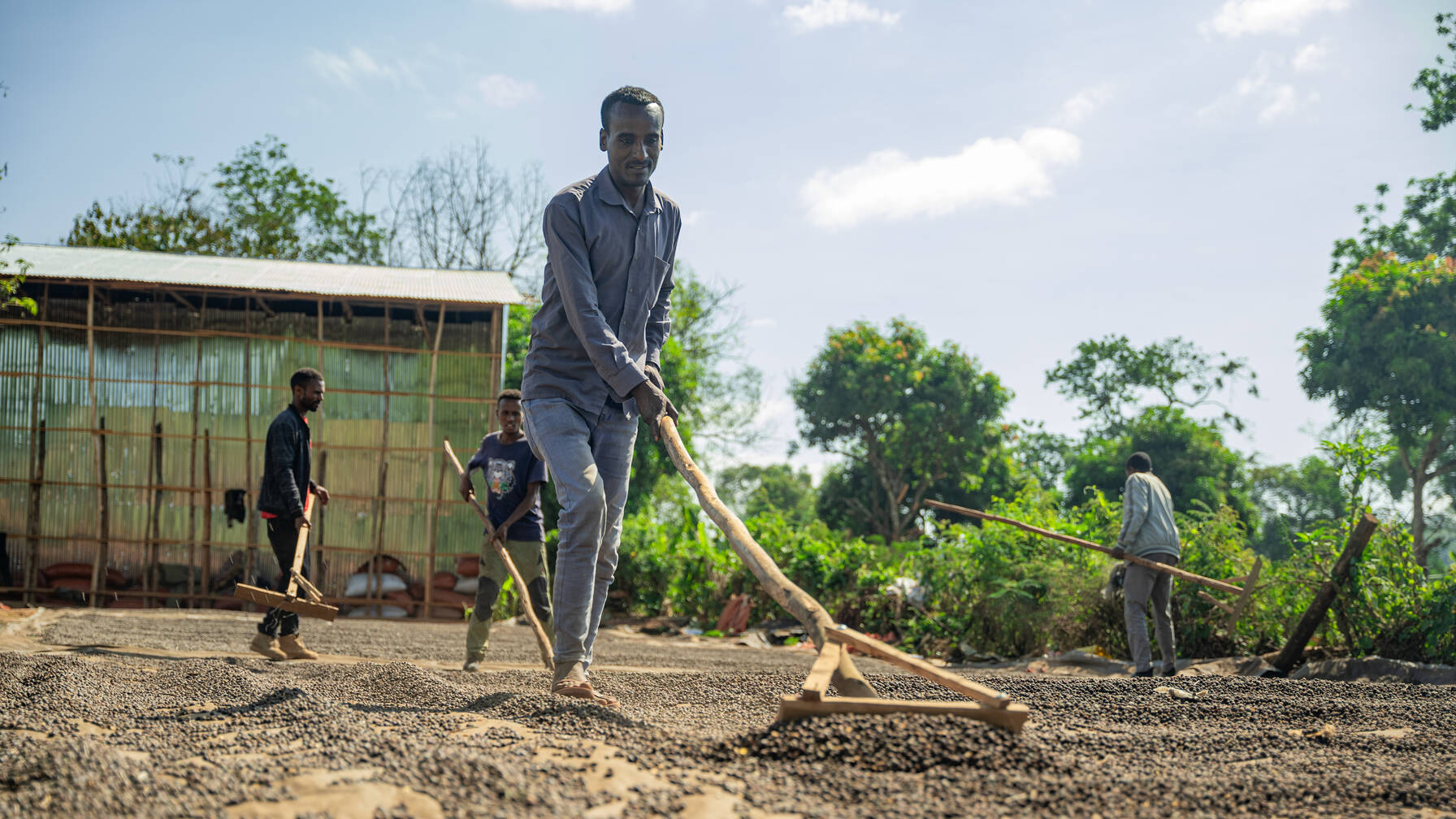
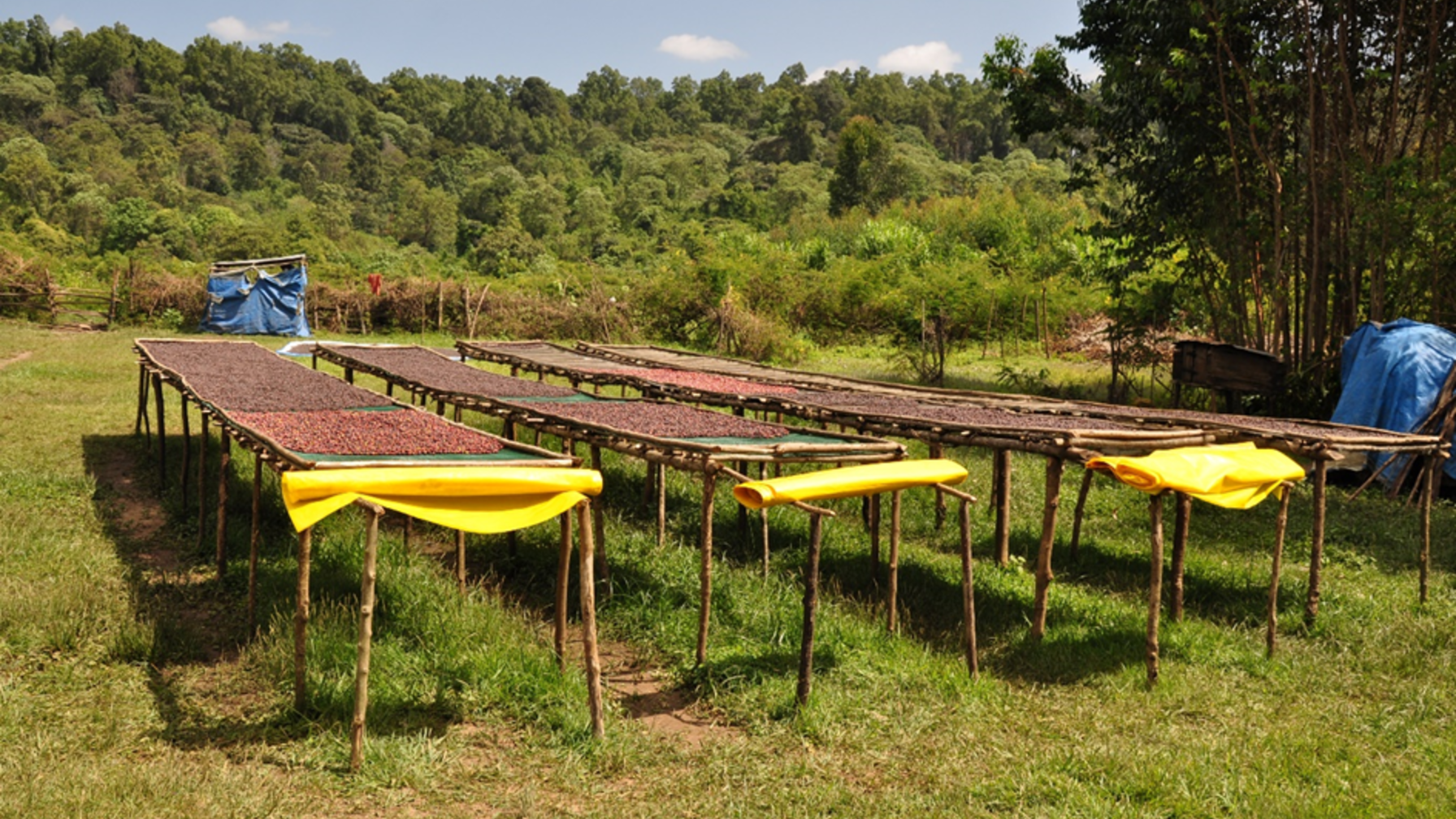
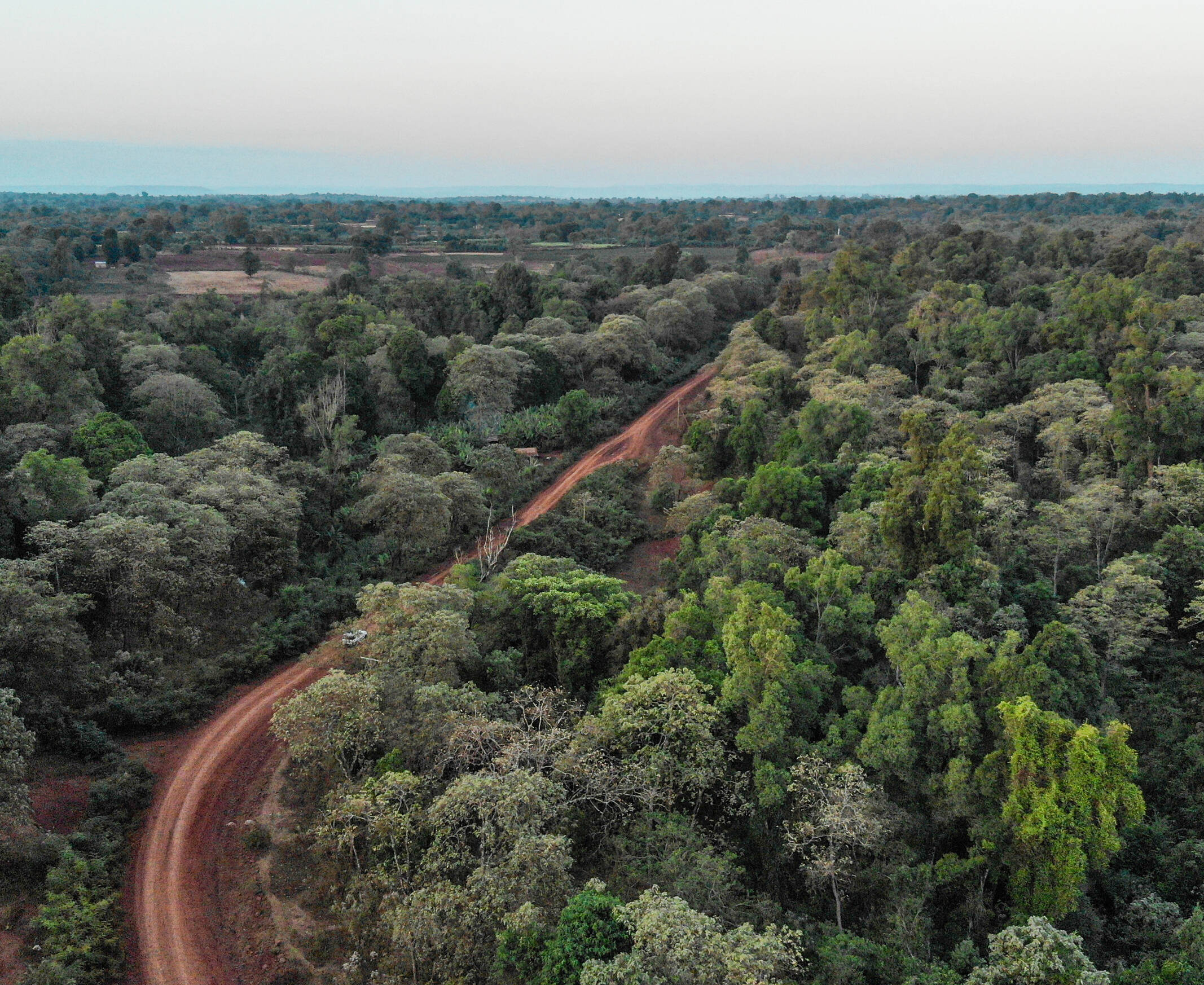
Ethiopia's Bale Zone represents one of the world's last remaining wild coffee ecosystems, where 1,380 smallholder farmers cultivate coffee within the buffer zones of the Harena Forest. These communities face mounting challenges as climate change accelerates across the region. Rising temperatures and declining rainfall patterns threaten coffee production viability, with projections indicating significant declines in coffee suitability by 2070. Simultaneously, deforestation pressures have intensified, with the Bale Mountain Eco-Region losing 123,000 hectares between 1985 and 2015. Farmers currently receive flat rates regardless of their coffee quality and lack access to premium markets, limiting their economic resilience. The convergence of climate impacts, forest degradation, and limited market access creates particular vulnerability for farming households dependent on coffee income, while threatening the biodiversity of this globally significant ecosystem.
The overarching development objective of the “Beyond Bale Wild” project is to foster climate-resilient, inclusive, and sustainable livelihoods for smallholder farmers in Ethiopia’s Bale region, while safeguarding one of the country’s ecologically most significant forest ecosystems. Through a business-driven approach, the project aims to reduce poverty, enhance climate adaptation, and promote biodiversity conservation by establishing and scaling certified agroforestry value chains.
The project pursues three interlinked goals:
- Support climate change adaptation by implementing targeted measures informed by landscape-level climate consultations, strengthening community resilience;
- Achieve landscape-level impact by leveraging the development of a complementary, high-potential agroforestry value chain—Macadamia—alongside wild coffee, enhancing income opportunities while contributing to the adaptation framework through forest and biodiversity conservation and climate-resilient land use;
- Reduce poverty through inclusive market development by promoting participation in the organic and Fairtrade-certified wild coffee value chain from Bale.
The Beyond Bale Wild project aims to strengthen the resilience of Bale’s communities against climatic change and poverty by integrating the three pathways of enhanced livelihoods, ecological restoration, and economic viability. At its core, the Theory of Change envisions that climate-adapted livelihoods, healthy ecosystems, and viable business models are mutually reinforcing, creating a cycle in which conservation sustains livelihoods and market value, while income opportunities motivate stewardship of natural resources.

For Ethiopia’s Forest Coffee
Working together to promote coffee value chains, boost incomes, and protect this globally unique forest ecosystem.
Further projects Commitment to a world without poverty

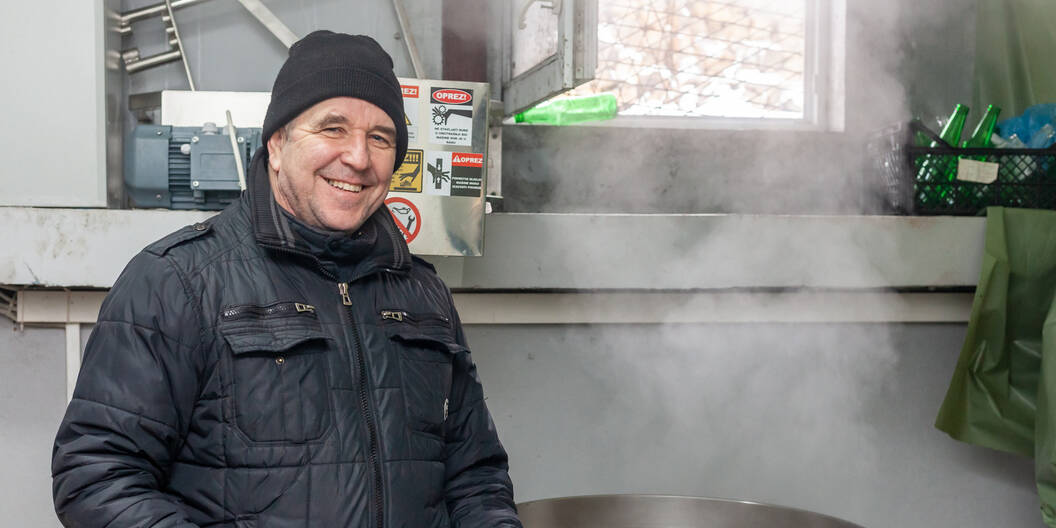
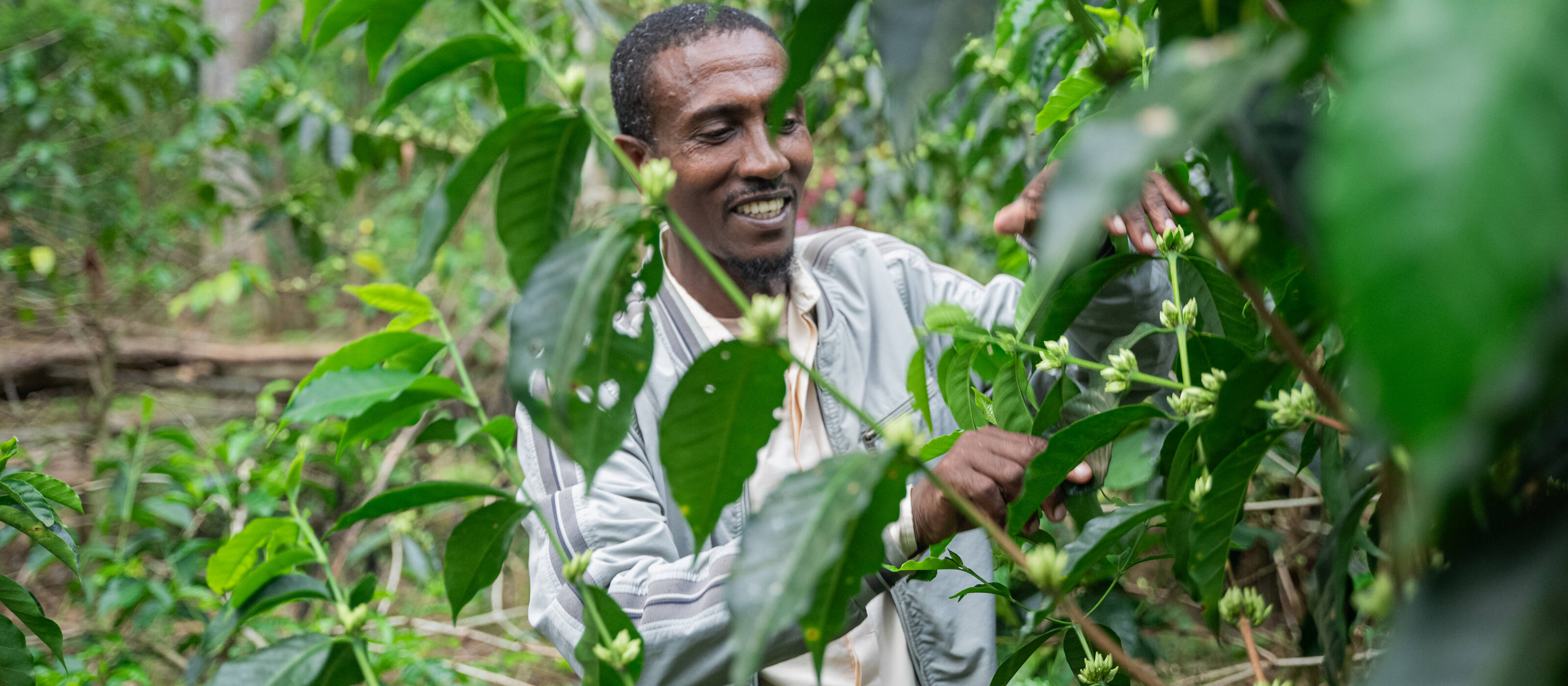
Header image: Through the Beyond Bale Wild project, we are helping to strengthen the resilience of communities in the Bale region against climate change and poverty. © Ayaana Publishing