Better living Conditions for Venezuelan Refugees - EUROPANA IVfinished
Project in detail
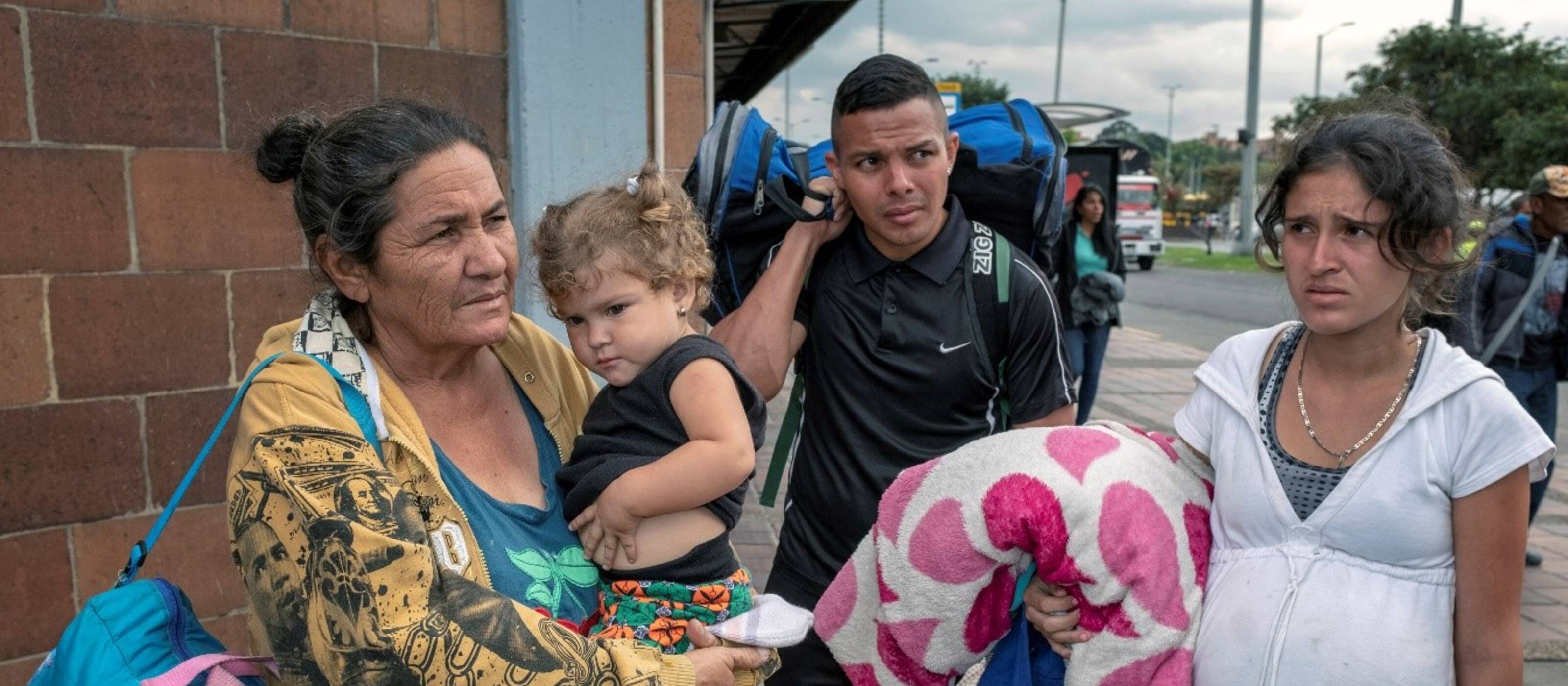
Venezuela has been in a deep political and humanitarian crisis since 2015. In what was once the richest country in South America, 80% of the population is now poor. Years of mismanagement have left people unable to meet their basic needs, malnutrition is high and health care is in a catastrophic state. This has led to the largest wave of migration in the history of Latin America. According to UNHCR data (as of May 2023), over 7,3 million Venezuelans have left their country. Colombia has taken in the most refugees with over 2,48 million, followed by Peru (1,52 million), Ecuador (502'200), Chile (449'700) and Brazil (444'400). The migration wave is overburdening the institutional and financial capacity of the receiving countries. The refugees live under very difficult conditions. Tens of thousands of migrants have no shelter and no income. In addition, the Covid19 pandemic and the harsh lockdowns in the host countries have hit the refugees hard, causing them to lose what little they have built up, in addition to the health risks. To make matters worse, the global impact of the war in Ukraine on food security is now also being felt by Venezuelan refugees, further exacerbating their plight.
The regional project contributes to improving the living conditions of vulnerable people in Colombia, Brazil and Peru. Critical humanitarian gaps are closed, and the coverage of basic needs is improved, especially in the area of food security and access to water. The integration of vulnerable Venezuelans in host countries will be supported and informed about access to their rights. The protection of the migrating population will be increased with the help of campaigns to educate them about the conditions of migration, as well as the risks of flight.
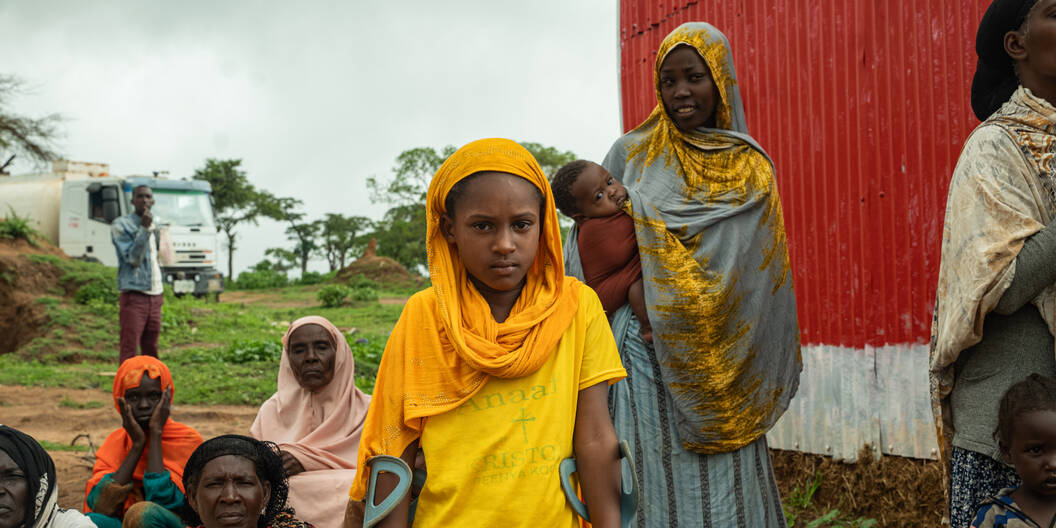
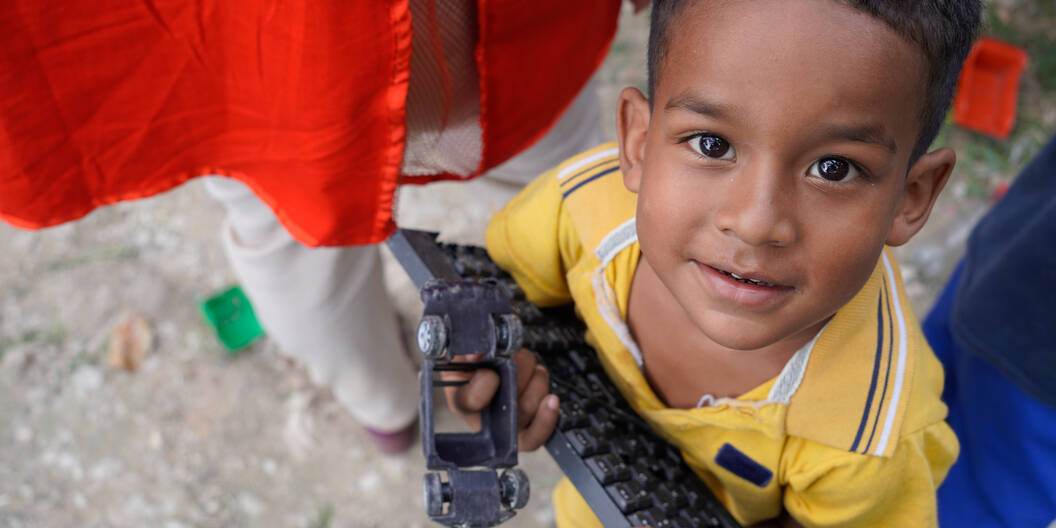
In particular, women, children and young people, indigenous population groups, people with disabilities and older people are target groups of the project activities; also internally displaced persons in Colombia, due to the armed conflict in that country.
In order to meet the basic needs of the beneficiary migrants and, above all, to improve their food security, the distribution of cash (cards), food parcels or vouchers and prepared meals is foreseen. The combination of financial support and direct food assistance enables individuals and families to stabilise themselves better socio-economically.
Refugees in transit too can use the money for their onward journey and thus increase their protection against human trafficking, violence, or attacks. Furthermore, shelters along refugee routes, targeted counselling on their rights and information campaigns on migration conditions and risks help beneficiaries to better protect themselves and integrate.
The regional project is located in the thematic fields of «migration» and «humanitarian aid» and focuses on the topics of protection and meeting basic needs. These include access to food and water, shelter, legal counselling, psycho-social support, and information on migration routes. The project works according to the sector principle of humanitarian aid and is embedded in the regionally coordinated support programme of the United Nations.
Facts and figures
Migration, humanitarian aid
3'871'028 Swiss francs
Colombia (La Guajira, Chocó, Antioquia, Norte de Santander, Nariño); Brazil (Rondônia, Roraima, Acre, Amazonas. Mato Grosso); Peru (Puno); Venezula (Zulia, Apure, Bolivar)
28'335 people, especially women, children, indigenous people, people with disabilities, older people, and internally displaced people, as well as people in need from host communities.
Further projects Commitment to a world without poverty

This project is financed by:
- SDC
- EU*
*This is funded/co-funded by the European Union. Its contents are the sole responsibility of Caritas Switzerland and do not necessarily reflect the views of the European Union.