

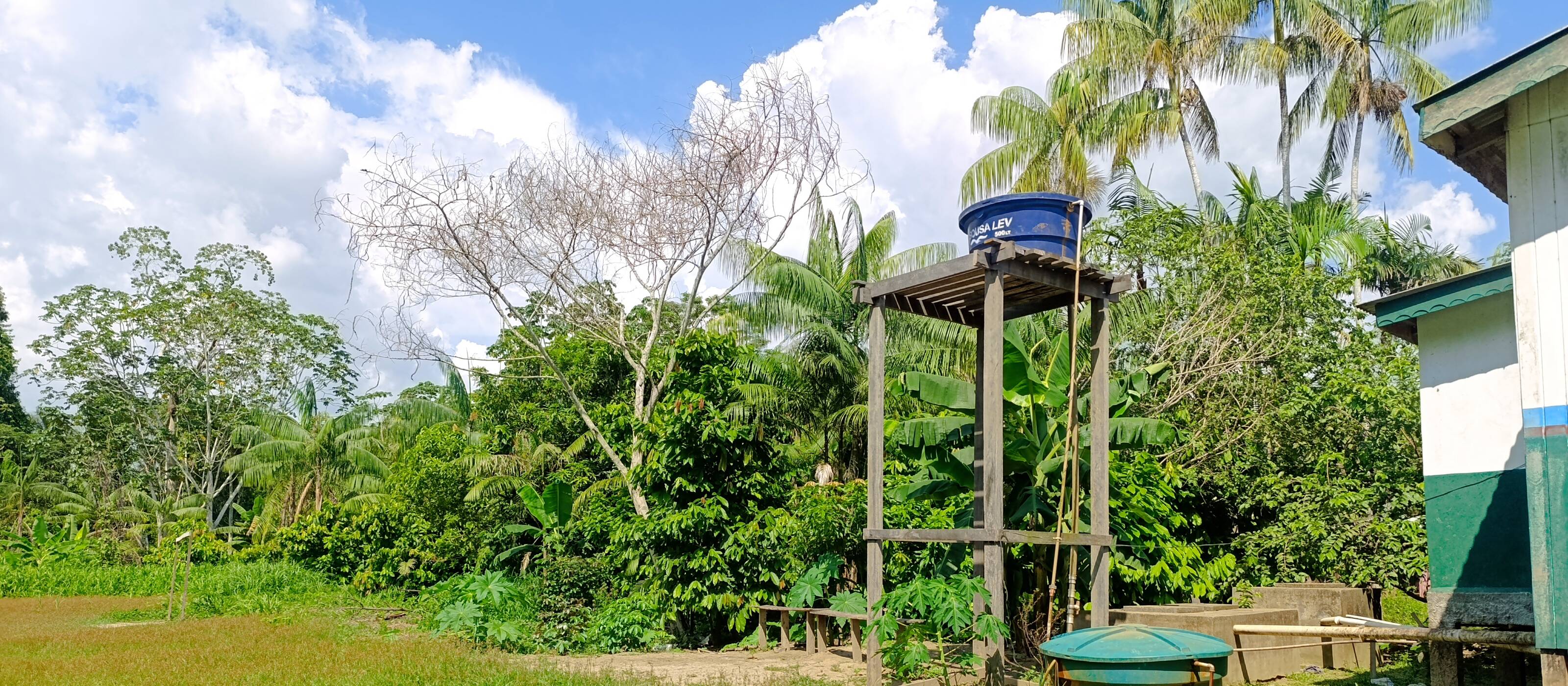
The Amazon Is Drying Up
Water levels in the rivers of the Brazilian Amazon are falling, putting pressure on indigenous and traditional communities. A Caritas project has improved access to clean water for more than 40'000 people – but the structural challenges remain enormous.
For the people of the Amazon, the river is far more than just a body of water: it ensures the supply of drinking water, provides food, and is the most important transportation route. Many villages are several days – sometimes weeks – away by boat from the nearest town. When river water levels drop, this has serious consequences for the affected communities.
«The historic drought in October 2023 was severe. Numerous river communities were suddenly isolated, fish and dolphins died in droves, and many families lost access to clean water overnight,» says Sérgio Costa Floro, former country director of Caritas Switzerland in Brazil. «We’ve never experienced anything like this before.»
A Region In A State Of Emergency
Before the operational launch of the Caritas Switzerland project, situation assessments painted an alarming picture: defective or inadequate water systems forced families to use contaminated river water. Cases of diarrhea – especially among children – increased sharply. Health facilities were overwhelmed, and numerous villages were difficult to reach for weeks. Costa Floro says:
«When rivers dry up, people don’t just lose water – they lose their lifeline and their connection to the outside world.»Sérgio Costa Floroformer Country Director for Brazil
Climate change is exacerbating this dynamic. Droughts are becoming longer and more extreme, and traditional ways of life are coming under increasing pressure. The situation is particularly dire for indigenous and traditional communities, Costa Floro emphasizes: «Those who protect the forest best and depend on it the most suffer the most from its destruction.»
40'000 people now have access to clean water again
Over the past three years, Caritas Switzerland, together with UNICEF Brazil and Serviço Pastoral dos Migrantes (SPM), has implemented a water and health project in hard-to-reach river regions in the southern Amazon. In dozens of communities, water systems were repaired, expanded, or rebuilt. In many places, rainwater harvesting is now being used for the first time – a simple, cost-effective, and climate-resilient solution.

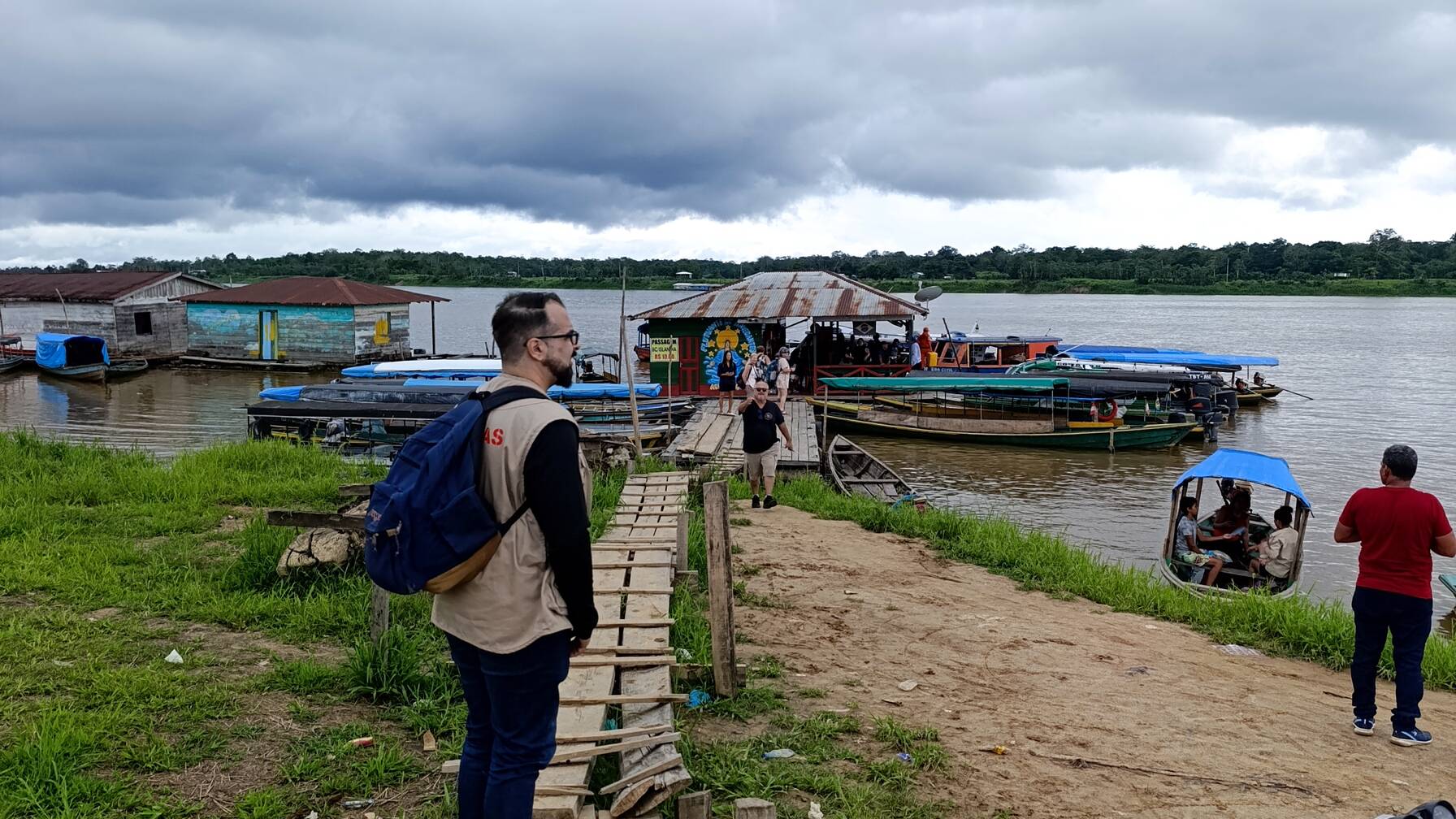
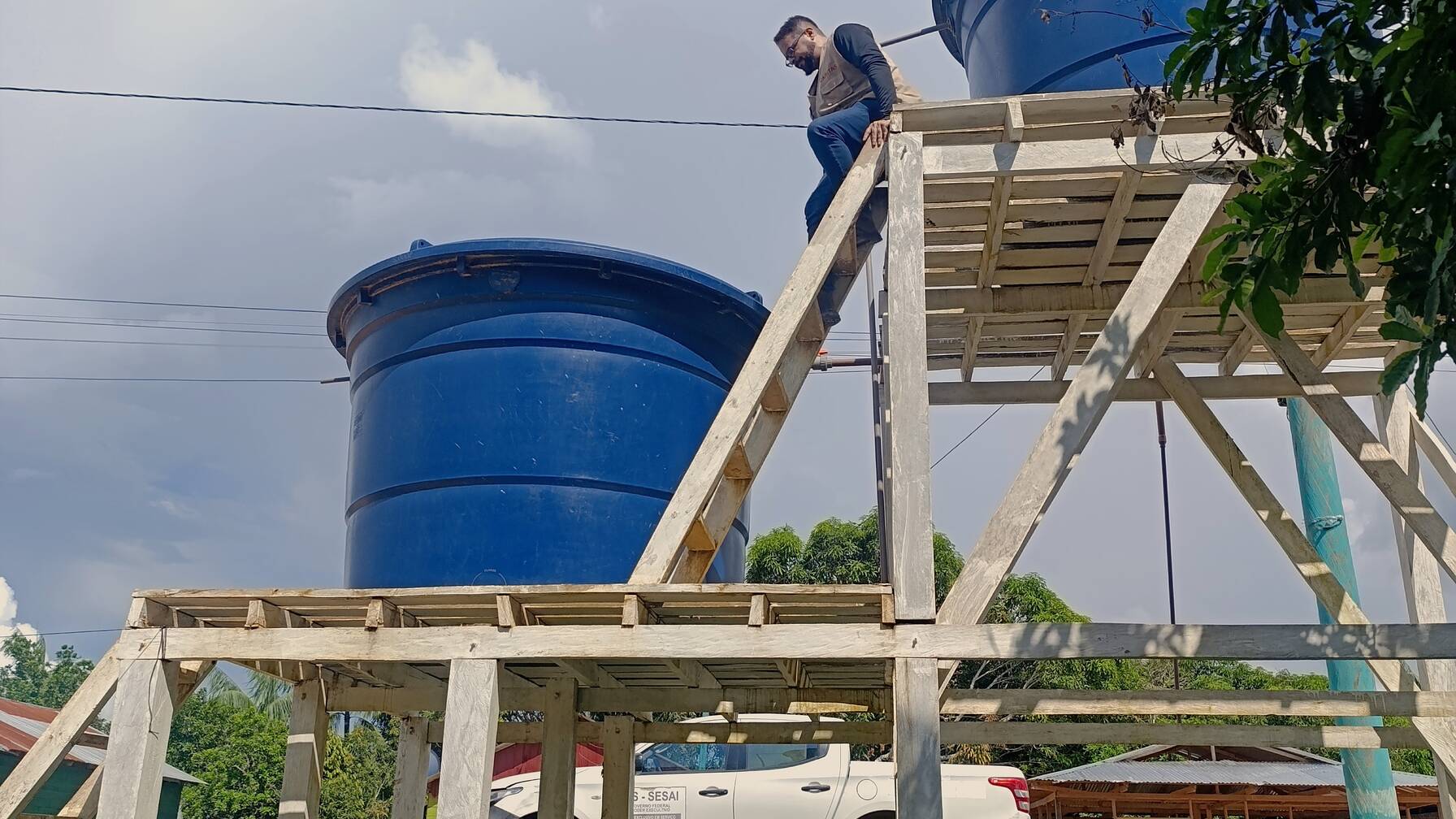
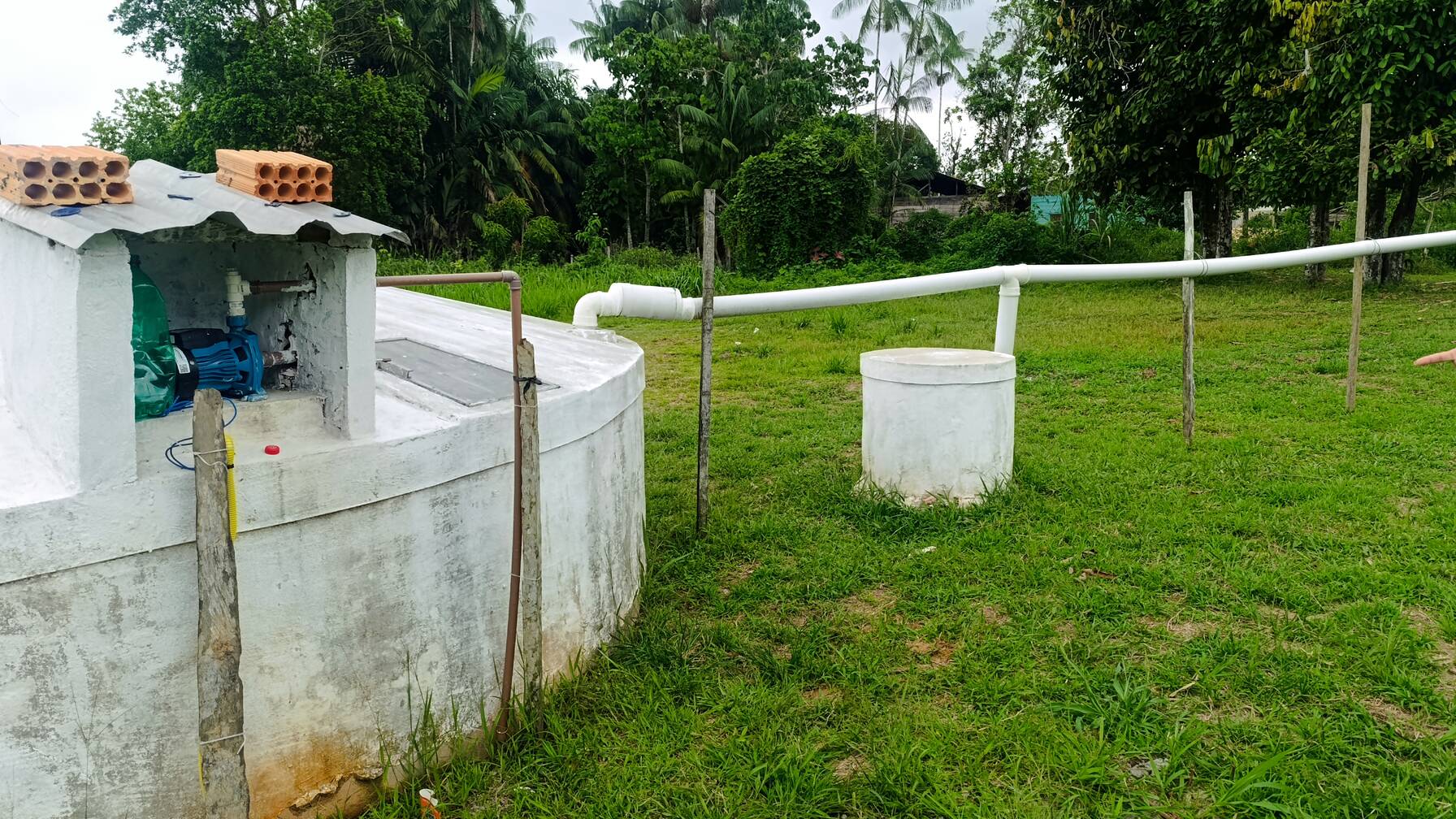
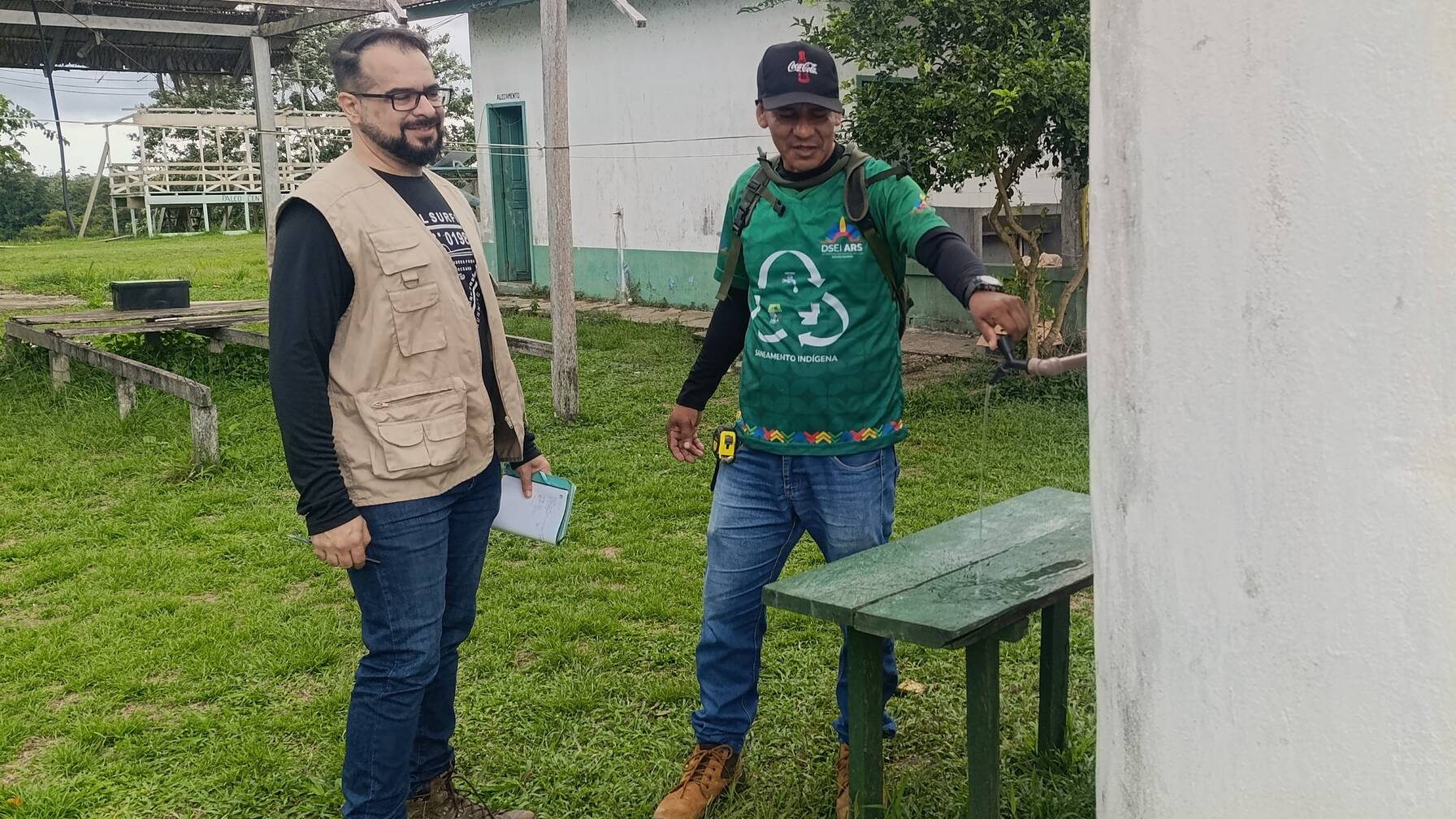
At the same time, the project strengthened local structures: community workers learned to operate and maintain the systems independently. Health workers were trained to detect diseases early and better protect children from them. More than 40'000 people now have reliable access to clean water again. Thousands of families were also supported with hygiene and menstrual hygiene kits.
A visit to the indigenous community of Nova Extrema left a particularly lasting impression on Costa Floro: «The community’s leader at the time, Francisco Martins, proudly explained the new rainwater system to me. For the community, it means security and dignity.» Moments like these demonstrate how effective tailored, locally rooted, and cost-efficient solutions can be. The project is supported by the SDC and the EU.
Droughts threaten to become the norm
Despite this progress, the situation remains tense. Extreme drought events like the one in 2023 could become the norm. Even in the years that followed, there was no lasting relief in the Amazon. Caritas Switzerland is therefore planning a follow-up project together with its partner organizations to further improve access to water and strengthen local structures.
In the long term, however, much more is needed: government investment in climate-resilient water infrastructure, improved water management, and reliable disaster preparedness. «If the Amazon dries up,» says Costa Floro, «it’s not just about the environment – it’s about human lives.»
Written by Daria Jenni, Media Spokesperson for Caritas Switzerland
We are happy to arrange interviews and answer media inquiries: medien@caritas.ch
Further information
Header image: Collecting rainwater to help people get through longer dry spells: This is one of the goals of the Caritas project in the Amazon. © Sabrina Mäder