

Strengthening the Resilience of Vulnerable Populations

Project Details
Chad, a landlocked country in Central Africa with around 18.5 million inhabitants, is facing increasing poverty – nearly half the population is affected, and more than 15% live in extreme poverty. Ranked 119th out of 125 countries on the Global Hunger Index, Chad suffers heavily from the effects of climate change, particularly in the agricultural sector, where most of the population is employed.
In addition, Chad is affected by regional instability, such as the conflict in Sudan, which has led to a large influx of migrants, placing further strain on already limited governance capacities.
The Batha province is especially impacted by recurring food and nutrition crises, worsened by irregular rainfall. Other challenges include intercommunal conflict, bushfires, flooding and rising food prices, all of which deeply affect local communities. The accumulation of structural and situational crises demands an effective response to improve the living conditions of food-insecure populations.
The REPAR project addresses the challenges in Batha province by integrating both humanitarian and developmental measures – in line with the Humanitarian–Development Nexus approach. In close collaboration with local actors and Chadian authorities, the project seeks to reduce poverty and dependency on external aid, while enhancing the resilience and food security of vulnerable groups.
A key focus lies on the empowerment and inclusion of marginalised communities, through the strengthening of local economic resilience and support in climate-related and humanitarian crises.
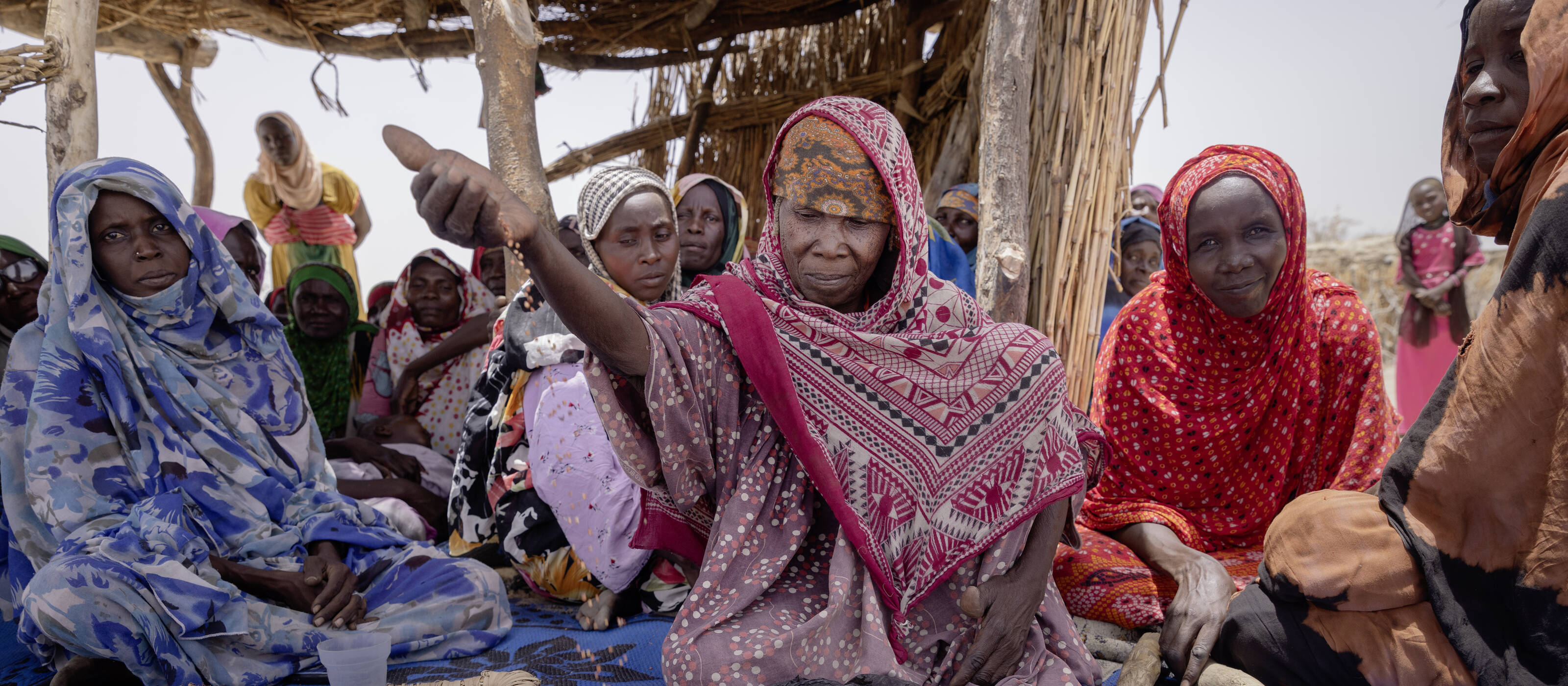
Caritas Switzerland has been committed to improving food security in the Batha region since 2019. In this second phase of the REPAR project, the goal is to sustainably secure the positive outcomes of the first phase. New initiatives are being developed to increase the incomes of vulnerable households, with a particular focus on the economic empowerment of women and youth. The project aims to ensure the active participation of all stakeholders in the development of local strategies and targeted activities to combat food insecurity, while at the same time strengthening their capacities, participation, and accountability.
Phase 2 includes a variety of mutually reinforcing activities that aim to enhance the resilience of the most vulnerable people and promote collaboration within communities. This includes the establishment of grain banks, which will make seeds locally available at affordable prices even during the dry season. Farmers will also benefit from training programmes on climate-resilient cultivation methods and techniques for natural regeneration (NRR). In addition, village savings and loan associations will be formed together with women, enabling them to manage their finances through financial education and local investment opportunities. To help prevent the worst impacts of crises during critical periods, the most vulnerable households will also receive cash assistance.
Further ProjectsCommitment to a World Without Poverty

Header image: The economic empowerment of women and young people is at the core of the project, ensuring food security and consolidating the achievements of the first project phase. © Reto Albertalli