

Bringing partners along a shared journey
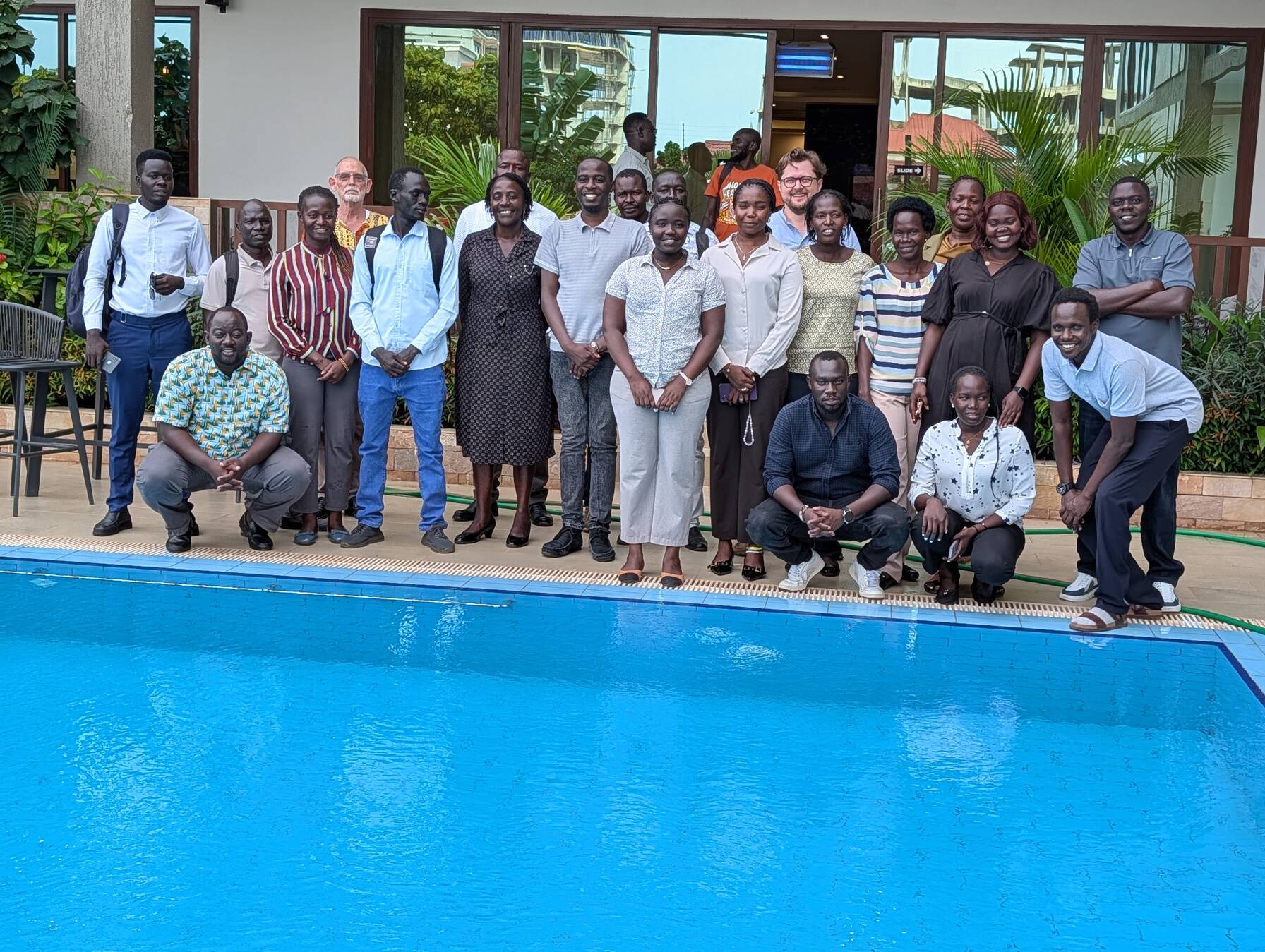
From April 28–30, 2026, the Sustainable Markets and Agribusiness Competitiveness Plus (SMAC+) Project held its inaugural Market Systems Development (MSD) training for staff, partners, and industry counterparts. The training brought together 25 participants from this diverse range of implementing organizations.
The SMAC+ Project in South Sudan is co-funded by the European Union under the Green and Resilient Economy (GRE) Programme, with additional support from the Swiss Agency for Development and Cooperation (SDC). The project focuses on catalyzing inclusive, climate-resilient economic growth by strengthening agricultural market systems and enabling private sector-led development in Eastern and Central Equatoria.
The training brought together 25 participants from a diverse range of implementing organizations working across both direct and indirect development approaches in South Sudan.

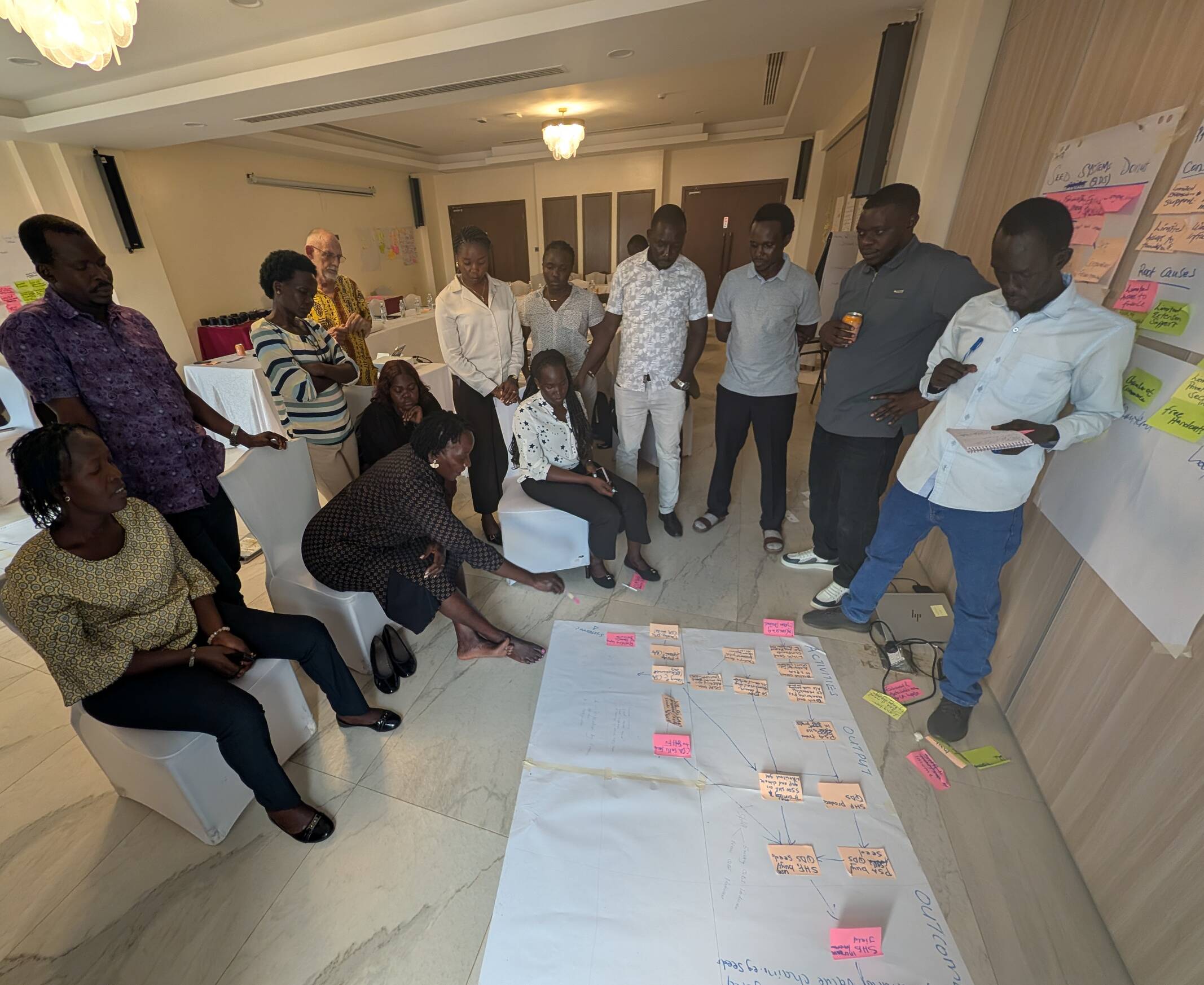
3 days, 25 participants
We were pleased to welcome representatives from the European Union, Mercy Corps, SNV, Titi Foundation, OFAO, FAO, the Association of South Sudanese Manufacturers, IFDC, Enterprise Incorporated, and GIZ.
A new curriculum for a more inclusive and locally led training
The primary objective of the MSD training was to provide all those involved in the SMAC+ Project with a refresher on the logic of indirect implementation and the role of a facilitator in a highly fragile and underdeveloped market system such as South Sudan. However, as we refined the agenda, we took the opportunity to rethink the curriculum — moving away from heavy MSD jargon, complex tools, and technical detail that can sometimes exclude non-practitioners. Instead, we made a deliberate and transparent choice to set expectations from the outset:
We do not expect anyone to be an MSD expert at the end of these three days, but we expect you all to walk out and understand the logic and hopefully be our champions within the EU’s GRE portfolio of work.
In addition to reshaping the training to be more inclusive, Caritas Switzerland also took the opportunity to practice what it preaches. Earlier this year, the organization reaffirmed its long-term commitment to Locally Led Action — also known as localization. This includes working more closely with local partners while also identifying and supporting local talent and technical expertise to drive the agenda and rebalance of power dynamics between implementers and donors.
To operationalize this, we issued a call for proposals to identify regional experts in MSD technical assistance and monitoring, evaluation, research, and learning (MERL) for systemic change.
Through a competitive selection process, we engaged three highly qualified practitioners with decades of experience across the African continent. The three experts were also engaged beyond the training itself to provide leadership coaching and technical support to the project’s MERL Officer and Intervention Managers.


Jackie Kitongo, MSD Technical Lead

Solomon Etany, MSD Technical Co-lead


Proscovia Namukwaya, MERL Technical Lead
Addressing challenges of MSD in South Sudan together
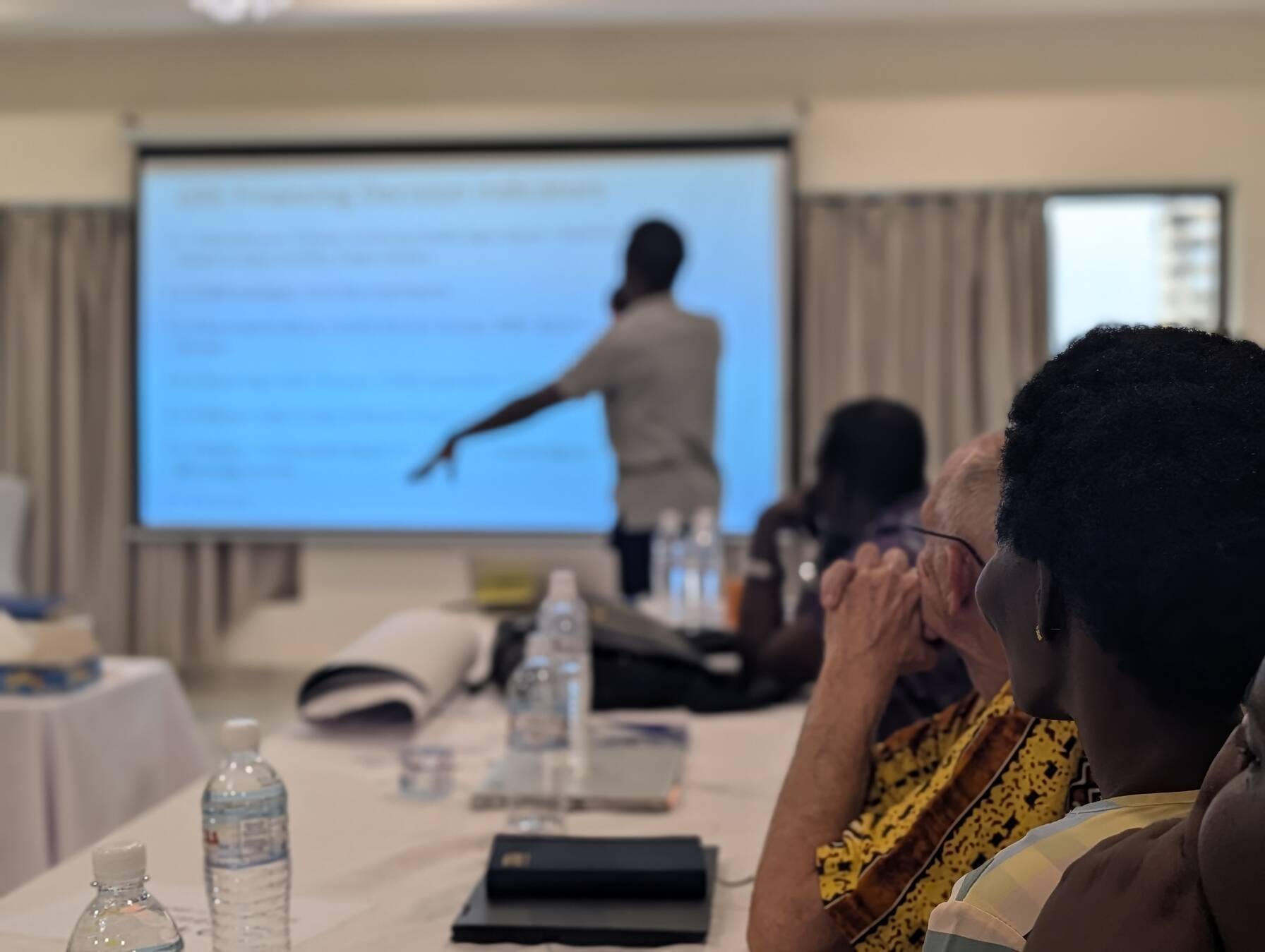
As the training progressed, discussions evolved and frequently branched in multiple directions. However, one clear trend emerged during informal check-ins: while participants were beginning to understand the MSD logic, many still had reservations.
During a plenary discussion, a representative from an external partner offered a candid reflection. They acknowledged that while the logic of working through systems and local private sector actors makes sense in theory, applying it in the South Sudan context felt nearly impossible.

This concern resonated with our own early experiences. When we piloted the SMAC Project in 2023 using Caritas Switzerland’s internal funds, our goal was simple: to test whether MSD could work in a context like South Sudan. The results were encouraging.
We established meaningful relationships with private sector actors and associations with policy influence. We observed that even in a thin market, supply and demand dynamics still functioned. And importantly, we built a reputation as a credible and reliable market actor.
Fostering a productive dialogue and identifying opportunities
As the three-day training concluded, we continued to actively involve partners in analyzing SMAC+ Project portfolios, creating space for external perspectives and validation of design assumptions. Four parallel sessions were conducted — focused on quality-declared seeds, natural resource management, peacebuilding, and honey—where Intervention Managers led discussions on market constraints, potential interventions, Do No Harm considerations, and anticipated systemic changes.
Participants working in complementary sectors began to recognize how seemingly straightforward challenges—such as access to quality seeds— could be addressed through more systemic, entrepreneurial, and potentially more resilient approaches. Some even proposed opportunities for joint implementation and collaboration. Throughout the process, participants also began to realize that the same methods had been applied repeatedly to the same problems, often with limited positive results.
«The training renewed my passion for systems thinking and use of market system approach in programming.»Training Participant, SNV
Importantly, the decision to invite external partners to the training was not intended to lead to a “gotcha” moment. Rather, it was grounded in openness, collaboration, and a genuine commitment to partnership.
Meaningful change needs everyone
Caritas Switzerland has been applying systemic approaches such as MSD for over a decade and strongly believes that the development sector has a responsibility to evolve — both in how we implement programs in the field and how we design strategies at the institutional level. One of the key lessons emerging from the SMAC+ Project is that meaningful change cannot occur solely at the field level. It must also be driven from leadership and institutional levels, cascading downward through practice and example.
We hope that partners within the GRE programme will take time to reflect on their approaches, challenge assumptions, and explore new ways of addressing persistent challenges, while also acting as ambassadors for systems change within the programme.
«The training opened my mind to the importance of GESI, results chains, and the great importance of understanding the problem at the CORE, within the functions as well as the RULES and NORMs and which actor to partner with to solve the problem and cause systemic change.»Training Participant, SNV
Written by Maciej Chmielewski, Sr. Income & Livelihoods Advisor, Project Focal Point for the SMAC+ Project, and Emmanuel Ocen, SMAC+ Project Team Lead
Further Information on the SMAC+ Project and MSD
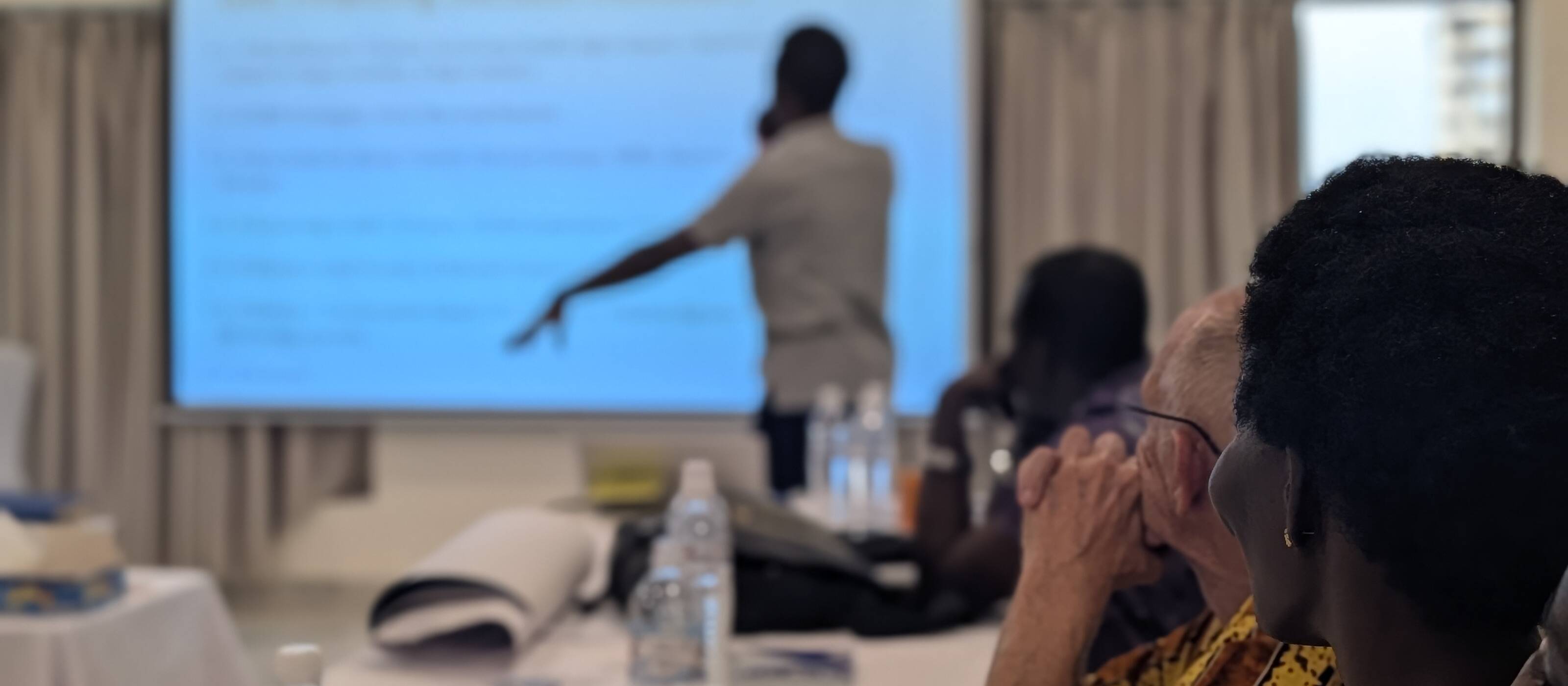
Header image: Emmanuel Ocen, SMAC+ Project Team Lead, delivering the final word and closing the training. © Caritas Switzerland in South Sudan