

Private Sector Engagement (PSE): Sustainable Development
Private sector actors bring resources, expertise, innovation, technology, networks and market access that can strengthen efforts to reduce poverty. Caritas Switzerland engages companies and business networks as strategic partners in international cooperation, combining their capabilities with our local presence, development expertise and trusted relationships. Through responsible collaboration, we seek solutions that create lasting value for people affected by poverty while also offering a clear and credible value proposition to private sector partners.
What is Private Sector Engagement?
Private Sector Engagement (PSE) is the deliberate collaboration between Caritas Switzerland and private sector actors to address social, economic and environmental challenges. The private sector may contribute funding, in-kind goods and services, technical expertise, innovation, staff time, business networks, market connections or investment. PSE differs from procuring goods and services and from private sector development, where businesses are primarily supported as project participants. In PSE, companies are active partners that help co-design, finance or implement solutions.
How does Caritas Switzerland engage the private sector?
Caritas Switzerland develops partnerships according to shared objectives, complementary strengths and the needs of project participants. Our approach includes:
- Co-designing initiatives with companies, local partners and communities.
- Mobilising financial, in-kind, technical and human resources.
- Combining private sector innovation and expertise with local knowledge and programme experience.
- Facilitating cooperation among businesses, public institutions and civil society.
- Building pathways to markets, employment, skills, finance and climate-friendly technologies.
- Using adaptive management to learn, adjust and strengthen partnerships over time.
What forms can private sector engagement take?
Engagement can range from targeted support to long-term co-creation. Depending on the partnership, Caritas Switzerland may work with companies through:
- Philanthropic engagement, including financial or in-kind contributions.
- Technical and resource partnerships that provide expertise, technology, services or employee engagement.
- Joint implementation or consortium partnerships built around complementary capabilities.
- Impact-driven engagement that combines social impact with sustainable business or investment models.
- Innovation and co-creation to develop, test and scale new solutions.
What does Caritas Switzerland bring to a partnership?
Caritas Switzerland offers a strong and trusted presence in its programme countries, deep knowledge of local contexts and vulnerable groups, experienced country offices and local partner networks, and technical expertise across income, climate and migration. We can connect companies with communities, market actors, public authorities and research institutions, facilitate responsible entry into complex or fragile contexts, and help design partnerships that are locally relevant, inclusive and measurable.
Caritas Switzerland's Approach to Business Partnerships
- Alignment with Caritas Switzerland’s mission, values and development objectives
- Co-creation based on complementary strengths and local knowledge
- Meaningful benefits and accountability to project participants
- Responsible risk management, due diligence and Do No Harm
- Transparency, measurable impact and continuous learning
- Sustainability, scalability and clear partnership or exit pathways
How does Caritas Switzerland ensure responsible engagement?
Potential partners and proposed collaborations are assessed through due diligence and contextual risk analysis. This includes reviewing ethical alignment, business conduct, reputation, financial and operational capacity, environmental and social performance, and potential risks for communities and Caritas Switzerland. Responsibilities, decision-making arrangements, impact indicators and exit strategies are agreed transparently, and partnerships are monitored and adapted throughout implementation.
Caritas Switzerland’s experience in practice
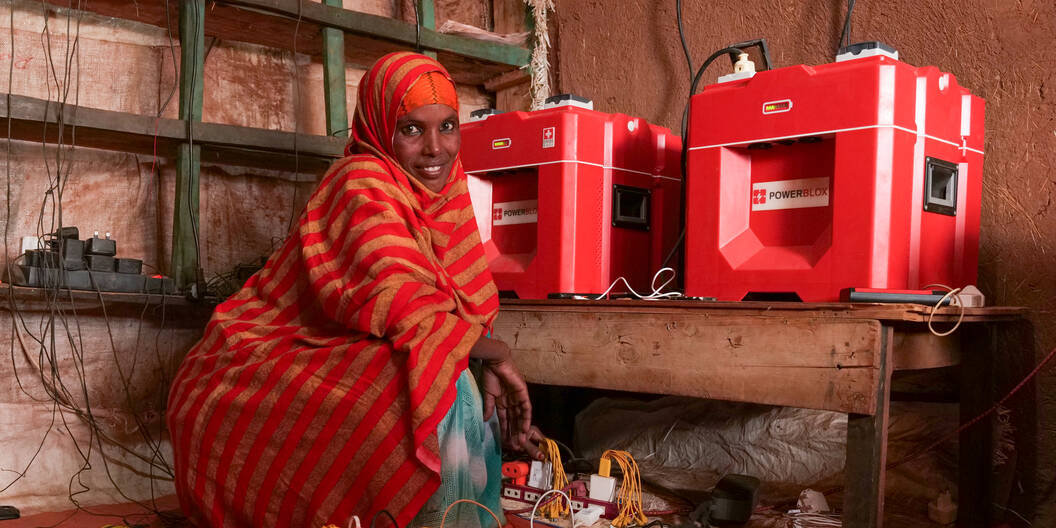
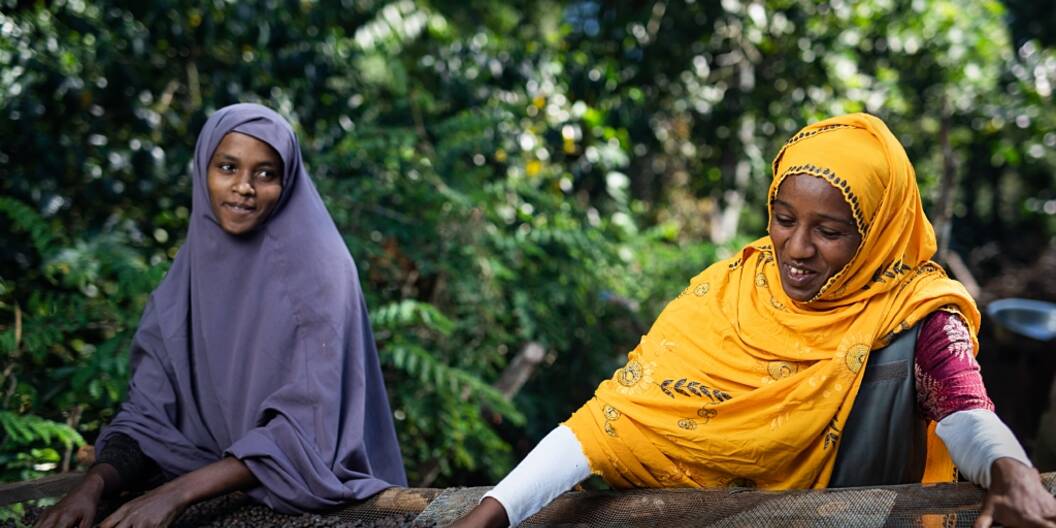
Caritas Switzerland has worked with private sector partners in Switzerland and programme countries for many years. In Ethiopia, the Energy for Rural Start-ups initiative with Power-Blox combined renewable-energy technology with Caritas Switzerland’s local networks and development expertise, installing 90 storable solar-energy units for small businesses, schools, health centres and cooperatives. The uniqueBean partnership with Thermoplan supports climate-resilient forest coffee, diversified livelihoods and training opportunities for young people. Caritas Switzerland also works with local companies and business associations to improve supply chains, skills, employment, financial services and access to markets.
How PSE Works in Practice

More Information and Resources on Private Sector Engagement (PSE)
Our PSE Experts
Sabine Schild
Senior Private Sector Engagement SpecialistCaritas SwitzerlandSwitzerland
Frequently Asked Quesstions (FAQ) about Private Sector Engagment
Companies can contribute funding, in-kind goods and services, technology, technical expertise, employee time, business networks, market access or investment, depending on the partnership.
No. Fundraising can be part of a partnership, but PSE also includes technical cooperation, joint implementation, innovation, co-creation and impact-oriented investment.
Caritas Switzerland assesses strategic fit, added value, ethical alignment, risks and expected benefits for project participants through a structured due diligence process.
Successful partnerships combine a shared purpose with complementary capabilities, clearly defined responsibilities and transparent communication. They create meaningful benefits for project participants, manage risks responsibly and use evidence and learning to improve implementation. They also establish realistic plans for sustainability, scale or a responsible exit.
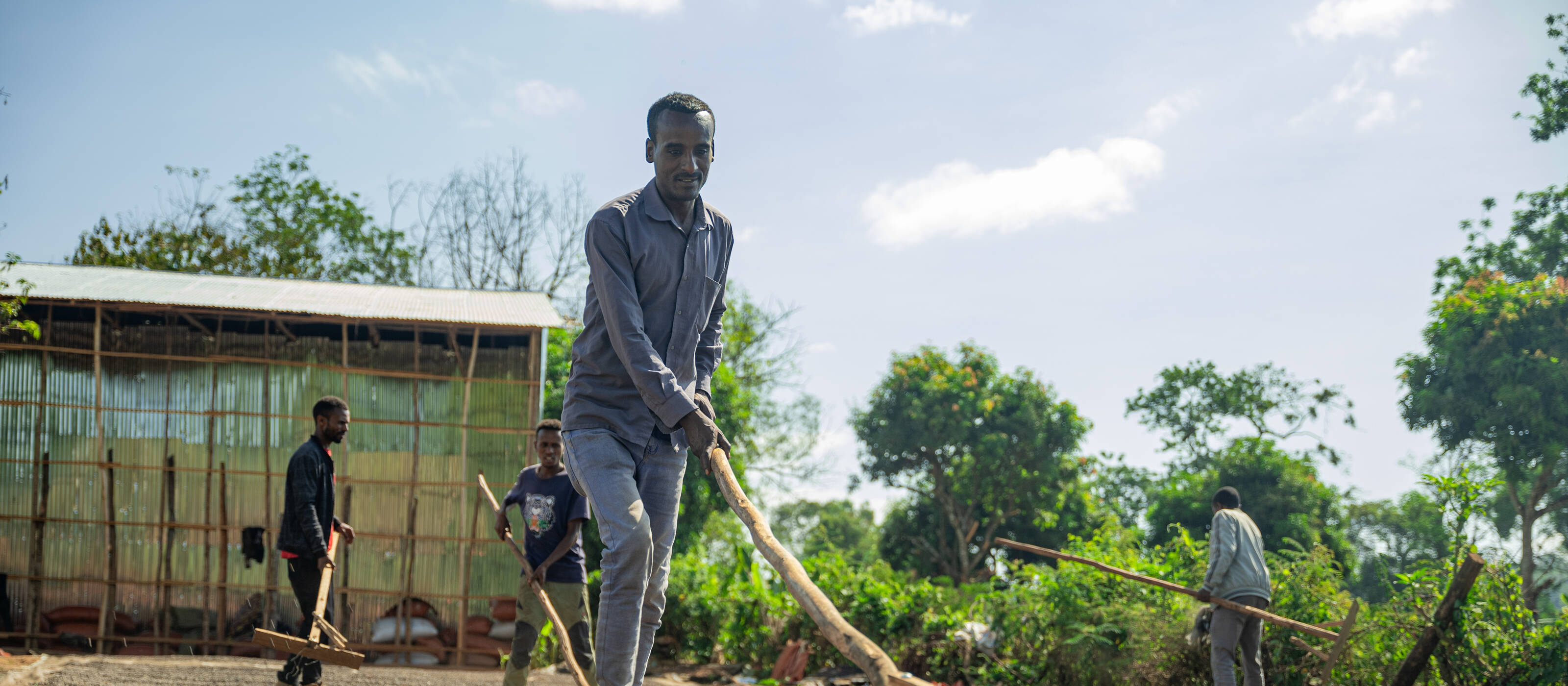
Header image: Through the «Beyond Bale Wild» project, we are fostering climate-resilient, inclusive, and sustainable livelihoods for smallholder farmers in Ethiopia’s Bale region. © Ayaana Publishing