

Integrity Management Toolbox: Building Stronger Irrigation Systems Management
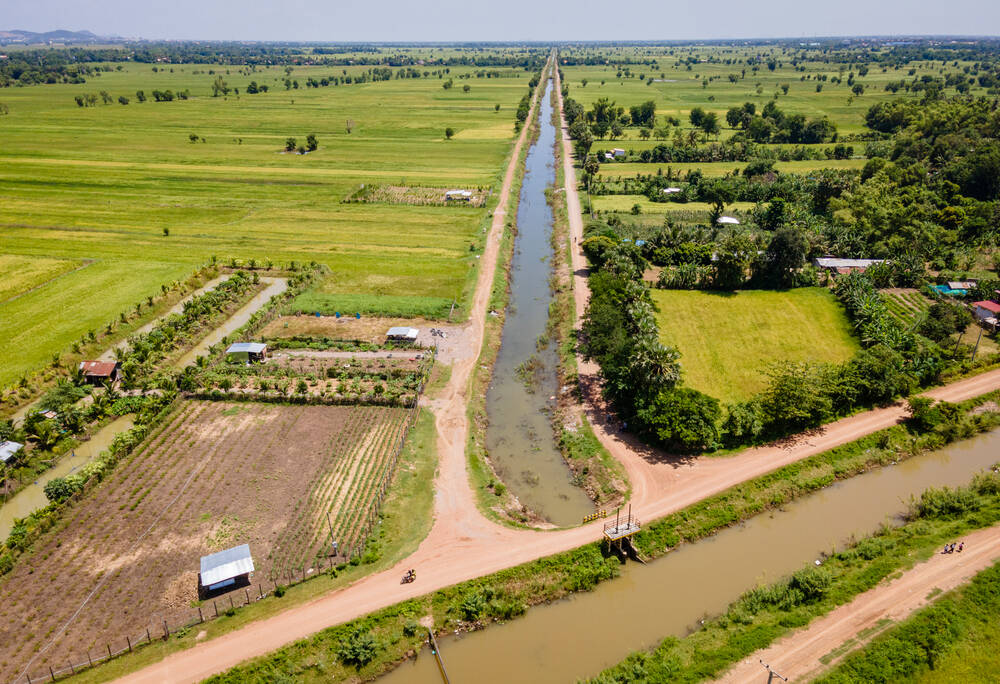
Across Cambodia, irrigation systems are essential for agricultural production and rural livelihoods. Yet many of the country's irrigation schemes, built decades ago, struggle with inadequate maintenance, limited funding, and weak management structures. At the same time, climate change is increasing pressure on water resources, making efficient and equitable irrigation management more important than ever.
To address these challenges, Caritas Switzerland has developed the Integrity Management (IM) Toolbox, a capacity building and governance tool enabling communities to improve irrigation services, facilitating transparency, accountability, and participation while building resilience to climate change.

What is the IM Toolbox?
The Integrity Management (IM) Toolbox is a participatory approach that helps communities improve how irrigation systems are governed and managed. Originally developed for rural water supply systems in Kenya and Ethiopia, the approach was adapted for irrigation management in Cambodia and further enhanced under the Nurture Project to support climate-resilient agriculture.
Integrity = Transparency + Accountability + Participation
When these three elements are strengthened, communities are better able to make informed decisions, manage resources fairly, and reduce governance challenges.
The Toolbox contains 31 practical tools that help communities address issues such as:
- Water allocation and distribution
- Operation and maintenance
- Financial management
- Stakeholder coordination
- Disaster risk reduction
- Community participation
Rather than imposing solutions, the IM Toolbox enables communities to identify their own challenges and choose the actions that best fit their needs.
How Does the IM Toolbox Work?
The IM Toolbox follows a three-step process:
Project coaches work closely with government partners and local stakeholders to select irrigation systems, engage communities, and prepare for implementation.
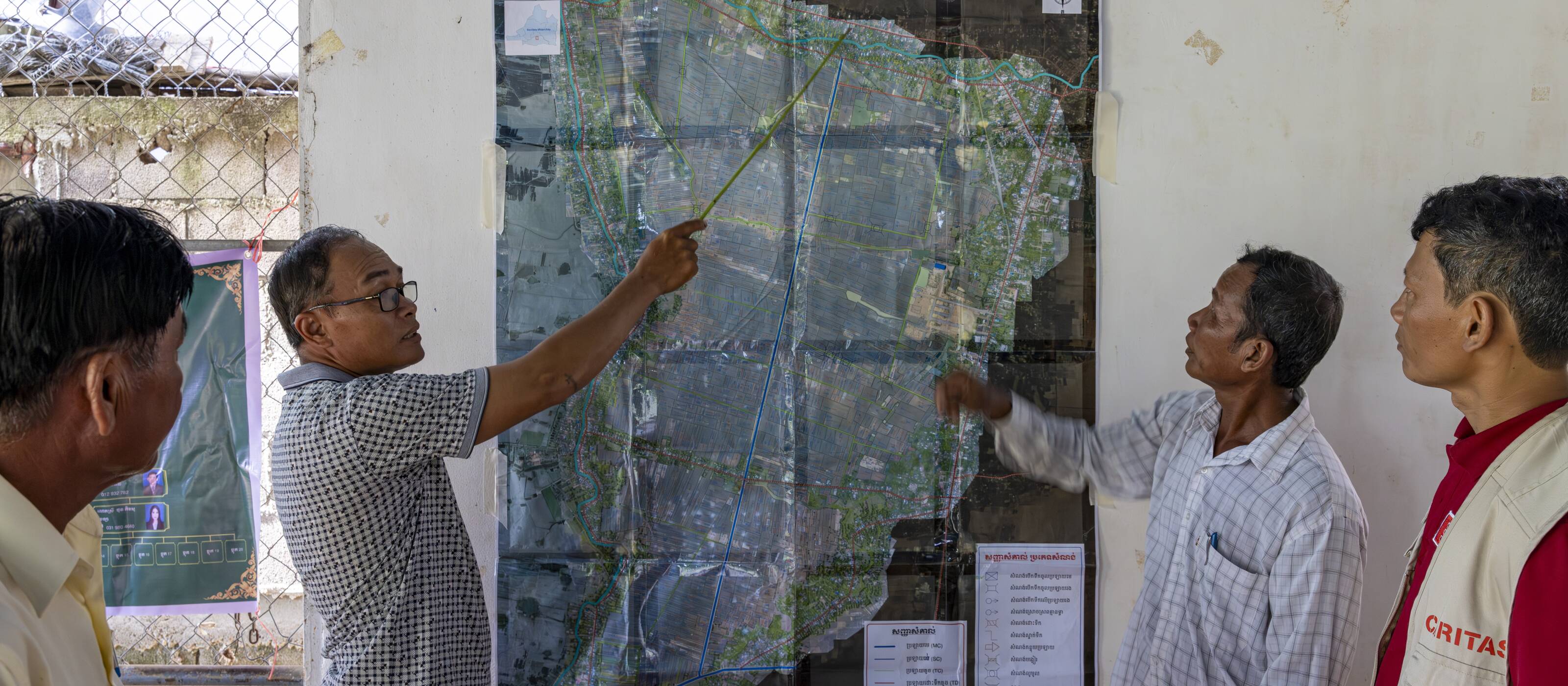
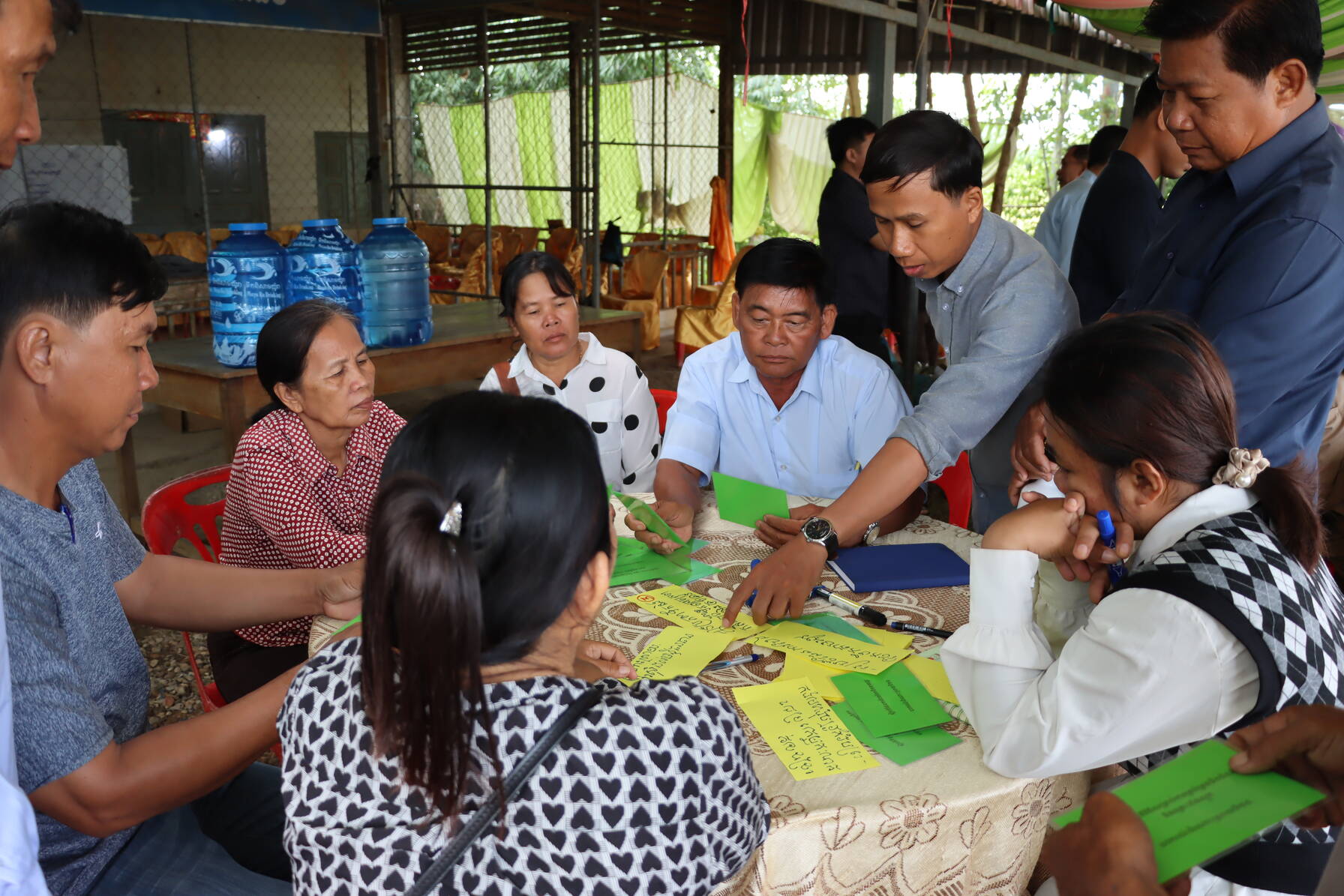
During a participatory two- to three-day workshop, communities: Map their irrigation system, analyse governance challenges, identify priority issues, select appropriate integrity tools, develop a Community Action Plan.
Over the following months, communities put the selected actions into practice with ongoing coaching, training, and progress reviews to monitor results and address new challenges.

Who Is Involved in the IM Toolbox Process?
The success of the IM Toolbox depends on strong collaboration between communities and public institutions. Key actors include:
- User representatives such as Farmer Water User Communities (FWUCs) leading implementation
- Provincial Departments of Water Resources and Meteorology (PDWRAM) providing technical support
- Provincial Departments of Agriculture, Forestry and Fisheries (PDAFF) promoting climate-resilient agriculture practices
- Project coaches facilitating the process
- Local authorities, farmer groups, agricultural cooperatives, and producer groups contributing to planning and decision-making
This inclusive approach strengthens ownership and ensures solutions are locally driven.
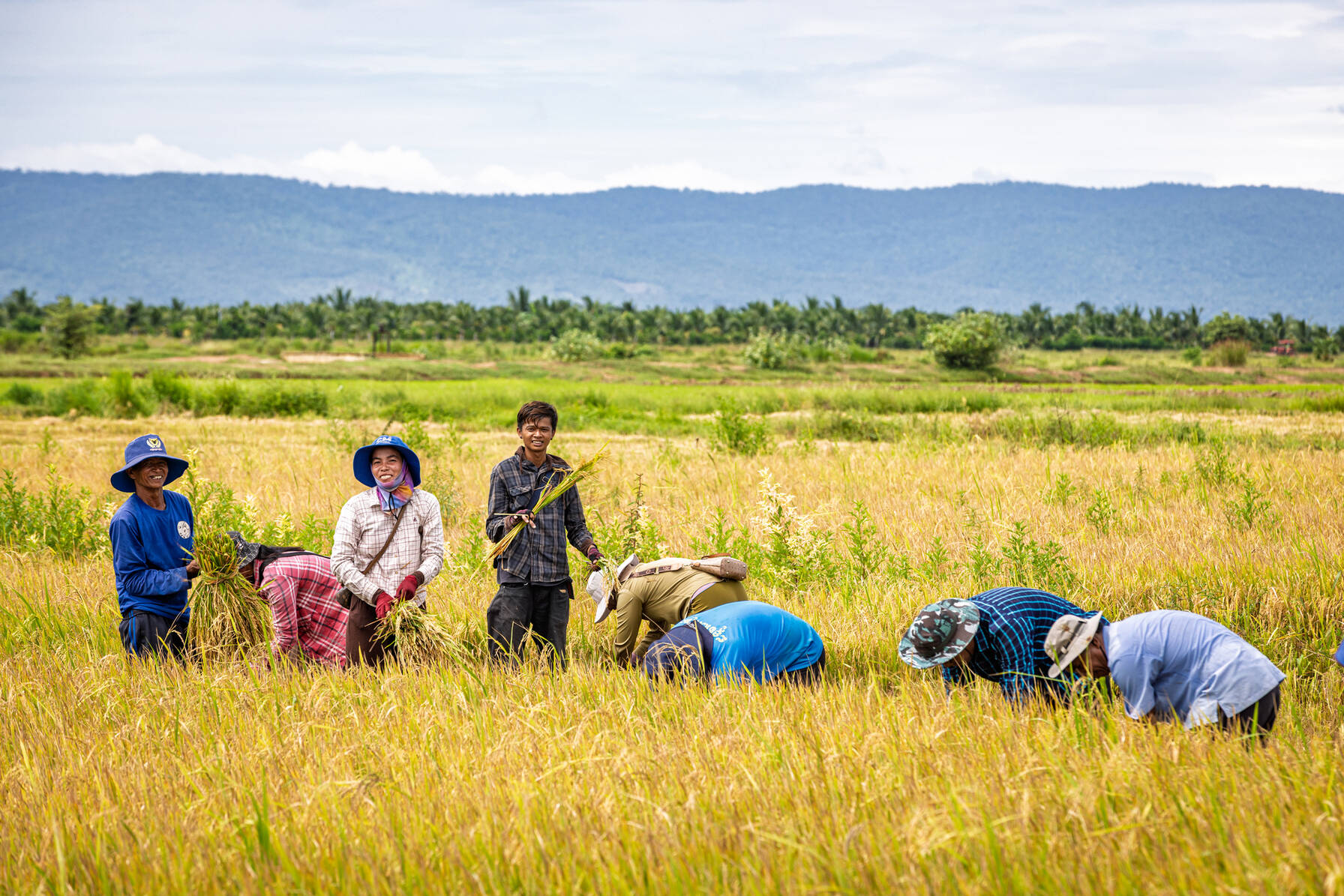
«The community confirmed that they now have enough water for irrigation and have increased yields and incomes compared to previous years.»O'Angkrong FWUC Case Study, Oddar Meanchey Province
What Makes the IM Toolbox Different?
Its key strengths include:
- Community-Led Solutions: communities analyze their own challenges and decide which actions to take.
- Continuous Coaching: ongoing mentoring and follow-up support help transform plans into lasting improvements.
- Rights-Based Approach
Moreover, the approach has been successfully applied in different contexts and irrigation systems across Cambodia. The flexibility of the tool is one of its key strengths. Depending on the context and management model, it can support different levels of stakeholder involvement and service delivery arrangements.
In community-managed systems, it can serve as a comprehensive self-governance and management framework, helping communities organize decision-making processes, operation and maintenance planning, financial management and conflict resolution. In systems involving private-sector participation, such as solar irrigation services, it can function as a governance and safeguard mechanism that ensures meaningful community participation, equitable access, transparency and accountability between service providers and users.
Beyond governance alone, the methodology provides a practical entry point for integrating climate resilience considerations into local water management systems. It can support communities and operators in assessing climate risks, introducing climate adaptation measures and climate smart argiculture practices, monitoring water security and ensuring that climate-resilient practices are embedded within management processes.
Importantly, it helps ensure that climate adaptation interventions remain grounded in fundamental preconditions for resilience, including equitable and reliable access to water resources.
Through the IM Toolbox, communities are improving irrigation governance, strengthening cooperation with government institutions, and adopting climate-resilient agricultural practices.
Ultimately, the goal is simple: reliable, equitable access to irrigation water that helps farming communities thrive in a changing climate.
IM Toolbox is implemented through the Nurture Project. Learn more:
More Information and Resources on IM Toolbox


Overview IM Toolbox
Integrity Management Toolbox for Irrigation Systems
Download (pdf, 4.44 MB)
Methodology Outline
Integrity Management Toolbox for Irrigation Systems
Download (pdf, 8.54 MB)
Guidelines for Coaches
Integrity Management Toolbox for Irrigation Systems
Download (pdf, 13.44 MB)Our Expert on IM Toolbox


Header image: Using the IM Toolbox, farmers in Cambodia are working with Caritas to find solutions for a fair water usage. © Nicolas Honoré