

Climate Proofing: Mainstreaming Climate Action for Poverty Reduction
Climate change is increasingly undermining development gains. Rising temperatures, changing rainfall patterns and more frequent extreme weather events threaten livelihoods, food security and economic opportunities, particularly for people living in poverty.
Sustainable poverty reduction is no longer possible without addressing climate risks. Whether supporting income generation, safe migration or conflict prevention, climate resilience must be integrated into project design and implementation. To achieve this, Caritas Switzerland developed Climate Proofing: a participatory and science-based approach that systematically integrates climate adaptation and mitigation into projects.
By combining data-based climate analysis with the knowledge and priorities of local communities, Climate Proofing helps people identify climate risks, develop locally appropriate solutions and take ownership of implementing them.
What is Climate Proofing?
Climate Proofing is Caritas Switzerland's approach to mainstreaming climate change across development and humanitarian programmes. It ensures that projects:
- Identify current and future climate risks.
- Integrate climate adaptation measures into project design.
- Consider greenhouse gas (GHG) impacts of project activities.
- Strengthen the resilience of vulnerable communities.
- Support sustainable, low-emission development pathways.
The approach combines climate science, participatory risk assessment and local knowledge to ensure that investments remain effective under changing climate conditions.
How does Caritas Switzerland apply Climate Proofing?
Climate Proofing is designed as a practical and flexible approach that can be integrated into different sectors and project types. It combines user-friendly tools with scientific evidence to help project teams and partners consider climate risks throughout the project activites.
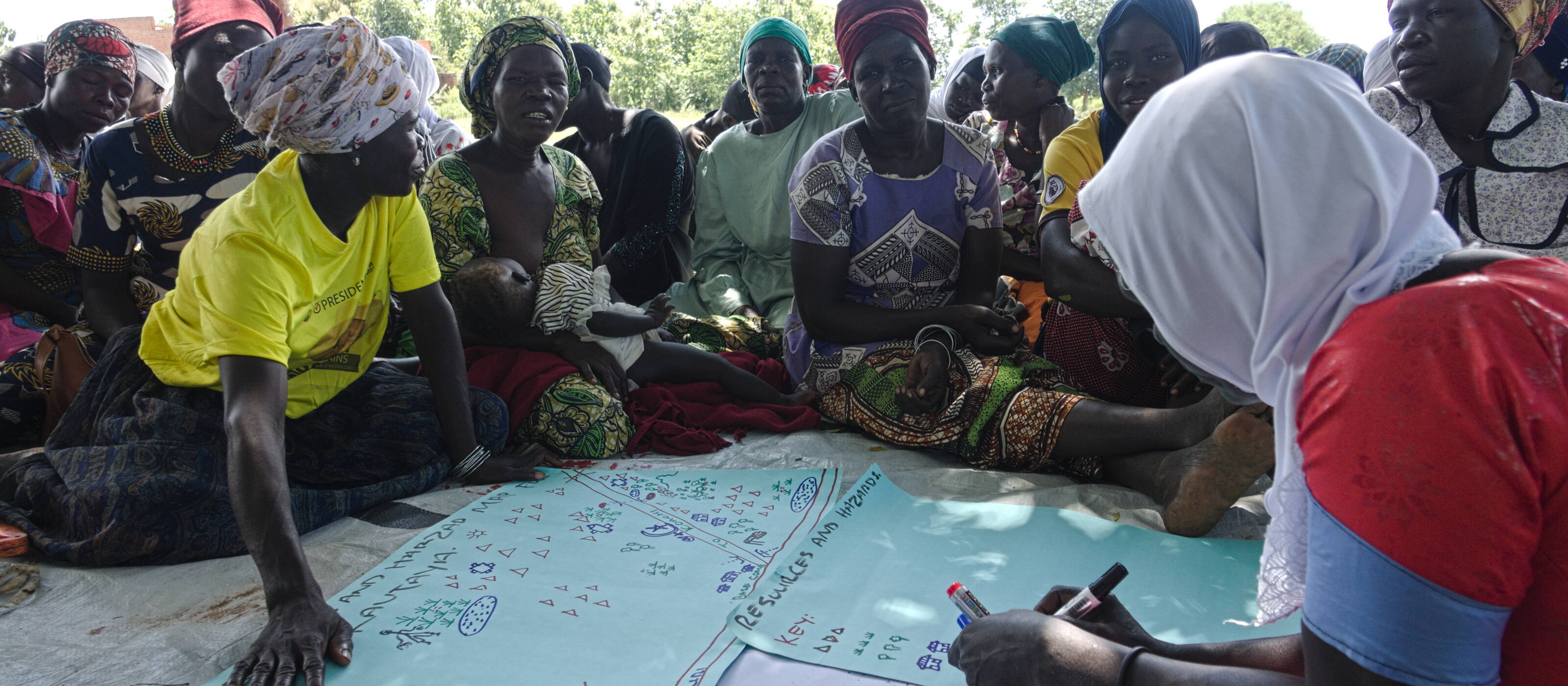
Where specialised expertise is needed, Caritas Switzerland collaborates with local technical organisations to strengthen climate analyses and adaptation planning. A key element of the approach is the active involvement of communities and value chain stakeholders through participatory workshops, where climate risks are jointly discussed, priorities are identified and adaptation measures are developed together.
Locally Led Climate Action: Why is local leadership essential for climate adaptation?
Communities experience the impacts of climate change first-hand and possess valuable knowledge about their environment, livelihoods and coping strategies.
Caritas Switzerland therefore places local actors at the centre of Climate Proofing. Communities, local organisations, producer groups and authorities actively participate in:
- Identifying climate risks and vulnerabilities.
- Prioritising adaptation needs.
- Designing practical adaptation measures.
- Implementing and maintaining solutions.
- Monitoring results and adapting actions over time.
Rather than introducing externally defined solutions, Climate Proofing strengthens local ownership so that adaptation measures remain relevant, effective and sustainable after projects end.
How does Climate Proofing strengthen livelihoods and market systems?
Climate risks affect not only households but also entire value chains. Declining agricultural productivity, water scarcity or extreme weather can reduce incomes, disrupt markets and increase migration pressures. Caritas Switzerland therefore integrates Climate Proofing into its Market Systems Development approach. Examples include:
- Promoting climate-resilient crops and production systems.
- Improving water and natural resource management.
- Diversifying livelihoods and income sources.
- Strengthening access to renewable energy and climate-friendly technologies.
- Promoting the creation of green jobs.
By making local economies more resilient, Climate Proofing contributes to long-term poverty reduction while reducing climate-related risks for businesses and communities alike.
The Climate Proofing Approach
Climate Proofing combines scientific evidence with locally led decision-making through five interconnected steps.
- Climate Risk Assessment: Analyse climate data, projections and landscape-specific risks.
- Participatory Risk Assessment: Communities and stakeholders jointly identify priorities and select adaptation measures.
- Adaptation Planning: Develop concrete implementation plans with clearly defined responsibilities.
- Implementation and Monitoring: Implement adaptation measures and assess their effectiveness.
- Learning and Knowledge Sharing: Document lessons learned, improve future programming and share good practices.
Further Information and Resources on Climate Proofing
Our Climate Proofing Experts


Header image: Resource and hazard mapping at a refugee community in Yumbe, Uganda. © Maria Claudelin